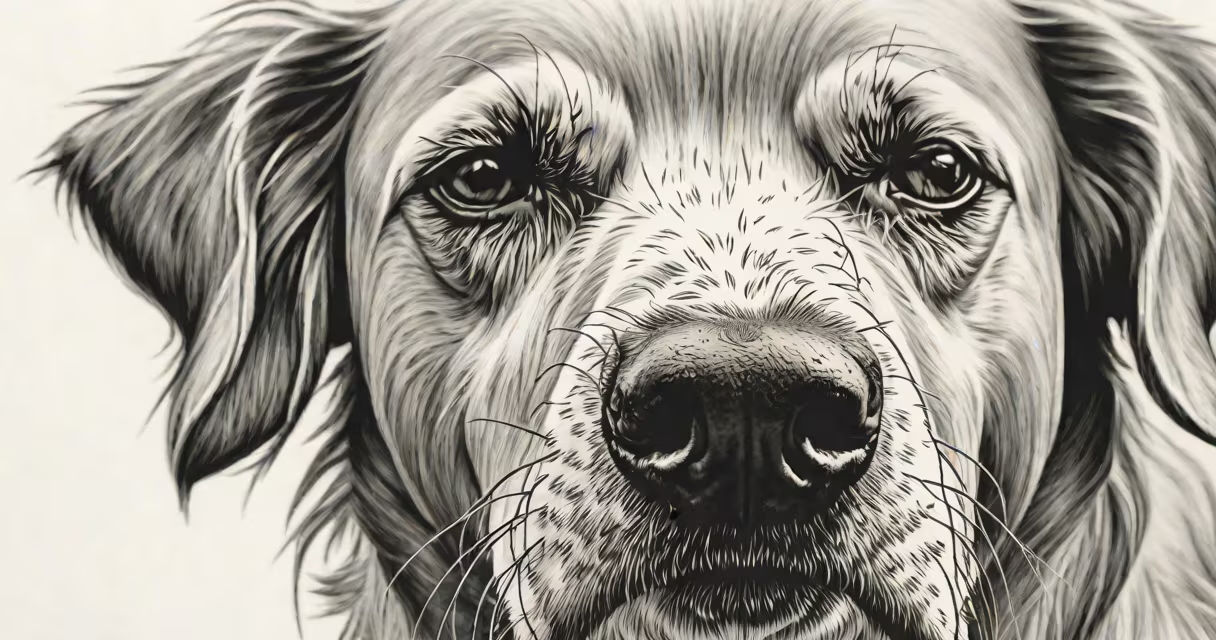
My dogs scratching and losing hair describes a common clinical presentation in canines involving excessive itching and patchy or generalized hair loss, often indicating underlying skin disease, allergic reaction, or systemic illness. This condition affects dogs of all breeds and ages but requires prompt evaluation to identify the root cause.
Dogs scratch due to irritation from allergens, parasites, infections, or internal disorders. Hair loss follows when constant scratching damages follicles or when inflammation disrupts the normal hair growth cycle. The pattern-localized or widespread-helps narrow down potential triggers. For example, ear scratching and head shaking often point to ear mites or food allergies, while symmetrical hair loss on the trunk suggests hypothyroidism or Cushing's disease.
Common causes include flea allergy dermatitis, environmental allergies (atopy), food sensitivities, bacterial or fungal infections (like Malassezia), and endocrine disorders. A 2022 study published in the Journal of Veterinary Dermatology found that 60% of dogs presenting with pruritus (itching) had allergic etiologies, with food and inhalant allergies being the most frequent.
When a dog experiences an irritant-such as a flea bite or pollen grain-it triggers immune cells in the skin to release histamine. Histamine causes inflammation and intense itching. The dog scratches, licks, or bites the area, damaging the epidermis and weakening the skin barrier. Repeated trauma leads to secondary infections and follicular damage, resulting in hair loss.
This cycle is self-perpetuating. Scratching introduces bacteria or yeast into broken skin, worsening inflammation. Over time, hair follicles enter a resting phase (telogen) prematurely, leading to thinning or bald patches. A dog that scratches one spot daily for two weeks may develop a raw, red lesion with no hair, even if the original trigger was minor.
For example, a 3-year-old Labrador Retriever presented with hair loss along the back legs and tail base. The owner reported the dog had been licking the area for three weeks. A skin scrape revealed Demodex mites. After treatment with amitraz dips and antibiotics, hair regrew within six weeks. Without intervention, the condition worsened into generalized demodicosis.
Hair loss patterns help differentiate between conditions. Not all hair loss is due to scratching, but when both symptoms coexist, they signal a primary skin issue.
| Type | Pattern | Common Causes | Diagnostic Clue |
|---|---|---|---|
| Localized | Single patch, often on ears, face, or limbs | Flea allergy, localized infection, autoimmune disorder | Redness, crusting, or scaling around the site |
| Symmetrical | Even hair loss on both sides of body, especially abdomen and inner thighs | Hypothyroidism, Cushing's disease, adrenal insufficiency | Often accompanied by lethargy, weight gain, or increased thirst |
| Diffuse | Generalized thinning across the entire body | Systemic illness, malnutrition, stress-induced alopecia | May occur after surgery or sudden environmental change |
One non-obvious distinction: hair loss from stress or anxiety typically appears as diffuse thinning, not in patches. Dogs under prolonged stress may groom excessively, leading to hair loss on the belly or paws-similar to obsessive-compulsive behaviors seen in humans. This differs from allergic reactions, which usually affect areas with high nerve density like the ears and face.
Environmental factors play a major role. Seasonal changes bring higher pollen counts, increasing risk for atopy. Indoor allergens like dust mites or mold spores can cause year-round itching. A 2021 study in Veterinary Dermatology noted that 45% of dogs with chronic pruritus showed positive results on intradermal allergy testing during spring and fall.
Parasites remain a frequent culprit. Fleas are responsible for 80% of flea allergy dermatitis cases, even in dogs with few visible fleas. A single flea bite can trigger a severe allergic response. Mange mites (Sarcoptes scabiei) cause intense itching and crusted lesions, particularly around the ears and elbows.
Food allergies account for about 10-15% of cases. Common triggers include beef, chicken, dairy, and wheat. A controlled elimination diet lasting 8-12 weeks is the gold standard for diagnosis. During this period, the dog eats only novel proteins (e.g., venison and potato) to isolate the offending ingredient.
I once observed a 5-year-old Shih Tzu with persistent scratching and hair loss on the hind legs. The owner had tried over-the-counter antihistamines with no improvement. A food trial revealed that lamb caused flare-ups. Switching to a hydrolyzed protein diet resolved the symptoms in four weeks.
My dogs scratching and losing hair is often mistaken for seasonal shedding or normal grooming behavior. However, shedding is evenly distributed and occurs in predictable cycles (spring and fall). True pathological hair loss is irregular, accompanied by redness, odor, or skin thickening.
Another confusion: owners assume hair loss equals aging. While older dogs may thin out, sudden onset in a young dog signals illness. A 2-year-old Poodle losing hair on the back with no other symptoms likely has a hormonal imbalance, not old age.
Some mistake ringworm (dermatophytosis) for flea infestation. Ringworm causes circular, scaly patches with hair loss, but no itching. It's contagious to humans and requires antifungal treatment. A Wood's lamp test or fungal culture confirms the diagnosis.
Any dog showing persistent scratching or hair loss beyond a week should be evaluated. Red flags include open sores, foul-smelling discharge, fever, or weight loss. These indicate secondary infection or systemic disease.
Veterinarians begin with a physical exam, skin scrapings, and cytology. If needed, blood tests assess thyroid function, cortisol levels, or liver enzymes. Allergy testing may follow if no clear cause emerges.
If your dog's condition doesn't improve after a week of antipruritic medication, consult a veterinarian. Delaying care risks permanent hair loss or chronic pain. Early diagnosis prevents complications and improves quality of life.