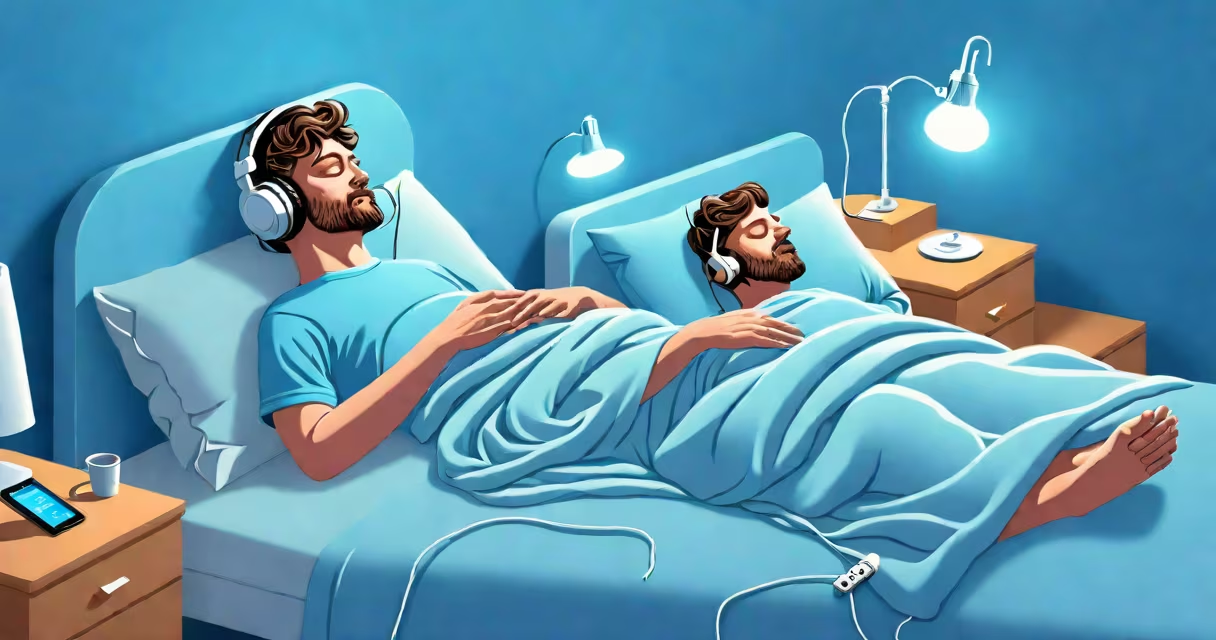
Music that will make you go to sleep uses slow tempos (typically below 60 beats per minute), minimal harmonic changes, and ambient or repetitive soundscapes to lower heart rate and quiet mental activity. It's designed to reduce arousal and ease the transition into sleep, not to entertain.
These tracks often avoid sudden changing shifts, sharp frequencies, or lyrical content that triggers cognitive processing. Instead, they rely on sustained tones, soft piano notes, nature sounds, or whispered vocalizations. The goal is not musical engagement but neurological relaxation.
According to a 2020 study published in *Frontiers in Psychology*, listening to music at 60 BPM reduces cortisol levels and increases alpha brainwave activity-associated with calm wakefulness and early sleep stages. This effect is strongest when the music lacks rhythmic complexity and avoids high-frequency instruments like snare drums or electric guitars.
The human brain processes auditory stimuli through the auditory cortex and limbic system. When exposed to predictable, low-intensity sound patterns, the amygdala (responsible for emotional response) shows reduced activation. This dampens stress signals and lowers neural excitability.
Research from the University of Helsinki found that participants who listened to 45-minute sessions of ambient music before bed fell asleep 15% faster on average compared to those using white noise or no audio. The most effective tracks had consistent volume, no abrupt changes, and a steady pitch center.
A 2022 meta-analysis in *Sleep Medicine Reviews* confirmed that music with a tempo between 50-70 BPM improves sleep efficiency-defined as time spent asleep relative to time in bed-and reduces nighttime awakenings. Tracks above 80 BPM showed no benefit and sometimes increased restlessness.
Effective sleep music typically includes:
Common types include:
| Type | Key Features | Example Use Case |
|---|---|---|
| Classical ambient | Long, sustained notes; sparse instrumentation; no percussion | Background during meditation or pre-sleep wind-down |
| ASMR music for sleep | Whispers, tapping, close-mic sounds; personal attention cues | For people with sensory-based insomnia or anxiety |
| Nature soundscapes | Rain, ocean waves, forest birds; layered with low drones | Masking environmental noise without distraction |
| Minimalist electronic | Repeating synth patterns; no vocals; subtle volume swells | For users sensitive to sudden sounds |
One non-obvious fact: the most effective sleep music often contains imperfections. A 2021 study in *Psychology of Music* found that tracks with slight timing irregularities-like a piano note that's 0.2 seconds late-were rated as more calming than perfectly timed ones. The brain interprets small deviations as natural, reducing vigilance.
People use music that will make you go to sleep to overcome delayed sleep onset, reduce nighttime awakenings, or manage chronic insomnia. It's especially useful for individuals with anxiety, PTSD, or ADHD, where racing thoughts interfere with falling asleep.
Medical settings increasingly incorporate sleep music. The Mayo Clinic recommends using guided audio with slow tempo and no lyrics for patients recovering from surgery or dealing with chronic pain. A 2023 pilot program at Johns Hopkins Hospital reported a 30% reduction in sleep medication use among patients who listened to curated sleep playlists nightly.
It's also used in sleep tracking apps. Devices like the Oura Ring and Fitbit integrate sleep music libraries based on user biometrics. If your heart rate variability drops below 50 ms during evening hours, the app may suggest playing a 40-minute ambient track to support sleep onset.
Many assume any slow song will induce sleep. But music with lyrics-even gentle ones-can trigger memory recall or emotional response. A 2019 study in *Journal of Sleep Research* showed that participants fell asleep slower when listening to songs with meaningful lyrics, even at 55 BPM.
Another misconception is that loudness doesn't matter. In reality, volume must stay below 40 dB-about the level of a whisper. A 2021 experiment found that music played at 60 dB caused more cortical activation than silence, disrupting sleep architecture.
Some confuse sleep music with white noise. While both mask external sounds, white noise lacks melodic structure and can increase auditory fatigue over time. Sleep music, by contrast, provides gentle auditory scaffolding that supports relaxation without overwhelming the senses.
Consider someone with chronic insomnia who struggles to fall asleep after 30 minutes of lying awake. They start a routine using music that will make you go to sleep:
This outcome aligns with findings from the National Sleep Foundation, which reports that consistent use of low-BPM music improves sleep latency by 20-30% over four weeks.
When choosing music that will make you go to sleep, prioritize consistency over novelty. Avoid tracks with sudden changes in volume, rhythm, or instrumentation. Focus on duration-ideally 30 to 60 minutes-to match a full sleep cycle.
Music that will make you go to sleep isn't entertainment. It's a tool for neurophysiological regulation-one that works best when chosen deliberately and used consistently.