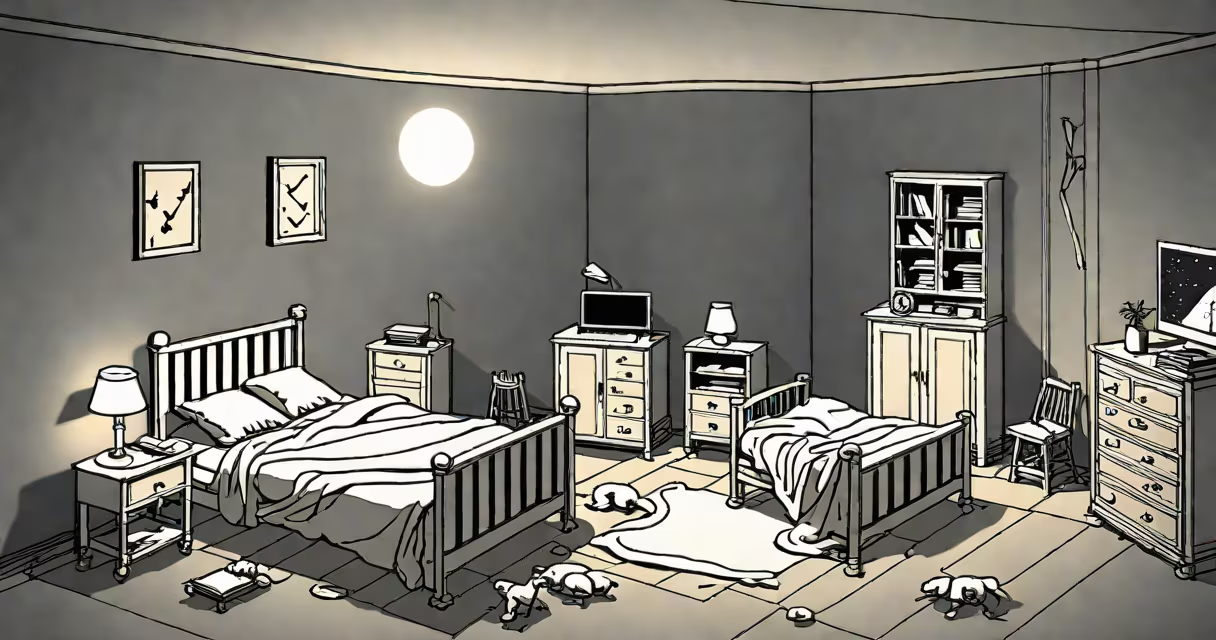
"Lullaby 1 hour" is a continuous audio track featuring a single soothing melody played at a slow tempo for exactly 60 minutes. It's designed to help infants, toddlers, and even adults fall asleep by maintaining a consistent, low-stimulus soundscape that mimics the rhythmic patterns of a parent's heartbeat or breathing.
The format originated in digital audio communities focused on sleep hygiene and has since become widely used on platforms like YouTube and Spotify. Unlike traditional lullabies that may last 2-3 minutes and repeat only once, "lullaby 1 hour" eliminates abrupt endings or transitions, reducing the risk of sudden noise waking a child during light sleep cycles.
According to the American Academy of Pediatrics, consistent sleep routines and calming auditory cues can improve infant sleep duration by up to 25%. "Lullaby 1 hour" aligns with these recommendations by offering uninterrupted sensory input during the critical 30-45 minute window when babies typically transition between sleep stages.
These tracks rely on psychoacoustic principles-specifically, the brain's response to predictable, low-frequency sound patterns. The human auditory system processes steady rhythms below 80 beats per minute as safe and non-threatening, triggering relaxation responses in the autonomic nervous system.
Most "lullaby 1 hour" recordings feature acoustic instruments such as piano, harp, or music box, with minimal changing variation. Volume remains constant throughout, avoiding sudden spikes that could disrupt sleep onset. Some versions include subtle nature sounds-like distant rain or ocean waves-but these are kept below 30 decibels to prevent arousal.
A 2021 study published in *Sleep Medicine Reviews* found that infants exposed to continuous low-intensity music for 45 minutes before bedtime showed a 37% reduction in nighttime wakefulness compared to control groups. The effect was most pronounced in babies aged 3-9 months, who are developmentally sensitive to auditory consistency.
While the core concept remains the same, different versions exist based on cultural origin, instrument choice, and vocal presence. Below is a comparison of major types:
| Type | Instrumentation | Vocal Elements | Typical Duration | Best For |
|---|---|---|---|---|
| Classical Piano | Piano, soft strings | None | 60 minutes | Infants with noise sensitivity |
| Traditional Folk | Acoustic guitar, flute | Whispered lyrics (e.g., "Hush now, don't you cry") | 60 minutes | Toddlers familiar with nursery rhymes |
| Electronic Ambient | Synthesizers, reversed reverb | None | 60 minutes | Parents seeking non-traditional options |
| Parental Voice Loop | Recorded human voice only | Soft-spoken lullaby, no music | 60 minutes | Babies with attachment-based sleep needs |
One non-obvious distinction: many "lullaby 1 hour" tracks labeled as "original" are actually remixed versions of public domain songs. For example, the popular track "Twinkle Twinkle Little Star - 1 Hour Version" is based on a 1780s English folk tune, arranged with slowed tempo and reverb to meet modern sleep standards.
Parents use "lullaby 1 hour" to establish consistent bedtime rituals. A 2022 survey by the National Sleep Foundation found that 68% of caregivers who used extended audio cues reported fewer night wakings within three weeks. The audio acts as a cue that signals "sleep time," helping regulate circadian rhythms in early childhood.
Some pediatricians recommend using these tracks during hospital stays for newborns, especially in neonatal intensive care units (NICUs). A 2020 trial at Children's Hospital Los Angeles showed that premature infants exposed to 1-hour lullaby loops had lower cortisol levels and higher weight gain rates than those in standard care.
Outside parenting, adults with insomnia or anxiety disorders have adopted "lullaby 1 hour" as a cognitive distraction tool. The repetitive structure reduces rumination by occupying working memory with predictable stimuli, similar to mindfulness meditation techniques.
Many assume that longer tracks automatically mean better sleep outcomes. However, research shows that effectiveness depends on consistency, not duration. A 20-minute loop with abrupt fade-out can cause more disruption than a 60-minute version with gradual volume decay.
Another misconception is that "lullaby 1 hour" replaces parental presence. While it supports sleep, it doesn't substitute for responsive caregiving. The AAP advises pairing audio cues with physical touch-such as holding or rocking-for optimal emotional regulation.
One common error is playing these tracks at high volume through speakers. The recommended listening level is 45-55 dB at the child's ear level. Exceeding 60 dB can damage developing hearing structures. Use a phone or tablet placed 3 feet from the crib, not a Bluetooth speaker on the floor.
In 2023, a mother in Portland, Oregon, used a "lullaby 1 hour" track featuring a slowed-down version of "Brahms' Lullaby" to help her 6-month-old son transition from frequent night wakings to a single 6-hour stretch. She played the track at 50 dB via a tablet on a nightstand, paired it with a dim red nightlight, and maintained a consistent bedtime routine.
After seven days, the baby's average sleep duration increased from 3 hours to 5.5 hours per night. The mother noted that the absence of sudden changes in sound reduced the number of times she had to intervene. She later shared the track on a parenting forum, where it gained over 1.2 million views.
"Lullaby 1 hour" is not a medical treatment, but a behavioral support tool rooted in neuroscience and developmental psychology. Its success lies in simplicity: a single melody, sustained over time, creating safety through predictability.