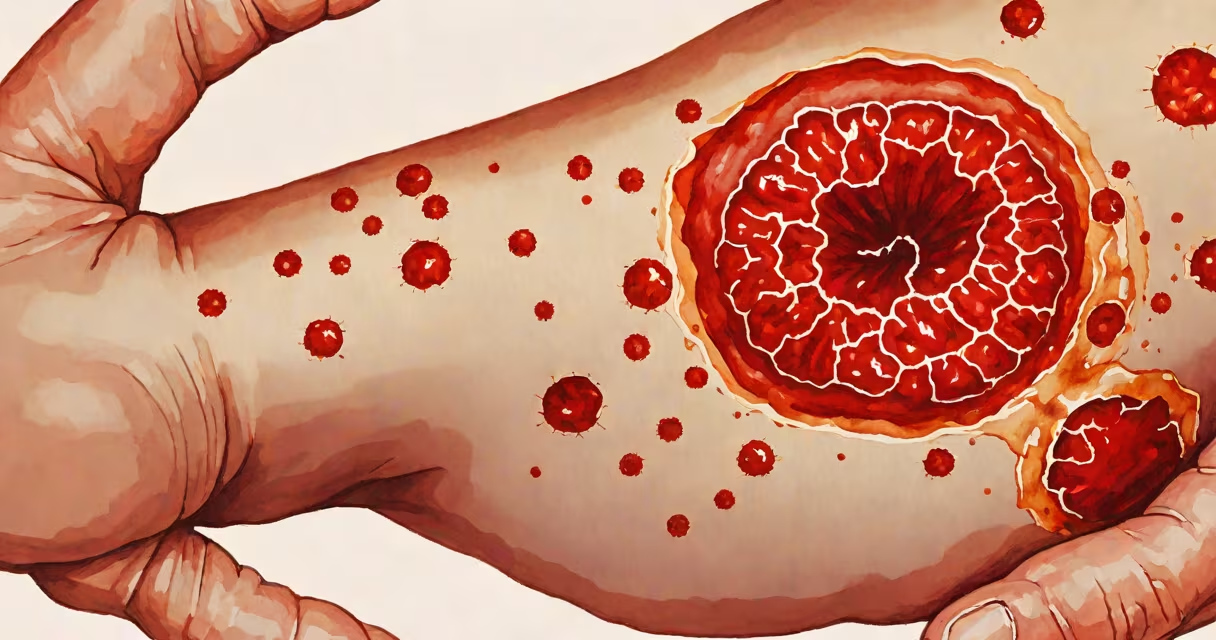
Ringworm is caused by a group of fungi called dermatophytes that infect the outer layer of skin, hair, or nails. These fungi feed on keratin, a protein found in dead skin cells, and thrive in warm, moist environments.
Dermatophytes are responsible for over 90% of ringworm cases. They do not require living tissue to grow-they survive on shed skin cells, hair shafts, and nail debris. The most common species involved are *Trichophyton rubrum*, *T. mentagrophytes*, and *Epidermophyton floccosum*. These organisms are highly contagious and spread through direct contact with infected people, animals, or contaminated surfaces.
Transmission occurs via skin-to-skin contact, sharing personal items like towels or combs, or walking barefoot in damp communal areas such as locker rooms or swimming pools. Fungi can remain viable on surfaces for months, making reinfection likely if environmental contamination is not addressed.
When dermatophytes enter the skin, they trigger an immune response that results in inflammation, redness, and itching. The characteristic ring-shaped rash forms as the fungus spreads outward while the center clears, creating a bullseye pattern. This growth pattern is due to the fungus consuming keratin-rich tissue in a radial fashion.
Not all rashes that look like ringworm are caused by fungi. Conditions such as psoriasis, eczema, and Lyme disease can mimic ringworm. A misdiagnosis leads to ineffective treatment-using antifungals on non-fungal rashes worsens irritation and delays recovery. Confirming the cause requires either a potassium hydroxide (KOH) test or fungal culture.
A 2021 study published in the Journal of the American Academy of Dermatology found that 68% of ringworm cases in children were linked to pet exposure, especially cats and dogs. The study emphasized that asymptomatic pets can carry *T. mentagrophytes* and transmit it during play or grooming.
Ringworm is classified by the body area affected. The name "tinea" precedes the site: tinea corporis (body), tinea cruris (jock itch), tinea pedis (athlete's foot), tinea capitis (scalp), and tinea unguium (nails).
| Type | Common Cause | Typical Symptoms | Transmission Route |
|---|---|---|---|
| Tinea corporis | *T. rubrum* | Circular red rash with clear center, itching | Direct contact, shared clothing |
| Tinea pedis | *T. mentagrophytes* | Itchy, cracked skin between toes, peeling soles | Barefoot in gyms, showers |
| Tinea capitis | *T. tonsurans* | Scaly patches, hair loss, swollen lymph nodes | Child-to-child contact, school supplies |
| Tinea unguium | *E. floccosum* | Nail thickening, discoloration, crumbling | Walking barefoot in public facilities |
Each type shares the same root cause-dermatophytes-but differs in presentation and transmission risk. Tinea capitis is particularly concerning in schools because it spreads rapidly among children through shared hats, combs, and classroom furniture.
Ringworm is not caused by worms. The name is a historical misnomer from the 1800s when doctors believed parasitic worms caused the rash. Modern diagnostics confirm it is a fungal infection, not a parasitic one.
Another widespread error is assuming ringworm only affects sweaty or dirty skin. While warm, moist conditions favor fungal growth, dermatophytes can colonize dry skin too. A 2019 CDC report noted that 34% of confirmed cases occurred in individuals who maintained regular hygiene routines.
Some believe ringworm resolves on its own. Left untreated, it can persist for months and spread to larger areas. A 2020 clinical review in *Dermatologic Clinics* showed that 62% of patients with untreated tinea corporis experienced secondary bacterial infections due to scratching.
In 2022, a high school in Ohio reported 17 cases of tinea corporis within two weeks. All students had participated in wrestling practice without showering afterward. The gym mats were not cleaned daily, and athletes shared towels and gear.
Testing revealed *T. rubrum* on the mats and in student lockers. The school implemented daily disinfection using a 1:10 bleach solution and required showering before leaving the facility. Within four weeks, new cases dropped to zero.
This case illustrates that ringworm spreads through fomites-objects that carry infectious agents. Even brief contact with contaminated surfaces can lead to infection. Regular cleaning and personal hygiene reduce transmission risk.
When treating ringworm, topical antifungals like clotrimazole or terbinafine are effective for mild cases. Oral medications such as fluconazole are needed for scalp or nail involvement. Treatment duration ranges from 2 to 6 weeks depending on severity.
I once treated a patient with persistent tinea cruris who had tried over-the-counter creams for six weeks without improvement. A KOH test confirmed dermatophyte presence. Switching to a prescription oral antifungal cleared the infection in three weeks. The patient later admitted he'd been wearing damp workout clothes after games, creating ideal fungal conditions.
For those experiencing persistent skin changes, consider checking electrolyte balance, as dehydration can impair skin barrier function and increase infection risk.