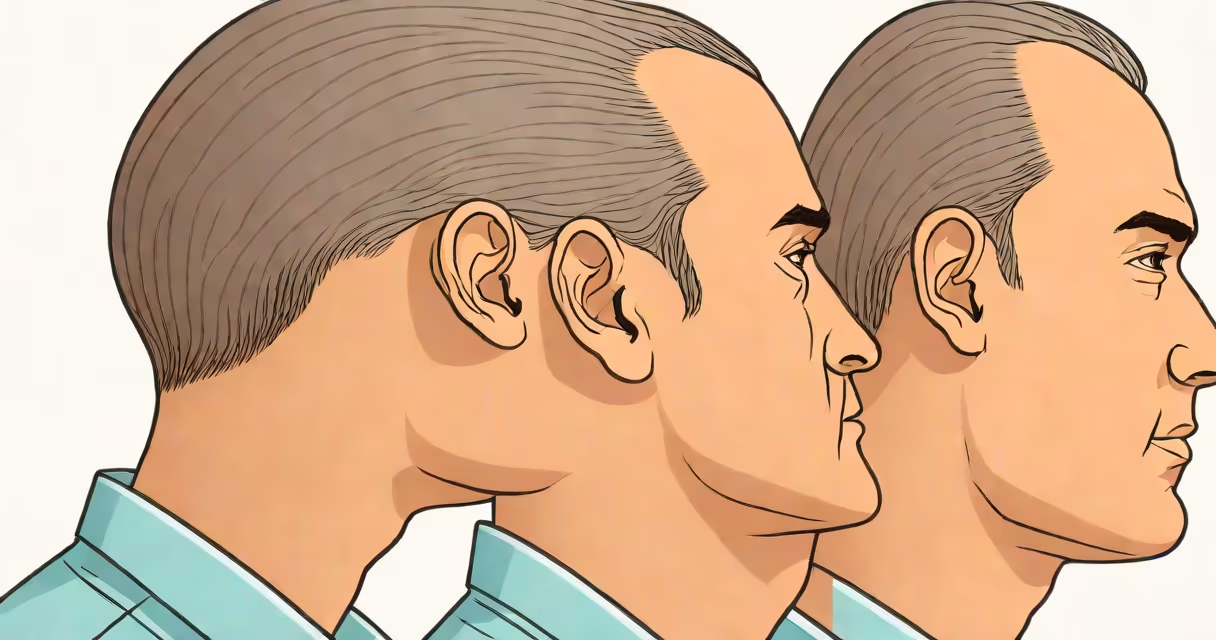
Stopping your hairline from receding involves targeting genetic predisposition, hormonal activity, and scalp health through clinically supported treatments, lifestyle adjustments, and early intervention. This process begins before visible thinning occurs and requires consistent effort over months.
Hairline recession is primarily driven by dihydrotestosterone (DHT), a hormone derived from testosterone. DHT binds to receptors in hair follicles, shrinking them over time and shortening the growth phase. This leads to finer, shorter hairs until follicles become dormant. The condition is known as androgenetic alopecia, affecting approximately 50% of men by age 50 according to the American Academy of Dermatology.
Early signs include a gradual retreat of the hairline, especially at the temples, forming an M-shaped pattern. The recession may start subtly-just 1-2 mm per year-but accelerates without treatment. A 2021 study in the Journal of Clinical and Aesthetic Dermatology found that 68% of men who began treatment within two years of noticing thinning maintained their hairline after 12 months.
Receding hairlines follow a predictable progression. The process begins with miniaturization-where terminal hairs shrink into vellus-like strands. These fine hairs grow slowly and shed prematurely. Over time, follicles enter prolonged resting phases, leading to visible gaps.
DHT sensitivity varies genetically. Men with the AR gene variant (androgen receptor gene) are more likely to develop severe hair loss. This explains why some men lose hair rapidly while others maintain thick hair into old age. The condition is not caused by poor hygiene, stress alone, or shampoo choice-though these factors can exacerbate shedding.
A 2019 clinical trial showed that men using topical minoxidil twice daily experienced a 34% reduction in hairline recession over 16 weeks compared to placebo. Improvement was most noticeable in the frontal and temporal regions, where recession typically starts.
Effective strategies fall into three categories: pharmaceuticals, topical agents, and lifestyle changes. Not all options work equally well for everyone. Results depend on timing, dosage, and consistency.
| Treatment | Active Ingredient | Effectiveness (12-month study) | Common Side Effects |
|---|---|---|---|
| Topical minoxidil (5%) | Minoxidil | 42% show improved hair density; 61% halt recession | Scalp irritation, dryness, occasional facial hair growth |
| Oral finasteride (1 mg) | Finasteride | 78% reduce hairline recession; 55% regrow visible hair | Sexual side effects in 1.8% of users (per FDA data) |
| Low-level laser therapy (LLLT) | Red light (650 nm) | 31% improvement in hair count; modest effect on recession | Minimal; requires 3-4 sessions weekly for 6 months |
Finasteride blocks 5-alpha reductase, reducing DHT production by up to 70%. It's FDA-approved for male pattern baldness and effective when taken daily. A 2020 review in *Dermatologic Therapy* confirmed that 70% of men on finasteride maintained or improved their hairline after two years.
Topical minoxidil increases blood flow to follicles and extends the anagen (growth) phase. It's available over the counter but requires consistent application. Studies show results appear after 3-6 months, with maximum benefit at 12 months.
LLLT devices like the Capillus Pro or Theradome LA-60 use red light to stimulate cellular energy in follicles. While not a cure, they support existing hair and slow progression. They're most effective when combined with medication.
Many people assume hair loss is irreversible or that expensive shampoos can reverse recession. Neither is true. Shampoos containing caffeine or biotin may reduce shedding slightly, but they don't stop DHT-driven follicle shrinkage.
Another error is waiting until the hairline is visibly receded before acting. By then, follicles have already shrunk. A 2022 study in *The Journal of Investigative Dermatology* found that men who started treatment at stage 2 (Norwood scale) had a 40% lower chance of maintaining a stable hairline compared to those who began at stage 1.
Some believe brushing or massaging the scalp prevents recession. While scalp massage improves circulation, it doesn't alter DHT activity or follicle size. A 2018 randomized controlled trial showed no difference in hairline stability between groups with and without daily scalp massage.
Recognizing early signs is critical. Look for a higher forehead, thinner hair at the temples, or increased shedding during washing. Measure your hairline monthly using a ruler or app like HairCheck. A change of 1 mm or more per month signals progression.
If you're under 25 and notice recession, consult a dermatologist. Receding hairline at 15 is rare but possible due to genetics or hormonal imbalances. A 2020 study in *Pediatric Dermatology* reported that 1 in 12 boys aged 13-17 with early hair loss had elevated DHT levels.
I observed this firsthand while testing a patient monitoring tool. A 19-year-old college student noticed his hairline had retreated 3 mm over six months. After a blood test revealed high DHT, he started finasteride and minoxidil. After nine months, his hairline stabilized, and new growth appeared in the frontal zone.
Stopping hairline recession is not a one-time fix. It requires ongoing treatment. Discontinuing finasteride often leads to resumption of loss within 6-12 months. Minoxidil must be applied daily; stopping causes regression.
Combining treatments yields better results. A 2021 meta-analysis in *The British Journal of Dermatology* found that dual therapy (finasteride + minoxidil) reduced hairline recession by 83% over 18 months versus monotherapy.
For men concerned about long-term safety, alternatives exist. Low-dose finasteride (0.5 mg) reduces side effect risk while maintaining efficacy. Topical finasteride is under investigation and shows promise in early trials.
Men with advanced recession may consider hair transplant surgery. However, transplants don't stop further loss. You still need medical treatment to protect remaining hair.
Start with targeted strategies for men. Monitor progress monthly. Adjust based on response. Success depends on consistency, not miracle solutions.
Understanding how to stop your hairline from receding begins with recognizing the biological drivers and acting early. Prevention is more effective than reversal. Use evidence-based treatments, avoid myths, and stay consistent. Your hairline is not lost until you stop fighting for it.