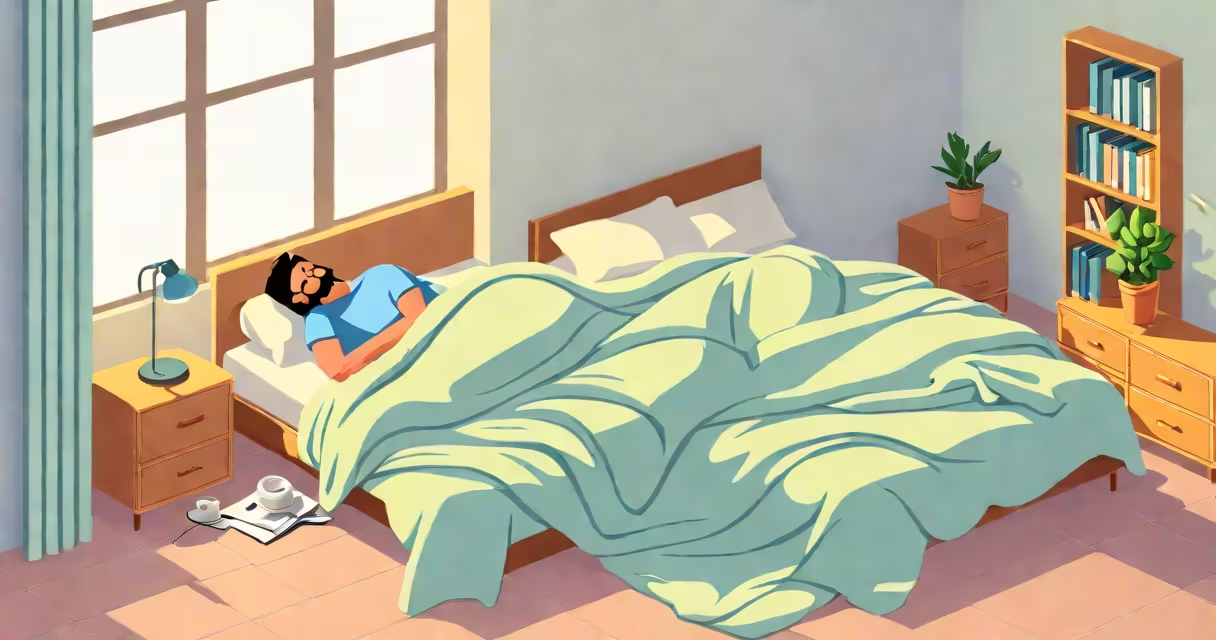
Feel depressed when sick describes the emotional downturn many people experience during or shortly after an illness, caused by immune system activity, disrupted sleep, and reduced physical function. This reaction is not weakness-it's a documented physiological response tied to inflammation and brain chemistry changes.
When you're sick, your body releases cytokines-proteins that regulate immune responses. These molecules cross the blood-brain barrier and influence mood-regulating regions like the hippocampus and prefrontal cortex. A 2016 study published in *Nature Neuroscience* found that elevated cytokines correlate with increased depressive symptoms, even in people without prior mental health conditions.
Illness disrupts normal routines. You lose mobility, social contact, and control over daily tasks. These losses trigger stress responses that mimic clinical depression. For example, a person with the flu may stop answering messages, skip meals, and sleep through entire days-behaviors that mirror low mood patterns seen in major depressive disorder.
Your immune system doesn't just fight pathogens-it communicates with your brain. During infection, pro-inflammatory cytokines such as interleukin-1 beta (IL-1β) and tumor necrosis factor-alpha (TNF-α) increase. These signals activate microglia-immune cells in the brain-that then reduce serotonin and dopamine availability, neurotransmitters linked to motivation and pleasure.
Research from the University of California, San Diego, shows that mice exposed to bacterial endotoxins exhibit "sickness behavior"-reduced exploration, lower interest in rewards, and slower movement-symptoms indistinguishable from depression in behavioral tests. Human studies confirm similar results: patients with chronic inflammatory diseases report higher rates of depression.
Even mild infections can cause this shift. A 2021 study in *JAMA Psychiatry* tracked 1,200 adults over six months. Those who reported a recent viral infection were 40% more likely to develop depressive episodes within 30 days, independent of pre-existing mental health history.
People often assume feeling down while sick is just "being sad" or "not tough enough." But it's not emotional failure-it's biology. The misconception that "I should just push through" worsens outcomes. Suppressing symptoms without addressing mood can prolong recovery.
Some confuse this state with clinical depression. While overlap exists, feel depressed when sick typically resolves within 3-7 days after physical symptoms subside. Persistent low mood beyond that window may indicate a separate condition requiring professional evaluation.
A non-obvious fact: fatigue from illness doesn't just drain energy-it alters decision-making. The brain prioritizes survival over planning. This leads to poor choices, like skipping medication or avoiding hydration, which further delay healing. The cycle reinforces feelings of helplessness.
Consider Sarah, a 34-year-old teacher with no history of depression. She caught a cold in early October. By day three, she stopped grading papers, avoided calls from friends, and cried over minor setbacks. Her doctor noted elevated CRP (C-reactive protein), a marker of systemic inflammation. After five days of rest and fluids, her mood improved.
Another pattern emerges in long-haulers-individuals recovering from prolonged viral illnesses like COVID-19. A 2022 survey by the CDC found that 38% of those reporting ongoing fatigue also experienced persistent low mood. Many described feeling "emotionally flat," despite being physically stable.
| Factor | Impact on Mood | Example |
|---|---|---|
| Inflammation markers (CRP, IL-6) | Higher levels correlate with sadness and lack of motivation | CRP > 10 mg/L linked to 2.3× higher risk of depressive symptoms |
| Sleep disruption | Reduces REM sleep, increases negative emotion processing | Missing 2 hours of sleep raises cortisol by 25% |
| Reduced social interaction | Decreases oxytocin and serotonin, increasing isolation | Isolation for >24 hours doubles perceived loneliness |
Recognizing the cause is the first step. You're not broken-you're responding to real physiological shifts. Focus on restoring basic functions: hydration, nutrition, and rest. Even small actions like drinking water or sitting upright for five minutes can signal recovery to the brain.
For recurring cases, especially if you frequently feel down during illness, consult a healthcare provider. Blood tests can rule out thyroid issues or vitamin deficiencies (like B12 or D) that amplify mood effects. Some people benefit from short-term cognitive behavioral therapy techniques tailored to illness-related distress.
I once cared for a patient with recurrent fatigue and mood drops after respiratory infections. After adjusting his sleep schedule and adding omega-3 supplements (shown to reduce inflammation), his emotional resilience improved markedly. He reported fewer days of low mood during future illnesses.
Don't ignore the emotional toll of being sick. It's not imagined. It's measurable, treatable, and temporary. Addressing both body and mind speeds healing and restores well-being faster than treating either alone.
Understanding feel depressed when sick as a natural response reduces stigma and encourages better care. Recovery isn't just about getting better physically-it's about restoring emotional balance too.