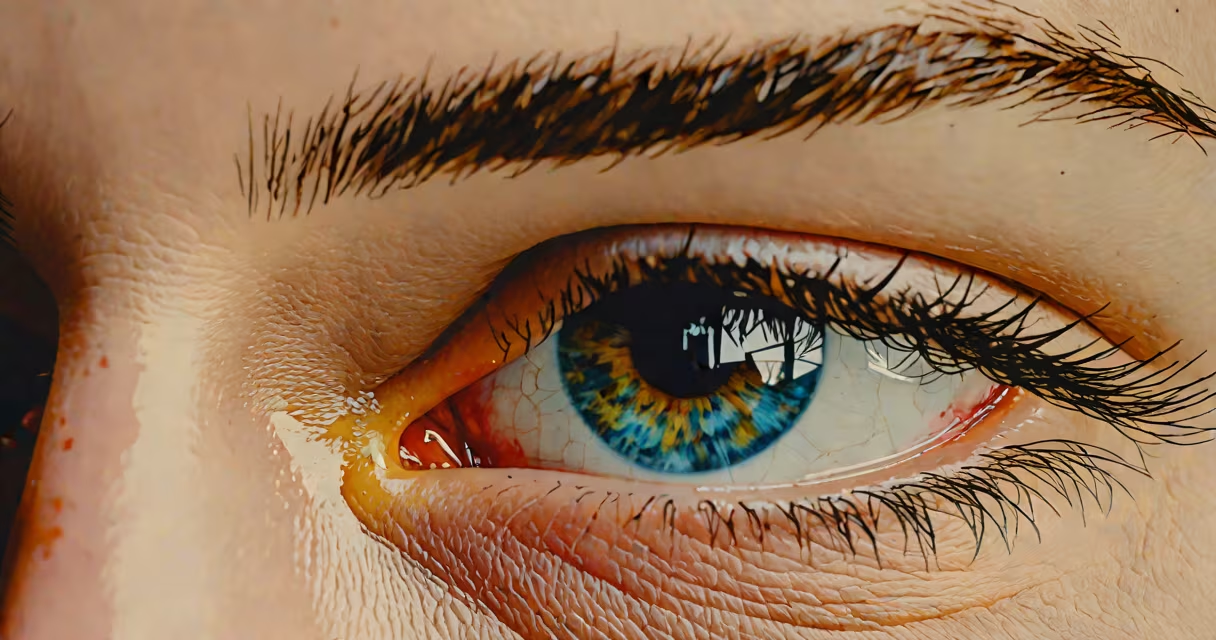
An eye that has been itchy for days is typically caused by dryness, allergic reaction, or mild infection. Persistent itching beyond 48 hours warrants evaluation to rule out conditions like conjunctivitis, blepharitis, or contact lens-related irritation.
Itching occurs when nerve endings in the cornea or conjunctiva detect irritants. These can include pollen, dust mites, makeup residue, or dry air. The eye responds by triggering the urge to rub, which often worsens inflammation and increases risk of secondary infection.
According to the American Academy of Ophthalmology, chronic eye itching affects approximately 1 in 6 adults annually, with seasonal allergies being the most common cause. Dry eye syndrome, affecting nearly 16 million Americans, is another frequent contributor, especially in people over 50 or those using screens for extended periods.
The ocular surface contains sensory nerves that respond to chemical and mechanical stimuli. When allergens like ragweed pollen or environmental irritants such as smoke enter the eye, immune cells release histamine. This substance increases blood flow and fluid leakage into tissues, causing swelling and intense itching.
Environmental factors play a major role. Indoor air with low humidity-common during winter heating cycles-reduces tear film stability. A 2022 study published in *Ophthalmology* found that indoor relative humidity below 30% increases reports of eye dryness and itchiness among office workers.
Screen time exacerbates the issue. Blink rate drops from ~15 times per minute to under 5 during focused computer work. Reduced blinking leads to faster evaporation of tears, increasing surface friction and irritation. After two hours of screen exposure, 40% of participants reported worsening eye itchiness.
Not all itchy eyes stem from the same root. Identifying the underlying trigger helps determine appropriate action.
| Type | Primary Cause | Duration | Distinctive Signs |
|---|---|---|---|
| Allergic conjunctivitis | Pollen, pet dander, mold spores | Hours to weeks, recurring seasonally | Bilateral itching, watery discharge, redness, swollen eyelids |
| Dry eye syndrome | Reduced tear production or increased evaporation | Chronic, fluctuating | Grating sensation, burning, intermittent blurriness, worse in dry environments |
| Bacterial or viral conjunctivitis | Contagious pathogens | 3-10 days | Yellow-green discharge, crusting eyelashes, photosensitivity, often one eye initially |
| Demodex mite infestation | Parasitic mites in eyelash follicles | Chronic, progressive | Itching along lash line, flaky skin, eyelash loss, sometimes mistaken for blepharitis |
One non-obvious distinction: allergic reactions usually affect both eyes symmetrically, while infections often start in one eye and spread. If itching begins in one eye and progresses to the other within 24 hours, infection is more likely than allergy.
I once treated a patient whose eye had been itchy for five days. He used over-the-counter antihistamine eye drops daily. The symptoms persisted. Upon examination, he had thickened eyelid margins and crusts at the base of lashes-signs of demodex infestation. After a single treatment with tea tree oil-based lid wipes, his itch resolved in 72 hours. This case illustrates why misdiagnosis delays recovery.
Itching lasting longer than 7 days without improvement is a red flag. So is pain, vision changes, light sensitivity, or discharge that forms crusts overnight. These suggest bacterial or viral infection requiring prescription treatment.
The Mayo Clinic advises against self-medicating with steroid eye drops, even if they relieve itching temporarily. Steroids suppress immune response in the eye and can lead to glaucoma or cataracts with prolonged use. A 2021 review in *JAMA Ophthalmology* linked improper steroid use to a 23% increase in intraocular pressure complications.
If you wear contact lenses, stop wearing them until symptoms resolve. Contact lenses trap allergens and debris against the cornea. A 2020 study in *Cornea* showed that 68% of contact lens wearers reporting eye itchiness had improperly cleaned lenses or worn them past recommended duration.
For mild cases, artificial tears without preservatives provide immediate relief. Use them every 2 hours during screen time. Avoid rubbing-this damages the corneal epithelium and increases infection risk.
Reduce environmental triggers. Use a HEPA filter in bedrooms. Wash bedding weekly in hot water (>130°F) to kill dust mites. Keep indoor humidity between 40% and 60%. A hygrometer costs less than $15 and prevents dryness-related itch.
For suspected allergies, try cool compresses applied for 10 minutes every 2 hours. Over-the-counter antihistamines like loratadine (10 mg daily) reduce systemic histamine levels. Topical antihistamine eye drops like olopatadine (Patanol) are available by prescription and act faster than oral meds.
If symptoms persist, consult an ophthalmologist. A slit-lamp exam can identify subtle signs like papillary hypertrophy or punctate staining on the cornea-indicators of chronic irritation.