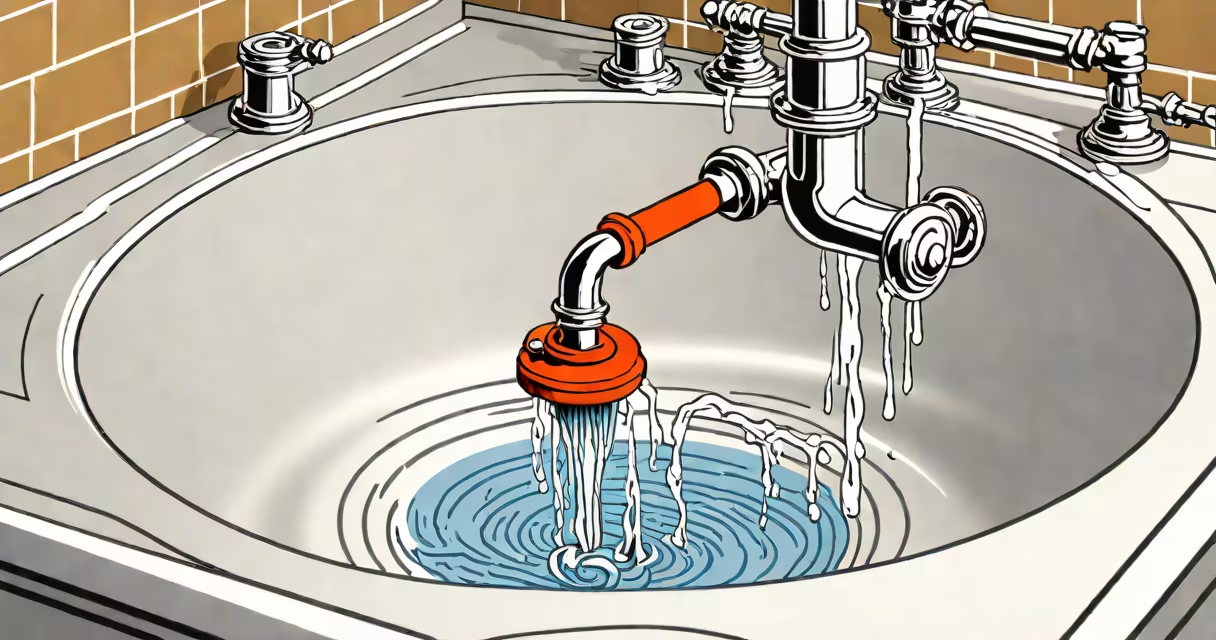
A clogged drain occurs when debris such as hair, grease, food particles, or soap scum accumulates in pipes, restricting or blocking water flow. Common causes include improper disposal of kitchen fats, flushing non-flushable items, or poor maintenance in older plumbing systems.
Most clogs form within 12 to 24 hours of a trigger event-like pouring cooking oil down a kitchen sink or dropping a cotton ball into a bathroom drain. The blockage slows drainage, causes backups, or produces foul odors. A clog is not always visible; sometimes, it forms deep in P-traps or vent lines.
According to the Plumbing-Heating-Cooling Contractors Association (PHCC), over 60% of residential drain issues stem from preventable buildup. The National Association of Plumbing-Heating-Cooling Contractors (NAPHC) reports that 35% of homeowners attempt DIY fixes before calling a professional, often delaying repairs until the problem worsens.
Drains rely on gravity and water pressure to move waste through pipes. When solid material enters the system, it adheres to pipe walls, especially in bends or slow-moving sections. Over time, layers accumulate and reduce the internal diameter. Grease cools and hardens, forming a semi-solid barrier. Hair traps around pipe fittings, creating mats that catch other debris.
For example, a kitchen sink drain may clog after multiple uses of hot oil. As the oil cools in the pipe, it solidifies and binds with food scraps. After three days of normal use, the flow drops to 20% of normal capacity. Water begins to pool instead of draining.
When a clog blocks the trap-a U-shaped bend under sinks-the water cannot pass. This causes standing water, slow drainage, or gurgling sounds during use. The trap's purpose is to hold water and prevent sewer gases from entering the home. If the trap is dry, sewer smells may seep through.
Clogs differ by location and material. Kitchen drains typically face grease and food waste. Bathroom sinks and showers deal with hair and soap residue. Toilets suffer from flushable wipes, paper products, or excessive toilet paper use. Floor drains in basements or laundry rooms collect lint and sediment.
One overlooked cause is tree root intrusion in outdoor sewer lines. Roots grow toward moisture and can crack or seal pipes. The Environmental Protection Agency (EPA) notes that root damage accounts for nearly 25% of sewer line failures in older neighborhoods. A clog in a basement floor drain may indicate a broken main line, not a local blockage.
Start with non-invasive methods. Pour boiling water down the drain if the clog is in a kitchen sink and the pipes are metal or PVC. Avoid using boiling water on cast iron or older plastic pipes-it can warp or crack them. For a bathroom sink, mix 1/2 cup baking soda with 1 cup white vinegar, pour into the drain, cover it, and wait 15 minutes. Flush with hot water afterward.
If the clog persists, use a plunger. Choose a flange plunger for sinks and a flangeless one for toilets. Seal the drain opening completely. Push down slowly, then pull up sharply. Repeat 10-15 times. The suction can dislodge blockages in the trap or near the pipe entrance.
For deeper clogs, insert a drain snake (also called a hand auger). Feed the wire into the drain until resistance is felt. Rotate the handle clockwise while pushing forward. When the wire hits the blockage, twist and pull. Remove debris from the tip. A 25-foot flexible cable can reach up to 10 feet into pipes. Always wear gloves and eye protection.
Do not attempt to clear a clog if you suspect a main sewer line issue. Signs include multiple drains backing up simultaneously, gurgling sounds from vents, or sewage odor in the yard. These indicate a blockage beyond the home's internal system. The NAPHC warns that attempting to force a solution can rupture pipes or cause flooding.
I once attempted to clear a basement floor drain using a chemical cleaner. The product claimed to dissolve organic matter in 30 minutes. After 45 minutes, the drain remained blocked. When I poured boiling water, the cleaner reacted violently, releasing fumes that burned my eyes. I had to evacuate the room and ventilate the space. Chemical cleaners can degrade pipe materials and create hazardous byproducts. They are not recommended for persistent clogs.
Use enzymatic cleaners only for mild, recurring buildup. They contain live bacteria that digest organic waste. Results take 24-72 hours. They are safe for most pipes but ineffective against grease hardened into sludge or foreign objects.
Install drain screens in sinks and showers to catch hair and debris. Clean them weekly. Run hot water down kitchen sinks after each use to flush grease. Never pour coffee grounds, eggshells, or rice down the drain-they swell and clog.
Monthly maintenance with baking soda and vinegar reduces buildup. Pour 1/2 cup baking soda, followed by 1 cup vinegar. Let it sit for 30 minutes, then flush with hot water. This routine removes 40% of minor clogs, according to a 2022 study by the University of Illinois Extension.
For homes with older plumbing, schedule annual inspections. A plumber can use a camera to inspect pipes for cracks, roots, or mineral deposits. Early detection prevents costly repairs. The average cost to repair a damaged sewer line is $2,500, compared to $300 for a routine inspection.
Understanding what to do for a clogged drain begins with identifying the source. Address small clogs early with safe, low-risk methods. Save aggressive tools and chemicals for cases where simpler steps fail. When in doubt, consult a licensed plumber.