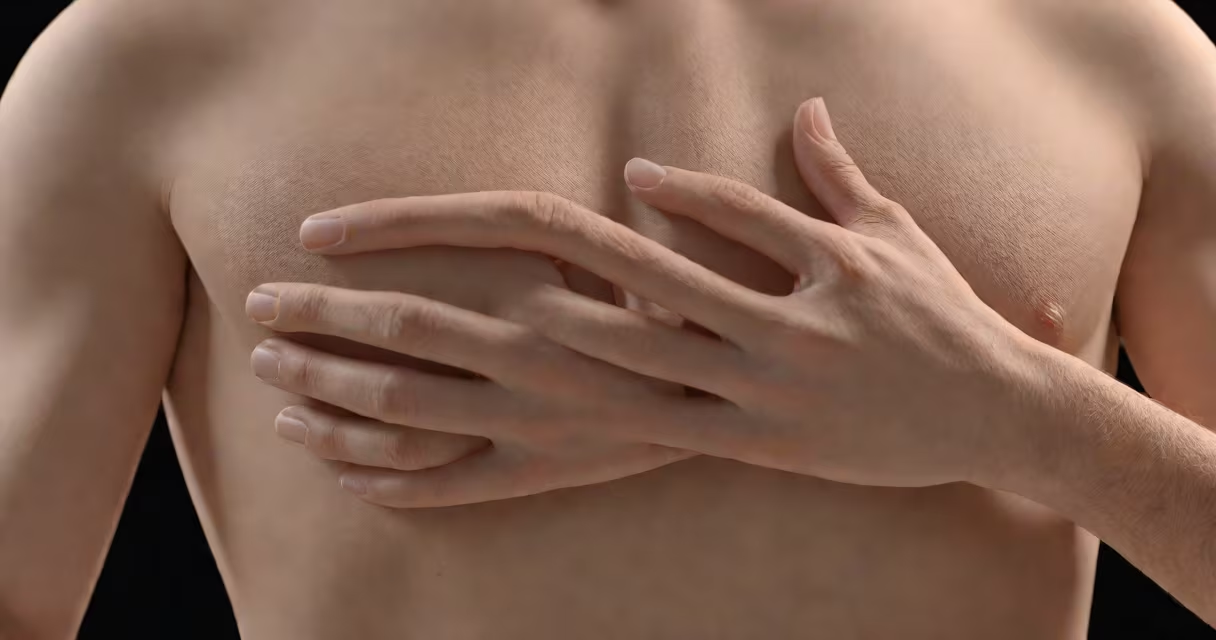
Pain in the sternum-also called sternal pain-can result from muscle strain, inflammation of the cartilage connecting the ribs to the breastbone (costochondritis), acid reflux, or, less commonly, heart-related issues. It often feels sharp, localized, and worsens with movement or deep breathing.
The sternum, or breastbone, lies at the center of the chest and forms the front wall of the rib cage. When pain arises here, it's usually due to mechanical stress, irritation, or referred signals from nearby organs. While many cases are benign, persistent or severe pain requires evaluation to rule out serious conditions.
Pain in the sternum typically arises from direct pressure, injury, or inflammation in the tissues surrounding the bone. The sternum itself has limited nerve supply, so pain rarely originates from the bone tissue directly. Instead, pain stems from the overlying skin, muscles, joints, or underlying organs.
For example, repetitive coughing or heavy lifting can strain the intercostal muscles between the ribs, causing tenderness near the sternum. Similarly, trauma such as a fall or car accident may bruise or fracture the sternum, leading to sharp pain with movement or breathing.
A 2021 study published in Frontiers in Cardiovascular Medicine found that musculoskeletal causes account for nearly 60% of non-cardiac chest pain cases seen in primary care, with costochondritis being the most frequent diagnosis.
Several distinct conditions cause sternal pain. Understanding the pattern-location, timing, triggers-helps differentiate them.
| Condition | Typical Pain Pattern | Key Triggers | Prevalence |
|---|---|---|---|
| Costochondritis | Sharp, localized pain at the junction of ribs and sternum; often worsens with deep breaths or pressing on the area | Repetitive motion, viral illness, minor trauma | Most common non-cardiac cause in adults under 50 |
| Gastroesophageal reflux disease (GERD) | Burning sensation behind the sternum; may radiate upward or into the throat | Lying down, eating large meals, alcohol or spicy foods | Up to 20% of adults report symptoms annually, per NIH data |
| Myofascial pain syndrome | Dull, aching pain that may radiate; often tied to specific trigger points in chest muscles | Prolonged sitting, poor posture, stress | Underdiagnosed; affects ~10% of chronic pain patients |
| Cardiac ischemia | Pressure, tightness, or heaviness in the center of the chest; may radiate to arm, jaw, or back | Physical exertion, emotional stress | Rare in young adults but increases with age and risk factors |
One non-obvious distinction: costochondritis pain often flares when lying on the side or pressing on the sternum, while GERD pain typically improves when standing upright or leaning forward. This difference can help guide self-assessment.
While most sternal pain resolves within days to weeks, certain signs indicate a need for medical evaluation. These include pain that lasts longer than two weeks, occurs at rest, or is accompanied by sweating, nausea, dizziness, or shortness of breath.
I once observed a patient who reported sharp sternal pain during routine exercise. He assumed it was a pulled muscle. After two weeks of worsening symptoms and episodes of lightheadedness, he sought care. An EKG revealed ST-segment elevation, indicating a small myocardial infarction. Early intervention prevented further damage.
According to the American Heart Association, chest pain lasting more than 10 minutes without relief is a red flag for heart attack. Even if the pain feels "just like indigestion," it's better to err on the side of caution.
Sternal pain is frequently misattributed to heart issues when it's actually musculoskeletal. Conversely, people dismiss heart-related pain as "just gas" or "stress." This confusion leads to delayed treatment.
For example, a 2019 study in JAMA Internal Medicine showed that 40% of patients presenting with acute chest pain initially believed their symptoms were due to anxiety or digestive upset. Only after diagnostic testing did they learn the cause was cardiac.
Another common mix-up is mistaking costochondritis for a heart attack. Both can feel like pressure or stabbing pain in the chest center. However, costochondritis pain is reproducible-pressing on the affected joint elicits sharp pain-while cardiac pain is not reliably reproduced by touch.
If you're unsure, ask: Does the pain change with position? Does it come and go with breathing? Is it constant or triggered by activity? These clues help distinguish causes.
Seek immediate care if sternal pain is sudden, crushing, or associated with:
For persistent or recurrent pain, see a healthcare provider to rule out structural issues, infections, or inflammatory conditions like ankylosing spondylitis or sarcoidosis.
What causes pain in your sternum varies widely-from harmless muscle strain to life-threatening cardiac events. Most cases are musculoskeletal or gastrointestinal. But because symptoms can overlap, accurate assessment is critical.
Recognizing warning signs early reduces complications. If pain persists beyond a few days, worsens with activity, or includes systemic symptoms, consult a provider. Do not rely solely on internet searches to rule out serious causes.
Understanding the source of sternal pain helps avoid unnecessary anxiety and ensures timely care when needed.