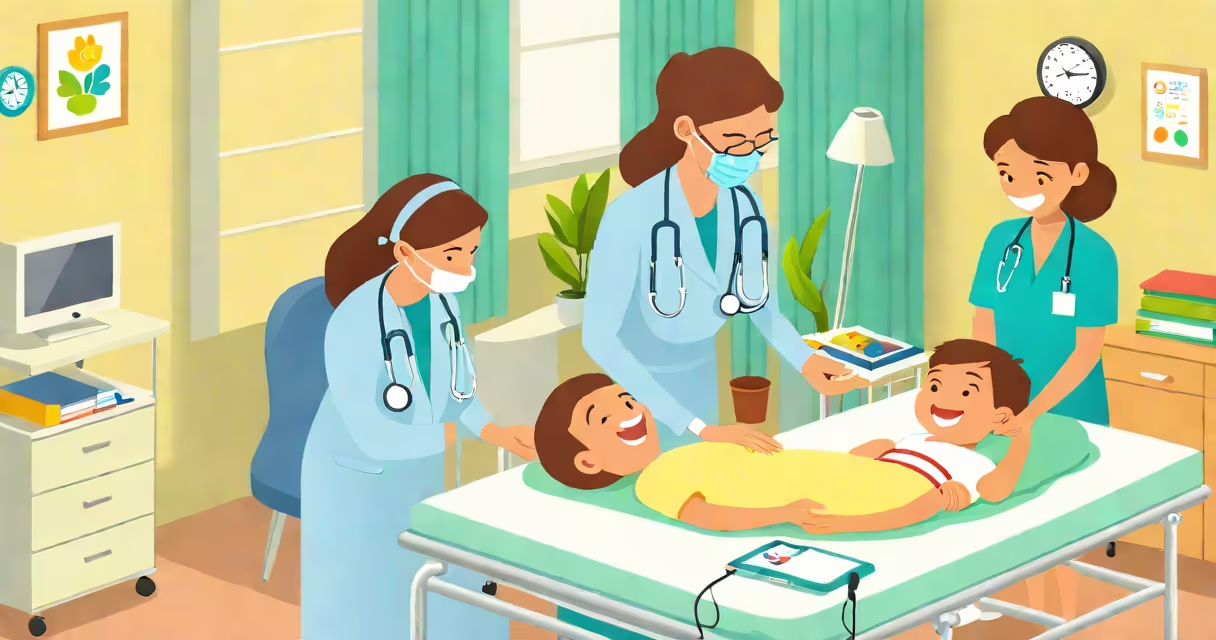
Education and training for a pediatric nurse begins with earning a Bachelor of Science in Nursing (BSN), passing the NCLEX-RN exam to become a licensed registered nurse (RN), and completing specialized certification through the Pediatric Nursing Certification Board (PNCB). This path prepares nurses to care for infants, children, and adolescents in hospitals, clinics, and community settings.
After obtaining basic RN credentials, aspiring pediatric nurses pursue advanced training focused on developmental stages, pediatric pharmacology, and family-centered care. This includes clinical rotations in neonatal intensive care units (NICUs), pediatric emergency departments, and outpatient pediatric clinics. Most programs require 400-600 hours of supervised clinical practice in pediatric settings before certification eligibility.
The National Council Licensure Examination for Registered Nurses (NCLEX-RN) is the mandatory licensing exam administered by the National Council of State Boards of Nursing (NCSBN). Passing this exam is required in all U.S. states and territories. The test covers patient safety, medication administration, and physiological responses unique to pediatric patients, such as altered drug metabolism in young bodies.
Formal education for pediatric nurses follows a structured sequence: undergraduate nursing school, state licensure, and post-licensure specialization. All programs must meet standards set by the Commission on Collegiate Nursing Education (CCNE) or the Accreditation Commission for Education in Nursing (ACEN).
Undergraduate programs include courses in anatomy, physiology, microbiology, and psychiatric nursing. Pediatric-specific coursework introduces topics like childhood immunization schedules, growth and development milestones, and managing chronic conditions such as asthma and diabetes in children. Students learn to assess pain using age-appropriate tools like the FACES Pain Scale and to communicate effectively with both children and their families.
During clinical rotations, students work under supervision in pediatric wards, operating rooms, and specialty clinics. A typical rotation might involve monitoring important signs in a 3-year-old recovering from tonsillectomy, administering IV fluids, and documenting changes in behavior or pain levels. These experiences build hands-on skills in pediatric assessment and crisis response.
After gaining at least 1,600 hours of clinical experience in pediatric care within the past two years, RNs can sit for the Certified Pediatric Nurse (CPN) exam offered by the PNCB. The exam consists of 175 multiple-choice questions covering areas such as respiratory management, neurodevelopmental disorders, and pediatric trauma care. A passing score requires 100 correct answers out of 150 scored items.
Certification is valid for five years and must be renewed through continuing education credits (CEUs). Nurses must complete 75 CEUs during each renewal cycle, including at least 15 hours in pediatric-specific topics. Many hospitals offer in-house training on new protocols, such as updated guidelines for managing sepsis in infants or responding to pediatric opioid overdoses.
A non-obvious distinction: pediatric nurses do not perform surgery, but they play a critical role in preoperative and postoperative care. For example, a pediatric nurse may prepare a 7-year-old for heart surgery by explaining procedures using dolls and medical models, reducing anxiety. After surgery, they monitor for complications like fluid imbalance or arrhythmias, which manifest differently in children than adults due to smaller blood volume and higher metabolic rates.
Many assume pediatric nurses only work in hospitals. In reality, they serve in diverse environments: school health centers, home health agencies, and public health departments. A pediatric nurse in a rural clinic may manage vaccine distribution, conduct well-child visits, and provide parenting support for low-income families.
Another misconception is that pediatric nursing requires less skill than adult care. On the contrary, pediatric patients cannot always verbalize symptoms. A 2-year-old with pneumonia may only show irritability, poor feeding, and rapid breathing-signs that require acute observation and clinical judgment. A study published in *Pediatrics* found that nurses who completed advanced pediatric training reduced hospital readmission rates by 18% compared to those without certification.
| Training Stage | Duration | Key Requirement | Outcome |
|---|---|---|---|
| BSN Program | 4 years | Accredited curriculum with pediatric clinical hours | Eligibility for NCLEX-RN |
| NCLEX-RN Exam | Pass/fail | Minimum score of 75 on scaled exam | State licensure as RN |
| CPN Certification | Variable | 1,600 hours in pediatric care + exam | Board certification valid 5 years |
I once observed a pediatric nurse in a Level III NICU successfully stabilize a premature infant experiencing apnea. The nurse noticed subtle changes in skin color and respiratory rate before alarms triggered. Using a standardized assessment tool, she adjusted oxygen delivery and alerted the team. Her actions prevented intubation. That moment underscored how specialized training translates into life-saving decisions.
Education and training for a pediatric nurse is a multi-stage process involving academic study, clinical immersion, and board certification. It equips nurses to deliver safe, evidence-based care tailored to the unique needs of children and their families. The field continues to grow, with demand projected to rise 9% by 2032 according to the U.S. Bureau of Labor Statistics.