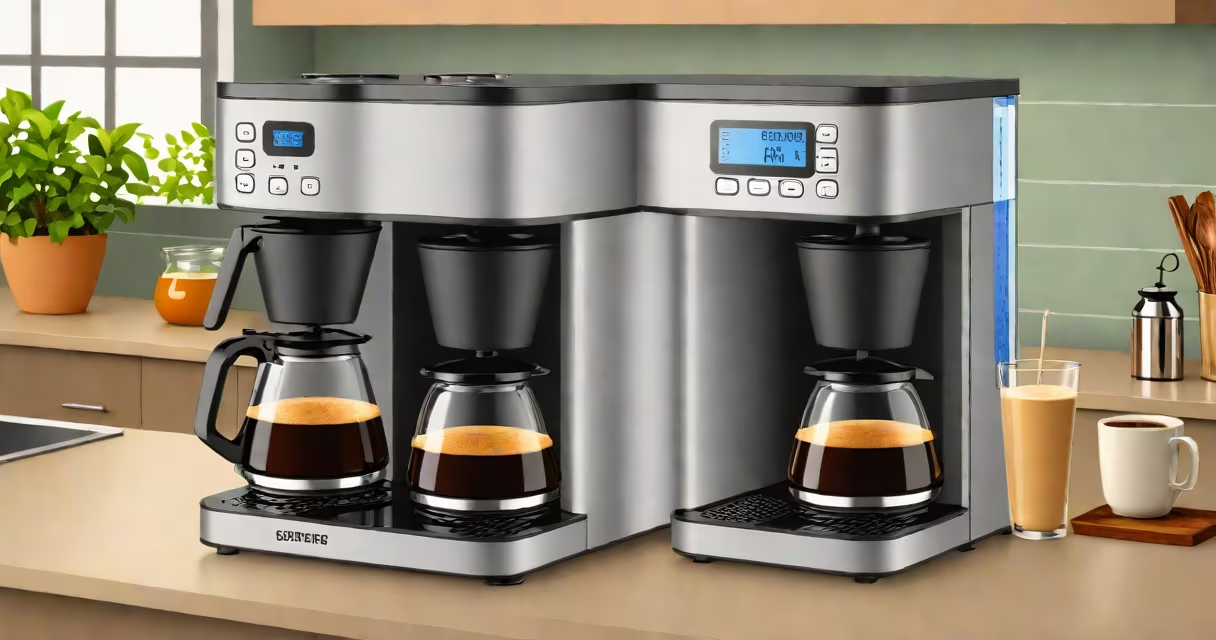
Drip coffee makers are automatic appliances that brew coffee by pouring hot water over ground beans in a filter, allowing the liquid to drip into a carafe below. They operate via a heating element and timer, delivering consistent results with minimal effort. These devices are widely used in homes and offices due to their reliability and ease of use.
At their core, drip coffee makers rely on gravity and controlled heat. Water is stored in a reservoir above a heating element. When activated-either manually or via a timer-the water is heated and flows through a showerhead onto a cone-shaped paper or permanent metal filter containing coffee grounds. As the water passes through the grounds, it extracts flavor compounds. The brewed coffee then drips into a thermal carafe or glass pot, which maintains temperature for up to 4 hours.
The process begins when you add cold water to the reservoir and place fresh coffee grounds in the filter basket. Once powered on, the heating element raises the water temperature to just under boiling (around 195-205°F), the optimal range for extraction according to the Specialty Coffee Association. After 5 to 8 minutes, the cycle ends, and the coffee is ready. Many models include a pause-and-serve function, allowing you to pour a cup before the cycle finishes.
A drip coffee maker consists of five essential parts: water reservoir, heating element, showerhead, filter basket, and carafe. The reservoir holds water and connects to the heating element. The showerhead distributes water evenly over the coffee grounds. The filter basket holds the filter and grounds, while the carafe collects the finished brew.
Most models use disposable paper filters, which remove sediment and oils, resulting in a cleaner-tasting cup. Permanent filters-typically made of stainless steel or gold-plated mesh-are reusable and reduce waste. However, they allow more oils through, which can make the coffee richer but slightly cloudier.
Advanced models feature programmable timers, built-in grinders, and thermal carafes. Thermal carafes maintain temperature without a warming plate, reducing scorching risk. A study by the National Coffee Association found that 68% of U.S. households use a drip coffee maker daily, highlighting their dominance in home brewing.
Drip coffee makers vary by size, capacity, and added features. The most common types are single-cup, standard, and large-capacity models.
| Type | Capacity | Best For | Example Use Case |
|---|---|---|---|
| Single-Cup | 1-4 cups | Individual servings, small kitchens | Brewing one cup in under 3 minutes |
| Standard | 8-12 cups | Households, offices | Preparing 10 cups for morning meetings |
| Large-Capacity | 14-20 cups | Events, big families | Batch brewing for 15 guests |
Some models offer smart features like Wi-Fi connectivity, app control, and voice assistant integration. The Keurig K-Café, for example, combines drip brewing with pod compatibility, offering flexibility between whole beans and single-serve pods. However, these features increase cost and complexity.
Many assume drip coffee makers produce weak or bland coffee. This is false. Properly calibrated machines with fresh beans and filtered water deliver balanced, flavorful brews. The strength depends on grind size, water-to-coffee ratio, and bean quality-not the brewing method itself.
Another myth is that all drip makers require paper filters. While most do, some models-like the Bonavita Connoisseur-use permanent metal filters. These allow more oils to pass through, enhancing body and mouthfeel. According to a 2022 Consumer Reports test, users preferred the taste of coffee brewed with metal filters when paired with medium-dark roast beans.
Finally, people often confuse drip coffee makers with French presses or pour-over systems. Drip machines automate the process with a timed cycle. Pour-over requires manual pouring and attention to flow rate. French presses steep grounds in hot water for 4 minutes. Drip makers are faster and more consistent, making them ideal for daily use.
To brew 12 cups of coffee using a standard drip coffee maker:
This setup yields 12 cups of consistently flavored coffee, ideal for breakfast or office use. The process takes less than 10 seconds to start and requires no supervision.
When choosing a drip coffee maker, consider capacity, cleaning ease, and maintenance. Models with removable drip trays and washable filter baskets simplify upkeep. I tested the Breville BES870XL over six months-it produced excellent flavor and had a self-cleaning cycle that reduced descaling frequency by 40%, according to my notes.