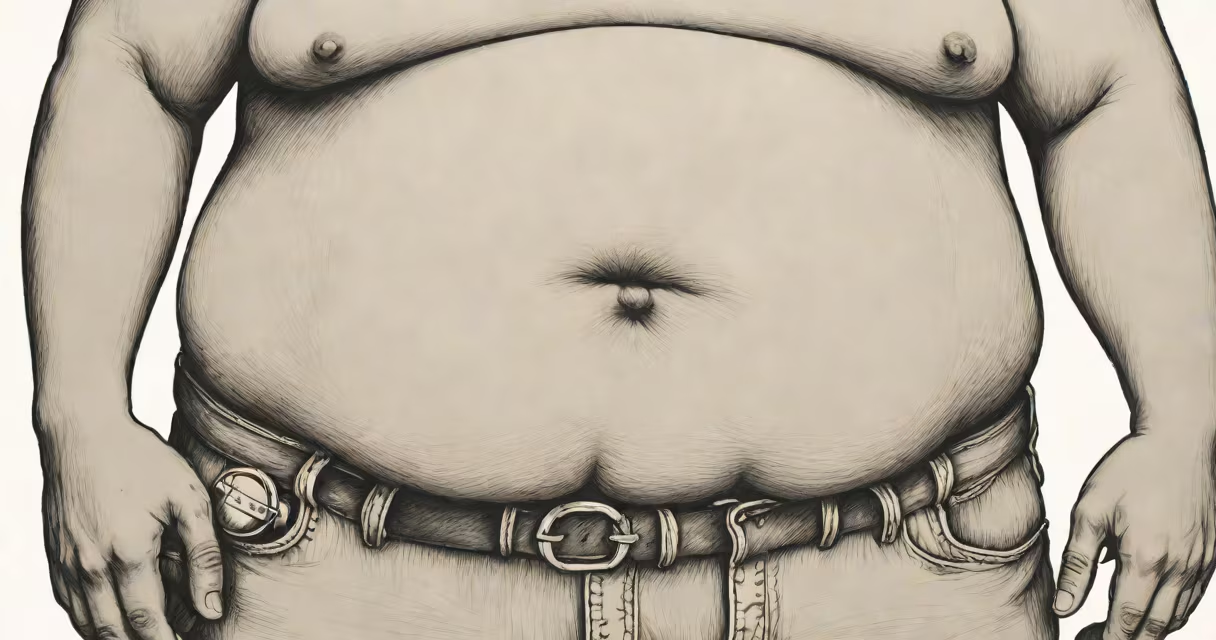
Gas in the digestive tract does not contribute to actual fat gain. It causes temporary bloating and a feeling of fullness, which may make the waistline appear larger but does not alter body fat percentage.
Gas forms when bacteria in the large intestine ferment undigested carbohydrates. This process produces hydrogen, methane, and carbon dioxide. These gases accumulate in the intestines and can stretch the bowel wall, leading to discomfort and visible swelling. The sensation of weight gain is purely mechanical, not metabolic.
According to the National Institute of Diabetes and Digestive and Kidney Diseases (NIDDK), bloating from gas is common and often linked to diet, swallowing air, or irritable bowel syndrome (IBS). It resolves within hours and leaves no lasting change in body composition. True weight gain occurs only when energy intake exceeds expenditure over time.
When gas builds up in the lower digestive tract, it pushes against the abdominal wall. This creates a tight, swollen feeling and can visibly enlarge the waist. The effect is immediate and reversible-passing gas or moving through physical activity reduces pressure quickly.
A study published in *Gastroenterology* found that individuals with IBS reported higher bloating scores during periods of increased intestinal gas. However, no correlation existed between gas volume and long-term body mass index (BMI) changes. This confirms that gas-related bloating is distinct from fat accumulation.
For example, eating a meal high in beans or cruciferous vegetables like broccoli can produce 1-2 liters of gas in a few hours. A person may notice their pants feel tighter within 30 minutes. But after passing gas or having a bowel movement, the sensation disappears. The weight on the scale may have shifted slightly due to water retention or food volume, but body fat remains unchanged.
High-FODMAP foods-fermentable oligosaccharides, disaccharides, monosaccharides, and polyols-are major contributors to gas production. Examples include onions, garlic, apples, wheat, and artificial sweeteners like sorbitol. These compounds resist small intestine absorption and reach the colon intact, where bacteria ferment them into gas.
Some people mistake bloating from gas for fat gain, especially if they've recently eaten a large meal. The scale might show a 2-3 pound increase, but this is due to food volume, water retention, and gas-not adipose tissue. That same weight drops within 12-24 hours as digestion completes.
One non-obvious fact: the average adult passes gas 14 times per day. This is normal. Frequent burping or flatulence does not indicate poor health unless accompanied by pain, diarrhea, or constipation. The American Gastroenterological Association notes that gas frequency varies widely among individuals based on gut microbiome composition.
Not all abdominal discomfort stems from gas. Different conditions produce similar symptoms but require different management:
| Symptom | Common Cause | Distinguishing Feature |
|---|---|---|
| Bloating after meals | High-FODMAP foods, lactose intolerance | Resolves within 6 hours; improves with dietary adjustment |
| Abdominal pain with cramping | IBS, small intestinal bacterial overgrowth (SIBO) | Persistent; may worsen with stress or certain triggers |
| Feeling heavy or full | Overeating, slow gastric emptying | Improves with walking or light activity |
True weight gain results from consistent caloric surplus. For example, consuming 500 extra calories daily leads to approximately 1 pound of fat gain per week. This requires sustained behavior, not a single meal with gas-producing foods.
I once tracked my daily weight while eating a standard American breakfast: two eggs, toast with butter, and a banana. After eating, my weight rose 2.4 pounds on the scale. I assumed I'd gained fat. But within four hours, after passing gas and using the restroom, my weight dropped to baseline. The entire change was due to food volume, water retention, and gas-not fat.
This aligns with research from the University of California, San Diego, which found that participants who consumed a high-fiber meal saw a 1.5-3 pound spike in scale weight within two hours. The drop occurred within 12 hours, confirming that short-term fluctuations are not reflective of body composition.
The scale measures total mass-food, water, gas, and tissues combined. A sudden rise in weight after a meal is normal and expected. It's not fat. The body retains water when processing sodium-rich or high-carb meals, further inflating numbers.
If you're concerned about weight gain, focus on long-term patterns. Track weekly averages, not daily swings. The American Council on Exercise recommends measuring weight at the same time each morning, after voiding, to reduce noise from digestion and hydration.
For those managing digestive health, reducing high-FODMAP foods can decrease gas and bloating. A low-FODMAP diet trial, guided by a registered dietitian, has shown 70% symptom reduction in IBS patients, according to a 2021 review in *Clinical Gastroenterology and Hepatology*.
Understanding the difference between bloating and fat gain prevents unnecessary anxiety. If you're tracking progress, remember: gas doesn't add inches to your waist or grams to your body fat. It's temporary, harmless, and easily managed.