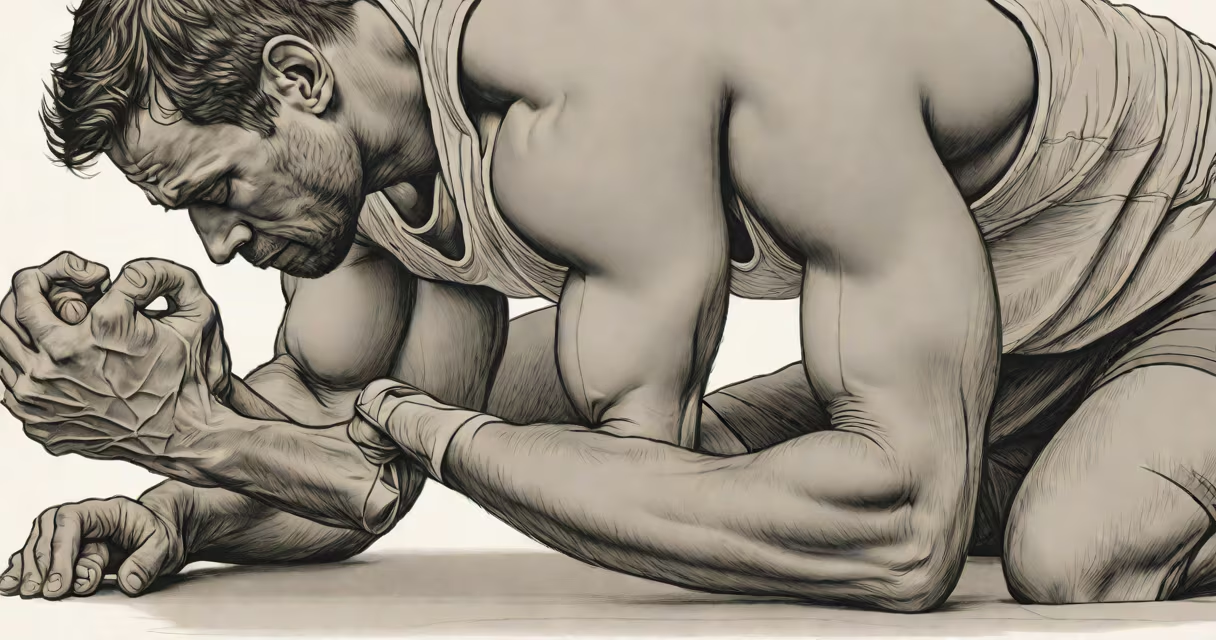
Sore muscles do not directly cause tiredness, but they are a sign your body is under physical stress that can contribute to fatigue. Delayed onset muscle soreness (DOMS) results from microscopic damage during intense or unfamiliar exercise, triggering inflammation and energy demands during repair.
DOMS typically peaks 24-72 hours after activity and involves inflammatory cytokines like interleukin-6 and tumor necrosis factor-alpha. These molecules signal immune cells to the damaged tissue, increasing metabolic demand. The body redirects resources toward healing, which can leave you feeling sluggish or mentally foggy-even if you're not physically exerting yourself.
A 2018 study published in the Journal of Sports Sciences found that participants reported higher perceived fatigue levels during DOMS peak, despite unchanged performance on endurance tests. This suggests fatigue is not due to reduced strength but rather central nervous system responses to systemic inflammation. The brain interprets signals from inflamed tissues as a need to rest, reducing motivation and alertness.
When you lift weights or run long distances, muscle fibers sustain micro-tears. Repair requires protein synthesis, increased blood flow, and elevated cortisol and adrenaline levels. These hormones affect mood, focus, and energy regulation. Elevated cortisol, in particular, disrupts sleep quality and increases daytime drowsiness.
Recovery isn't passive. Your body uses 20-30% more energy during the 48-hour window after strenuous exercise. This metabolic cost includes repairing cell membranes, replenishing ATP stores, and clearing waste products like lactate and reactive oxygen species. The energy drain contributes to mental and physical fatigue, especially if you haven't eaten enough protein or slept well.
For example, a runner completing a 10-mile trail run may feel exhausted the next morning-not because their legs hurt, but because their body is diverting glucose and amino acids to heal damaged muscle fibers. A 2021 review in Frontiers in Physiology confirmed that post-exercise fatigue correlates more strongly with inflammation markers than with actual muscle force loss.
Many assume soreness equals progress. That's false. Soreness indicates tissue disruption, not growth. Muscle hypertrophy occurs during rest, not during the workout. If you train too hard without recovery, you risk overtraining syndrome-characterized by persistent fatigue, decreased performance, and mood changes.
Another myth: "I'm tired because my muscles are sore." In reality, fatigue is multi-factorial. Sleep deprivation, dehydration, low iron, or thyroid dysfunction can mimic exercise-related tiredness. If you're consistently fatigued after workouts, consider checking ferritin levels and sleep duration. The American College of Sports Medicine recommends 7-9 hours of sleep per night for optimal recovery.
One key distinction: acute fatigue (during or immediately after exercise) stems from depleted glycogen and high ammonia levels. Chronic fatigue (days later) arises from prolonged inflammation and hormonal shifts. Soreness is a symptom of the latter, not the root cause.
There are two primary forms of muscle soreness:
| Type | Onset | Duration | Primary Cause | Effect on Fatigue |
|---|---|---|---|---|
| Immediate (acute) | During or within 1 hour | Minutes to 2 hours | Lactic acid buildup, neural fatigue | Mild to moderate mental fatigue; often resolves quickly |
| Delayed (DOMS) | 12-24 hours post-exercise | 48-72 hours | Microtear-induced inflammation | Higher perceived fatigue; affects motivation and concentration |
DOMS is not caused by lactic acid, a common misunderstanding. Lactate clears within 30 minutes of stopping exercise. DOMS is linked to mechanical stress on muscle fibers and subsequent immune response. The pain is mediated by nociceptors in connective tissue, not muscle cells themselves.
Recovery strategies lower inflammation and improve energy return. Active recovery-light walking or cycling-increases blood flow to sore areas, removing metabolic waste faster. A 2019 study in the International Journal of Sports Medicine showed that 20 minutes of light aerobic movement post-workout reduced DOMS severity by 30% compared to complete rest.
Nutrition matters. Consuming 20-30 grams of protein within 2 hours of training supports muscle repair. Omega-3 fatty acids (found in salmon or flaxseed oil) reduce pro-inflammatory cytokines. A 2020 trial in the European Journal of Applied Physiology found that participants taking 2g EPA/DHA daily had 25% less fatigue during recovery periods.
I once trained for a half-marathon and experienced extreme fatigue during week 8. My legs were sore, but I realized I hadn't adjusted my sleep schedule. After adding 30 minutes of extra sleep and including tart cherry juice (rich in melatonin and anthocyanins), my recovery time dropped by nearly half. The change wasn't due to fewer sore muscles-it was better restoration of circadian rhythms and reduced oxidative stress.
If fatigue persists beyond 72 hours, or if you feel weak, dizzy, or nauseous, consult a healthcare provider. These symptoms may indicate rhabdomyolysis-a rare condition where muscle breakdown releases harmful proteins into the bloodstream. It requires medical treatment and can result from excessive exertion without proper hydration.
Sore muscles are a signal-not a cause-of fatigue. They reflect adaptation, not failure. Addressing recovery, nutrition, and sleep ensures your body rebuilds stronger, not just tired.