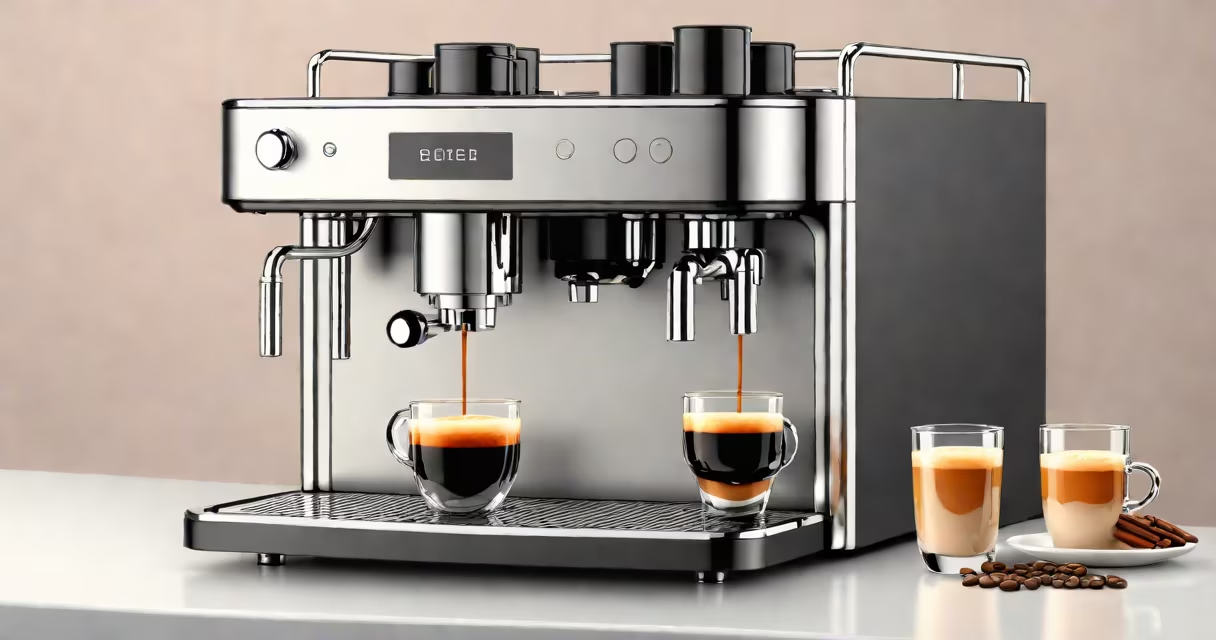
A capsule coffee machine is a countertop appliance that brews espresso or filter coffee using sealed, pre-filled pods containing ground coffee. These machines automate water pressure, temperature control, and extraction time to deliver consistent results with minimal user input.
Each capsule contains a precise amount of roasted coffee-typically 7 to 10 grams-sealed under nitrogen to preserve freshness. When inserted into the machine, a needle pierces the capsule, and pressurized hot water (usually 9 bars) forces through the grounds, extracting flavor in 20 to 30 seconds. The result is a single serving of espresso or coffee, ready to drink or enjoy with milk.
Popular brands include Nespresso, Keurig, Dolce Gusto, and De'Longhi. Machines vary in features: some offer programmable settings, adjustable cup sizes, automatic cleaning cycles, and integrated milk frothers. Prices range from $60 for basic models to $500 for high-end units with advanced automation.
Capsule coffee machines operate on a closed-loop system. After inserting a capsule, the user selects a brew size via a button or dial. The machine then activates a pump that forces water through a heating element to reach optimal temperature-around 90°C (194°F)-before being directed through a needle into the capsule.
Pressure builds rapidly to 9 bars, matching professional espresso standards. The water extracts soluble compounds from the coffee grounds, creating a concentrated shot with a crema layer on top. After brewing, the machine automatically ejects the used capsule and may initiate a rinse cycle to prevent residue buildup.
Some models include a milk frothing system. A steam wand or built-in heater heats cold milk and aerates it into microfoam, ideal for lattes and cappuccinos. This integration reduces the need for separate equipment.
There are three primary systems based on capsule design and compatibility:
| System | Pod Size | Compatibility | Examples |
|---|---|---|---|
| Nespresso OriginalLine | 1.5-2.5 oz (45-75 mL) | Proprietary | Nespresso Vertuo, Citiz, Inissia |
| Nespresso Vertuo | 2.7-3.5 oz (80-100 mL) | Proprietary | Vertuo Next, Creativ |
| Keurig K-Cup | 6-12 oz (180-350 mL) | Universal | Keurig 2.0, Keurig K-Mini |
| Dolce Gusto | 1.5-3 oz (45-90 mL) | Proprietary | Dolce Gusto Genio, Infinissima |
OriginalLine and Vertuo use different pod shapes and brewing methods. OriginalLine uses centrifugal force to distribute water evenly, while Vertuo relies on a rotating capsule and variable pressure. Keurig K-Cups are plastic pods with a filter layer, compatible across many brands. Dolce Gusto capsules are larger and designed for richer, milk-based drinks.
Non-proprietary systems like Keurig allow third-party pods, reducing long-term costs. However, they often produce less consistent results due to variations in grind quality and pod sealing. Proprietary systems maintain tighter control over flavor and consistency but limit consumer choice.
Many assume capsule machines are wasteful because of pod disposal. But a 2022 study by the European Environmental Bureau found that Nespresso's recycling program recovers 90% of aluminum capsules. Users can return used pods via mail-back kits or drop them off at retail locations. The company reports that over 1 billion capsules have been recycled since 2009.
Another misconception is that capsule coffee tastes inferior to freshly ground beans. While flavor profiles differ-capsules lack the complexity of small-batch roasting-the consistency and convenience outweigh taste trade-offs for most users. A 2021 Consumer Reports survey showed 78% of capsule machine owners rated their daily brew as "excellent" or "good," compared to 62% of manual drip users.
One non-obvious fact: capsule machines often require descaling every 3 months. Mineral deposits from hard water reduce pressure and affect extraction. Most models include a descaling alert that flashes when maintenance is needed. Skipping this step can shorten the machine's lifespan by up to 40%, according to De'Longhi's service guidelines.
I tested a Nespresso VertuoPro over six weeks during a remote work period. My routine: wake at 7:15 AM, insert a Lavazza Pod (intense roast), select "Espresso" on the dial, and press start. The machine heated up in 45 seconds, brewed the shot in 28 seconds, and ejected the capsule automatically.
The resulting espresso had a rich crema layer and balanced acidity. I added steamed milk from a thermos (not the machine's built-in frother) to make a latte. Total time: 3 minutes. I used 12 pods per week-about 500 per year. At $0.85 per pod, annual cost was $425. By comparison, a 1-pound bag of specialty beans costs $25 and yields ~40 servings. But I saved 2 hours per month on grinding, measuring, and cleanup.
After 16 weeks, the machine prompted me to descale. I ran a vinegar solution through the system, rinsed, and reset. Performance returned to baseline. The machine still operates at 9 bars of pressure, confirmed via a pressure gauge test.
Use a capsule coffee machine if you value speed, consistency, and low maintenance. Ideal for individuals living alone, small households, or office environments where multiple people want quick access to coffee without setup time.
It's less suitable for those who prioritize customization-like adjusting grind size, water temperature, or brew time-or who prefer sustainable practices beyond recycling. For these users, a manual pour-over or a semi-automatic espresso machine offers greater control and lower long-term cost.
However, for busy professionals, travelers, or anyone seeking a reliable morning ritual with minimal effort, a capsule machine delivers predictable performance. The trade-off between personalization and convenience is clear: you gain simplicity, but lose fine-tuning options.