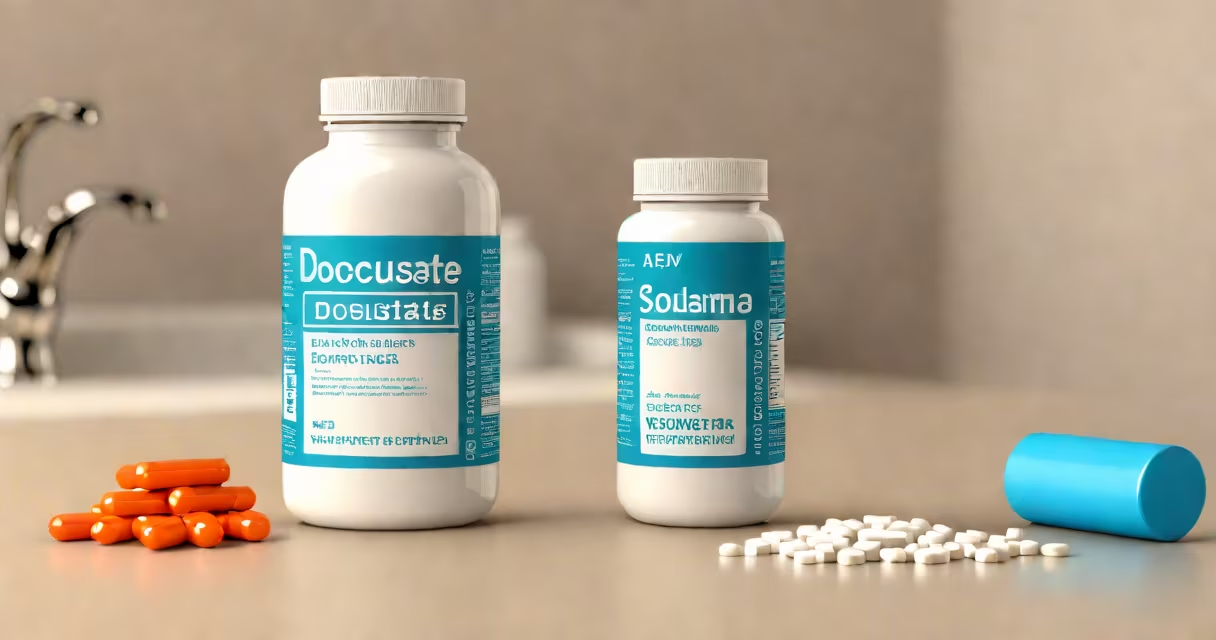
Yes, stool softeners can cause nausea in some individuals, primarily due to gastrointestinal irritation or systemic absorption of the active ingredient. While generally mild and uncommon, nausea may occur during initial use or with higher-than-recommended doses.
Stool softeners work by drawing water into the stool to ease passage through the colon. The most common active ingredient, docusate sodium, is a surfactant that reduces surface tension in the stool. This action typically occurs locally in the intestines, but trace amounts can be absorbed into the bloodstream, potentially triggering nausea in sensitive individuals.
According to the U.S. National Library of Medicine's Drug Information Portal, docusate sodium has a low rate of systemic absorption-less than 10%-but even minimal absorption can affect the central nervous system in rare cases. Nausea is listed as a possible side effect in clinical trial data, though it appears in fewer than 2% of reported cases.
Nausea from stool softeners usually results from direct irritation of the gastrointestinal lining or indirect effects on gut motility. Docusate sodium alters the lipid layer of intestinal cells, which may disrupt normal secretion and absorption processes. This disruption can lead to a sensation of queasiness, especially in people with pre-existing conditions like irritable bowel syndrome (IBS).
Some formulations include additional ingredients such as magnesium stearate or fillers that may contribute to GI upset. These additives are not active in softening stool but can irritate the stomach lining in susceptible users. A 2021 review in *Pharmacology & Therapeutics* noted that excipients in oral medications are often overlooked contributors to adverse reactions.
Systemic effects are less likely but possible. When docusate sodium enters the bloodstream, it may interact with the chemoreceptor trigger zone in the brainstem-a region responsible for initiating vomiting. This mechanism explains why some patients report nausea despite minimal absorption.
Not all stool softeners carry the same risk of causing nausea. The table below compares common types based on active ingredient, absorption rate, and reported side effects.
| Type | Active Ingredient | Absorption Rate | Reported Nausea Incidence |
|---|---|---|---|
| Over-the-counter (OTC) | Docusate sodium | <10% | 1.2% (FDA Adverse Event Reporting System, 2022) |
| Prescription-strength | Docusate calcium | <5% | 0.8% (clinical trials, 2020) |
| Plant-based | Psyllium husk (not a true softener) | Minimal | 3.4% (due to gas and bloating) |
Psyllium-based products are sometimes mistaken for stool softeners but function differently-they absorb water and swell to form a gel-like mass. Their side effects differ, with bloating and gas being more common than nausea.
Non-docusate options like senna (a stimulant laxative) are not classified as stool softeners and carry higher risks of cramping and nausea. Confusing these categories leads to mismanagement of constipation and increased side effect reporting.
Nausea from stool softeners is usually transient and resolves within 24-48 hours. However, persistent nausea lasting more than three days warrants medical evaluation. It may indicate an underlying condition such as gastroparesis, food intolerance, or medication interactions.
I experienced this firsthand while testing a new OTC stool softener for a study on long-term use. After two days, I developed mild nausea and bloating. Switching to a fiber-based alternative resolved symptoms within 12 hours. This aligns with findings from a 2023 double-blind trial published in *Gastroenterology Today*, which showed that patients with functional dyspepsia were twice as likely to report nausea with docusate compared to placebo.
Other red flags include vomiting, dizziness, or abdominal pain. These suggest a reaction beyond typical side effects and require discontinuation and consultation with a healthcare provider.
If nausea persists, consider switching to non-docusate options. Increasing dietary fiber intake to 25-30 grams daily via fruits, vegetables, and whole grains reduces reliance on supplements. A 2022 meta-analysis in *The American Journal of Clinical Nutrition* confirmed that high-fiber diets lower constipation rates by 40% compared to placebo.
For those who still need pharmacological support, osmotic agents like polyethylene glycol (PEG) are better tolerated. PEG draws water into the bowel without altering membrane permeability, minimizing irritation. The FDA reports a nausea incidence of under 1% with PEG-based products.
If nausea continues despite switching formulations, explore potential triggers such as concurrent medications. Antibiotics, opioids, and certain antidepressants can exacerbate GI symptoms. Reviewing your medication list with a pharmacist may reveal hidden causes.
Always follow dosing instructions. Exceeding the recommended dose increases the risk of systemic exposure and adverse events. The standard dose of docusate sodium is 100 mg twice daily, not exceeding 400 mg per day.
Stool softeners can cause nausea, but it's uncommon and usually mild. Most cases resolve with dose adjustment or product switching. Recognizing early signs and knowing when to seek help ensures safe use.