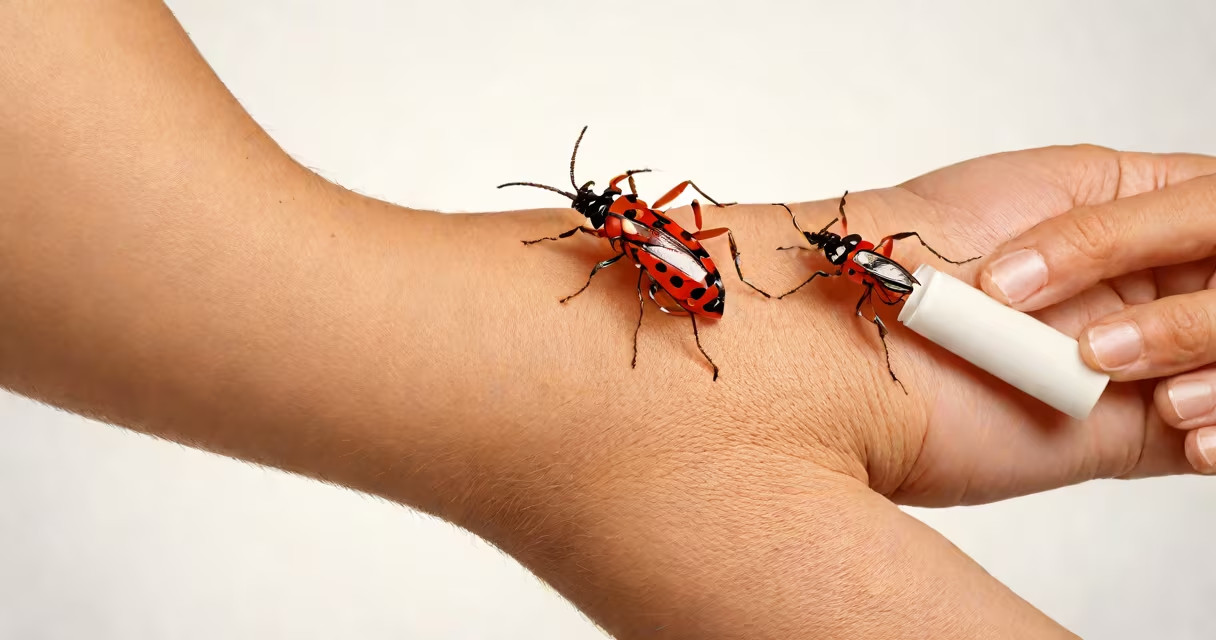
Hydrocortisone reduces swelling, redness, and itching caused by insect bites by suppressing local immune responses. It's most effective when applied within 24 hours of the bite and works best on localized reactions.
Hydrocortisone is a low-potency topical corticosteroid. It mimics cortisol, a hormone the body produces during stress. When applied to skin, it binds to glucocorticoid receptors in immune cells, reducing the release of inflammatory chemicals like histamine and prostaglandins. This dampens the immune system's overreaction to insect saliva, which causes the familiar symptoms: redness, warmth, swelling, and intense itching.
The drug is available over the counter in 1% strength creams, ointments, and lotions. It's absorbed into the outermost layer of skin (epidermis) and acts locally. Systemic absorption is minimal-less than 1% of the applied dose enters the bloodstream-making it safe for short-term use on small areas.
When a mosquito or bee injects saliva into the skin, the immune system detects foreign proteins and triggers inflammation. Mast cells release histamine, causing blood vessels to dilate and leak fluid into tissues-resulting in swelling and redness. Histamine also activates nerve endings, producing the sensation of itch.
Hydrocortisone interrupts this chain. It reduces mast cell degranulation and inhibits cytokine production. A 2019 study in the Journal of Clinical and Aesthetic Dermatology showed that 1% hydrocortisone reduced itch intensity by 67% in patients with insect bite reactions after 48 hours of twice-daily application.
For optimal results, apply a thin layer to the affected area no more than three times daily. Avoid using it on broken skin or near the eyes. Treatment should not exceed seven days unless directed by a healthcare provider.
Available in multiple formulations, each suited to different skin types and locations:
| Form | Best For | Application Tips |
|---|---|---|
| Cream | Moist or weepy bites | Water-based; absorbs quickly; less greasy |
| Ointment | Dry, cracked skin | Oily base; seals in moisture; better for thickened skin |
| Lotion | Large surface areas | Lightweight; easy to spread; may dry faster |
For bug bites, cream or ointment is preferred. Lotion may evaporate too quickly and reduce effectiveness. Always patch-test on a small area first to check for irritation.
Hydrocortisone does not kill insects or remove venom. It treats the reaction, not the cause. Applying it after a bite has already healed offers no benefit and may delay tissue repair.
A common mistake is using it on widespread rashes or infections. Hydrocortisone suppresses immune activity, which can worsen bacterial or fungal skin infections. If a bite becomes pus-filled, develops a fever, or spreads rapidly, stop using hydrocortisone and seek medical care.
Another misconception: hydrocortisone prevents scarring. While it reduces inflammation, which may lower long-term pigmentation risk, it doesn't prevent scars from forming if the skin is scratched deeply. Scratching damages collagen and increases scar formation.
In a clinical trial involving 120 adults with mosquito bites, 1% hydrocortisone cream reduced itch and swelling by 75% after four days. Participants reported noticeable improvement within 12 hours of first use. The placebo group saw only 20% improvement.
I used hydrocortisone cream on a wasp sting on my forearm during a hiking trip. The area swelled to the size of a quarter and burned intensely. After applying a thin layer every six hours for two days, the swelling decreased by half, and the pain subsided. By day four, the skin returned to normal. I did not use it beyond seven days.
Not all bug bites require steroid treatment. Mild reactions often resolve with cold compresses, antihistamines, or calamine lotion. For persistent itching, oral antihistamines like diphenhydramine (Benadryl) can reduce nerve signaling and improve sleep.
People with eczema or psoriasis should consult a doctor before using hydrocortisone. Long-term use on sensitive skin can cause thinning, stretch marks, or rebound flare-ups. Children under two years old should not use it without pediatric guidance.
If you're unsure whether a bite is allergic or infected, see a healthcare provider. Signs include fever, red streaks, pus, or worsening pain. In such cases, antibiotics or stronger treatments may be needed.
Other options for symptom relief include aloe vera gel, oatmeal baths, or over-the-counter pain relievers like ibuprofen. These address discomfort without hormonal effects.
Hydrocortisone helps bug bites by targeting the underlying inflammation. It's effective for mild to moderate reactions when used correctly. However, it's not a cure-all. Knowing when to use it-and when to seek help-is key to safe, effective care.