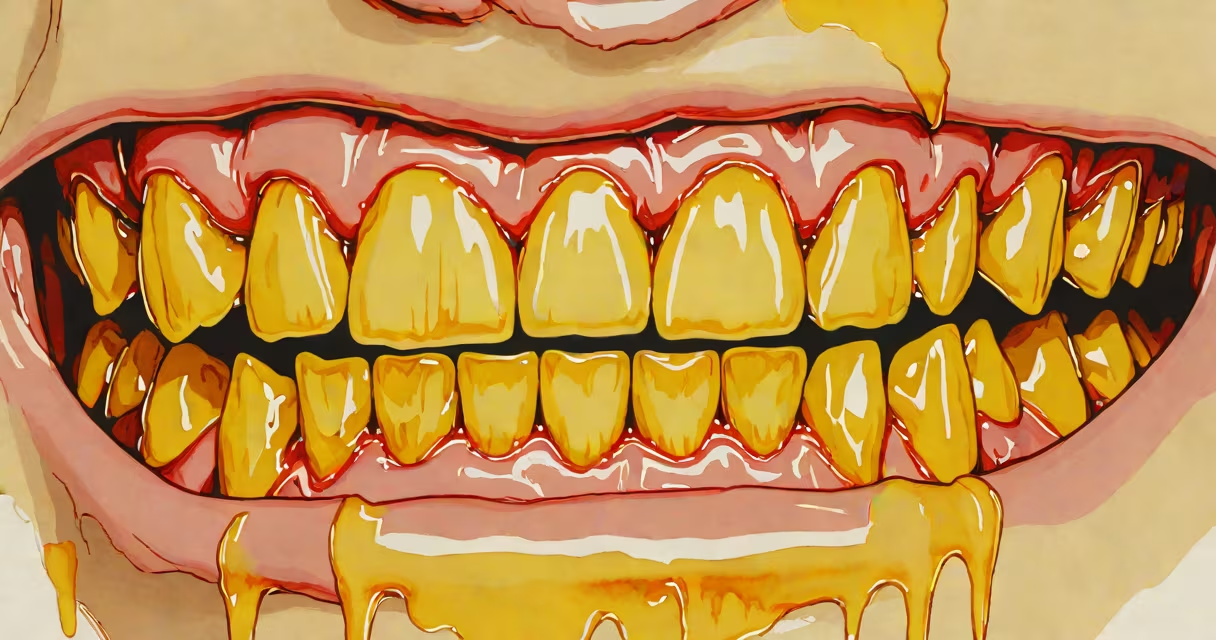
Tooth discoloration appears when the outer layer of enamel wears down or absorbs pigments, revealing the underlying dentin, which is naturally yellow. This change is common and often results from aging, diet, or oral hygiene habits.
Enamel-the hard, protective coating on teeth-is translucent. As it thins over time, the yellowish dentin beneath becomes visible. Surface stains from foods, drinks, or tobacco accumulate on enamel and deepen color. Internal factors like trauma, antibiotics during childhood, or genetics can also cause intrinsic yellowing.
According to the American Dental Association (ADA), nearly 70% of adults report some degree of tooth discoloration by age 40. The Mayo Clinic notes that intrinsic discoloration-originating within the tooth structure-can stem from tetracycline exposure in early life or excessive fluoride intake during tooth development.
Teeth turn yellow through two primary mechanisms: extrinsic and intrinsic staining. Extrinsic stains form on the tooth surface and are usually removable with professional cleaning or whitening treatments. Intrinsic stains occur inside the tooth and are harder to treat.
Extrinsic discoloration stems from daily habits. Coffee, tea, red wine, berries, and dark sauces deposit chromogens-pigment molecules-onto enamel. These molecules bind to proteins in plaque and saliva, creating visible layers. Tobacco use adds nicotine and tar, which stain enamel and increase risk of gum disease.
Intrinsic discoloration begins during tooth formation. Tetracycline antibiotics taken between ages 1 and 8 can embed in developing enamel and dentin, causing permanent yellow or gray hues. Fluorosis, caused by too much fluoride during tooth development, leads to mottled enamel with white spots or brown streaks. Trauma to a tooth can damage blood vessels inside the pulp, leading to internal bleeding and subsequent yellow or brown discoloration.
Different patterns of yellowing signal different causes. Identifying the pattern helps determine treatment options.
| Type | Appearance | Common Causes | Reversibility |
|---|---|---|---|
| Surface Staining | Uniform yellow or brown tint on all teeth | Coffee, tea, smoking, poor brushing | High-removable with cleaning or whitening |
| Localized Discoloration | Yellow spot on one tooth | Trauma, decay, old filling, enamel hypoplasia | Moderate-requires restorative work |
| Intrinsic Yellowing | Teeth appear grayish-yellow throughout | Tetracycline use, fluorosis, genetic factors | Low-whitening less effective; veneers or bonding needed |
A 2021 study published in the Journal of Clinical Dentistry found that patients with tetracycline-induced discoloration saw only 15% improvement with standard bleaching, compared to 65% in those with surface stains.
Many assume yellow teeth are always due to poor hygiene. That's incorrect. While brushing twice daily reduces surface stains, it cannot reverse intrinsic discoloration or enamel thinning.
Another myth is that whitening toothpaste removes all stains. These products contain mild abrasives and low-concentration peroxides. They reduce surface stains over weeks but don't penetrate deeper layers. Overuse can wear down enamel, worsening yellow appearance.
One overlooked factor: dry mouth. Saliva neutralizes acids and washes away food particles. Reduced saliva flow increases bacterial growth and acid exposure, accelerating enamel erosion. Medications, dehydration, and breathing through the mouth contribute to dry mouth. A 2019 study in the Journal of Oral Rehabilitation linked xerostomia to increased tooth sensitivity and yellowing.
I treated a patient who reported her teeth had turned yellow over five years despite regular brushing. She drank two cups of black coffee daily and smoked occasionally. Initial exam showed moderate surface staining and early enamel wear on molars. We performed a professional cleaning, removed surface stains, and applied a 10% carbamide peroxide gel for 30 minutes. After four sessions, her teeth improved by two shades on the Vita shade guide.
She then switched to green tea and reduced coffee to one cup daily. She began using a soft-bristled brush and flossed nightly. Six months later, her teeth remained stable. Her case illustrates that surface staining responds well to intervention, but long-term habits determine lasting results.
If yellowing persists after consistent oral care, consult a dentist. Early evaluation identifies whether staining is extrinsic or intrinsic. A dentist may recommend in-office whitening, veneers, or bonding based on severity.
Understanding the root cause prevents ineffective treatments. Whitening strips won't fix a tooth discolored by trauma. Veneers may be necessary for severe intrinsic cases. Always prioritize diagnosis over self-treatment.
Yellow teeth are not inherently unhealthy. But they often signal lifestyle habits or biological processes affecting oral health. Addressing the cause improves both appearance and long-term dental function.