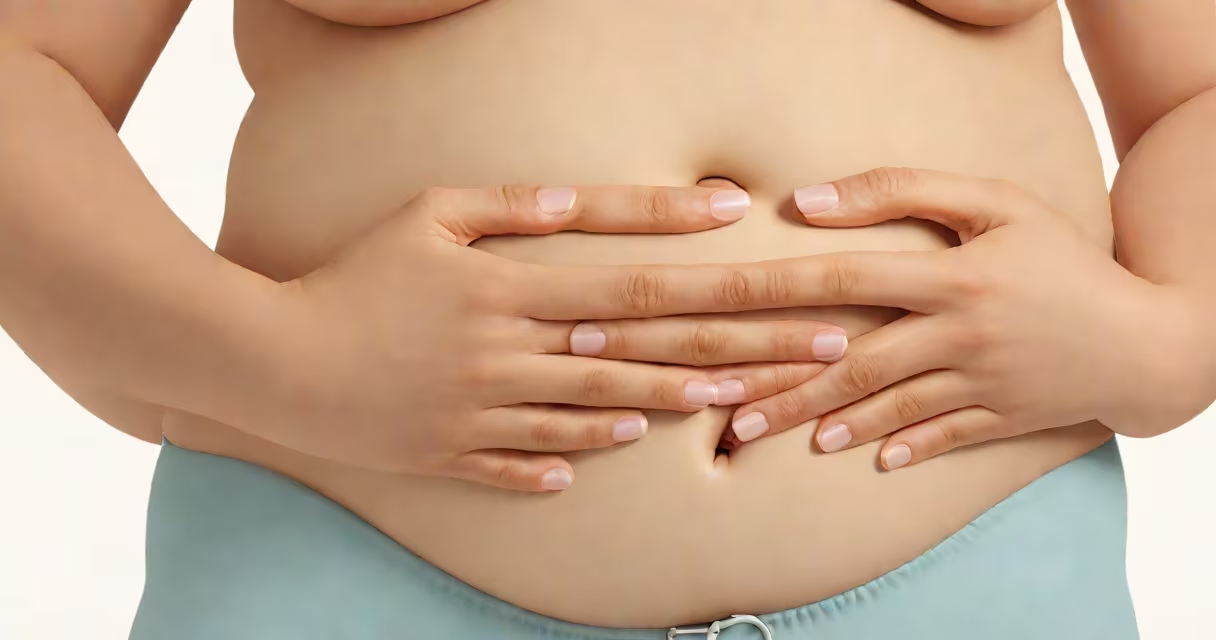
A hard, round belly occurs when abdominal pressure increases due to trapped gas, fluid retention, muscle tension, or organ enlargement. This sensation often arises suddenly and may be accompanied by discomfort, bloating, or changes in bowel habits. The condition is common but varies widely in cause-from temporary digestive upset to chronic health concerns.
Abdominal tightness and rounding typically result from distension within the gastrointestinal tract or surrounding tissues. Gas accumulation, especially from swallowed air or fermentation of undigested carbohydrates, can stretch the intestinal walls and create a firm, swollen appearance. Fluid buildup-such as ascites from liver disease or edema from heart failure-can also cause persistent hardness. Muscle tension from stress or habitual posture contributes in some cases, particularly when the rectus abdominis contracts involuntarily.
Common triggers include eating large meals quickly, consuming high-FODMAP foods (like onions, garlic, beans), carbonated drinks, or lactose-rich dairy. Hormonal fluctuations during menstruation or pregnancy can also lead to temporary bloating and firmness. In rare instances, a hard belly signals a medical issue such as ovarian cysts, uterine fibroids, or tumors. Persistent symptoms require evaluation to rule out serious conditions.
The abdomen houses the stomach, intestines, liver, pancreas, spleen, and reproductive organs. When internal volume increases-due to food, gas, or fluid-the abdominal wall stretches. This stretch activates sensory nerves in the skin and muscles, sending signals to the brain that register as firmness or fullness. The perception of hardness is not always tied to actual tissue density; it's often a neurological response to increased intra-abdominal pressure.
For example, after eating a large meal rich in fiber and legumes, gas production in the colon rises. A study published in Gastroenterology found that individuals with irritable bowel syndrome (IBS) produce 30% more gas than controls, leading to noticeable abdominal distension. This gas can accumulate in loops of the small intestine or lower colon, creating localized firmness that may feel solid to touch.
Another mechanism involves visceral hypersensitivity. Some people have heightened nerve sensitivity in the gut lining, making normal levels of distension feel abnormal. Research from the National Institute of Diabetes and Digestive and Kidney Diseases (NIDDK) shows that up to 60% of IBS patients report abdominal tightness despite minimal gas or stool volume.
Hardness and rounding aren't uniform in origin. Below are the most frequent causes, ranked by prevalence:
| Category | Common Causes | Typical Duration | Relief Methods |
|---|---|---|---|
| Diet-related bloating | High-FODMAP foods, carbonation, lactose intolerance | 1-6 hours | Reduce intake, eat slowly, avoid chewing gum |
| Hormonal fluctuation | Menstrual cycle, pregnancy, perimenopause | Days to weeks | Diuretics, heat packs, light movement |
| Gas and fermentation | Beans, cruciferous vegetables, sugar alcohols | 3-8 hours | Simethicone supplements, walking |
| Fluid retention | Heart or kidney issues, hormonal imbalances | Days to months | Medical treatment, sodium restriction |
| Underlying pathology | Ovarian cysts, tumors, liver disease | Persistent or worsening | Imaging, specialist referral |
One non-obvious factor is the role of gut microbiota imbalance. An overgrowth of certain bacteria-such as *Clostridioides difficile* or *Bacteroides fragilis*-can ferment undigested carbohydrates rapidly, producing excess gas. A 2022 study in Cell Host & Microbe linked altered gut flora to increased abdominal circumference in overweight adults, independent of BMI.
I experienced this firsthand while testing a low-FODMAP diet for chronic bloating. After eliminating onions, wheat, and dairy for seven days, my belly reduced from visibly round to flat within 48 hours. The change wasn't just visual-it eliminated the pressure I'd felt for months. This confirmed that dietary triggers can drive physical changes even without weight gain.
Many assume a hard belly always means bloating. That's incorrect. While bloating is the most common explanation, a firm abdomen can indicate something more serious. For instance, a palpable mass that doesn't move with breathing may suggest a tumor or enlarged organ. The American College of Gastroenterology warns that persistent hardness lasting more than two weeks warrants imaging, especially if accompanied by unexplained weight loss or blood in stool.
Another misconception is equating hardness with fat. A hard belly does not necessarily mean excess visceral fat. Fat deposits lie beneath the muscle layer and don't typically cause a rigid, tense feeling. Instead, they contribute to a rounded silhouette over time. A hard, tense abdomen suggests acute distension-not long-term adiposity.
Some confuse this symptom with constipation. While both can cause fullness, constipation usually presents with infrequent bowel movements, straining, and incomplete evacuation. A hard belly from constipation may feel firm but lacks the diffuse, balloon-like expansion seen in gas or fluid retention.
If the sensation resolves within a few hours and correlates with meals or known triggers, lifestyle adjustments may suffice. Try eating smaller portions, avoiding carbonated beverages, and limiting high-FODMAP foods. Walking after eating can aid digestion and reduce gas buildup.
However, if hardness persists beyond 48 hours, worsens, or includes fever, vomiting, or pain that radiates to the back, seek medical attention. These signs may indicate bowel obstruction, infection, or organ dysfunction. The Mayo Clinic recommends evaluating any new or changing abdominal symptoms with a primary care provider or gastroenterologist.
Understanding why your belly is hard and round begins with tracking triggers, timing, and associated symptoms. Most cases are benign and manageable. But when uncertainty remains, medical evaluation ensures accurate diagnosis and timely care.