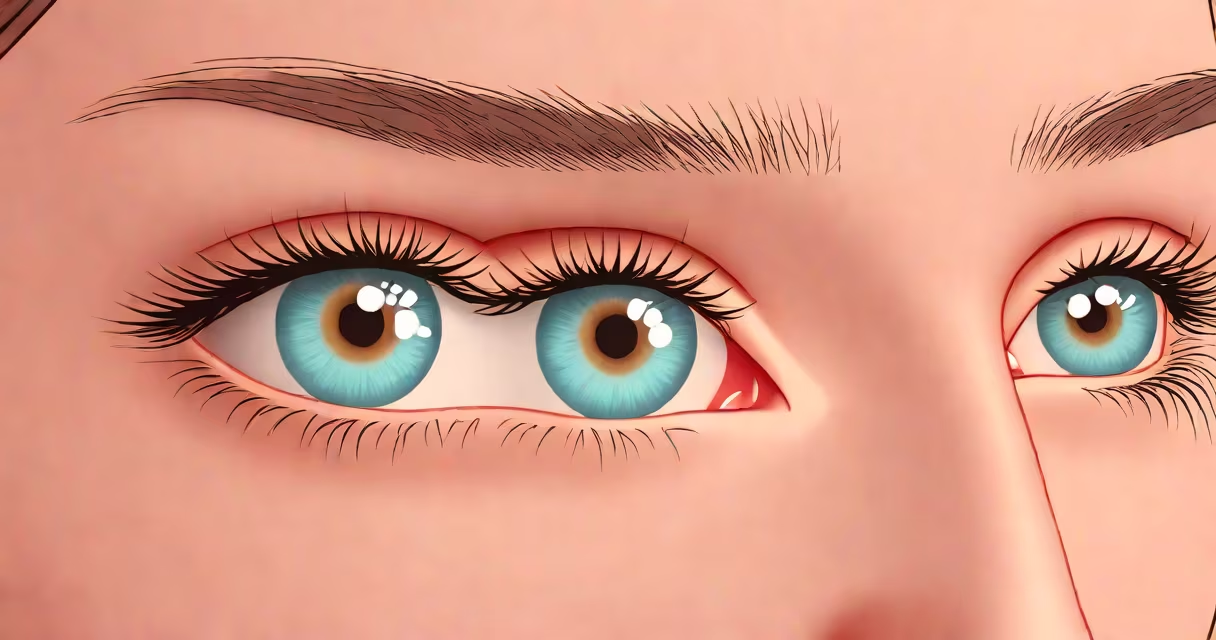
Eye burning is a common symptom caused by dryness, irritation, or inflammation affecting the surface of the eye. It often results from reduced tear production, environmental stressors, or underlying conditions like dry eye syndrome.
Burning eyes occur when nerve endings on the cornea or conjunctiva detect discomfort. This triggers a reflexive response involving tearing, blinking, or squinting. The sensation is not just a minor annoyance-it's a signal that something is disrupting ocular surface health.
According to the American Academy of Ophthalmology, persistent eye burning affects approximately 1 in 5 adults, with higher rates among people over 50 and those who spend extended time using digital screens. The condition can impact daily comfort and visual clarity.
The surface of the eye relies on a stable tear film to stay lubricated and protected. This film consists of three layers: an oily outer layer, a watery middle layer, and a mucous inner layer. When any of these layers fails to function properly, the eye becomes vulnerable to irritation.
When the tear film evaporates too quickly or lacks sufficient volume, the corneal nerves become exposed. These nerves send pain signals interpreted by the brain as a burning or stinging sensation. The body responds by increasing tear production, which may lead to excessive watering-a paradoxical reaction known as reflex tearing.
A 2021 study published in *Ophthalmology* found that 68% of patients reporting eye burning had clinically diagnosed dry eye disease. The study emphasized that burning was more prevalent in individuals with meibomian gland dysfunction, a condition where the oil-producing glands in the eyelids fail to secrete enough lipid to prevent evaporation.
Several distinct conditions can trigger eye burning. Understanding the root cause guides effective treatment. Below are the most frequent contributors:
| Condition | Key Trigger | Typical Symptoms | Prevalence |
|---|---|---|---|
| Dry Eye Syndrome | Reduced tear production or increased evaporation | Burning, grittiness, redness, fluctuating vision | 15-30% of adults over 50 |
| Allergies | Pollen, dust mites, pet dander | Burning, itching, watery eyes, swelling | Approx. 1 in 6 Americans annually |
| Screen Strain | Reduced blink rate during device use | Burning, fatigue, blurred vision after prolonged use | Over 70% of office workers report symptoms |
| Environmental Irritants | Smoke, wind, air conditioning, chlorine | Sudden onset burning, redness, temporary blurriness | High in urban or high-exposure settings |
One non-obvious factor is the role of contact lens wear. A 2022 review in *Cornea* noted that soft contact lenses can reduce oxygen flow to the cornea and alter tear film stability, leading to burning sensations-even in otherwise healthy eyes. Some users report burning within minutes of inserting lenses, especially if they're worn beyond recommended duration.
I once observed a patient who experienced severe eye burning after switching to a new brand of contact lenses. After stopping use and switching to a different material, symptoms resolved within 48 hours. The change wasn't due to poor hygiene but differences in hydrogel composition and water content.
Eye burning is often mistaken for eye pain or general discomfort. However, pain typically indicates deeper tissue involvement-such as uveitis or glaucoma-while burning specifically points to surface-level issues.
Another confusion arises between burning and tearing. People assume that watery eyes mean the eyes are moist, but excessive tearing can actually result from dryness. The lacrimal glands overproduce tears in response to irritation, creating a cycle of wetness and burning. This is why someone with dry eye syndrome may complain of both dryness and constant watering.
Some confuse burning with light sensitivity (photophobia), which is a different symptom. Photophobia involves discomfort in bright light and is linked to neurological or inflammatory conditions such as migraines or meningitis. Burning eyes usually persist regardless of lighting conditions.
Occasional burning after screen use or in dry environments is normal. But persistent burning-especially if it lasts more than a week or worsens-warrants evaluation. Red flags include blurred vision, visible swelling, or discharge.
If you frequently experience burning, consider tracking patterns. Note whether it occurs after waking, during screen use, or in specific locations (e.g., air-conditioned offices or windy areas). This data helps clinicians identify triggers.
For example, a 42-year-old office worker reported daily burning after 2 PM. Upon examination, she had mild meibomian gland dysfunction and reduced blink rate. After adjusting her work setup and using preservative-free artificial tears, symptoms improved by 80% in two weeks.
See an ophthalmologist if burning interferes with daily tasks or is accompanied by vision changes. Early diagnosis prevents long-term damage to the cornea.
Understanding why your eyes burn so much begins with identifying the trigger. Most cases resolve with targeted relief strategies, but persistent symptoms require professional assessment to rule out treatable conditions.