Tooth pain from cold things occurs when the dentin layer beneath the enamel is exposed, allowing temperature changes to stimulate nerve endings inside the tooth. This condition, known as tooth sensitivity, affects nearly half of adults at some point.
Dentin is the layer beneath the enamel that surrounds the pulp, where nerves live. When enamel wears down or gums recede, dentin becomes accessible. Cold stimuli-like ice water, frozen treats, or cold air-trigger sharp, sudden pain because they rapidly cool the fluid inside tiny tubules in the dentin, causing pressure shifts that activate nerves.
According to the American Dental Association (ADA), enamel erosion and gum recession are the most common causes of exposed dentin. A 2021 study published in the Journal of Clinical Dentistry found that 37% of adults aged 30-60 reported cold-induced tooth pain, with higher rates among those who brush too hard or consume acidic foods.
When cold hits exposed dentin, it causes fluid in the microscopic tubules within the dentin to contract. This movement creates pressure changes that stimulate sensory nerves in the pulp chamber. The brain interprets this signal as sharp pain, often described as a jolt or electric shock.
This process is called the hydrodynamic theory of tooth sensitivity. It explains why cold, heat, sweet, or even air can trigger pain-it's not the temperature itself, but the fluid movement in dentinal tubules that activates nerves.
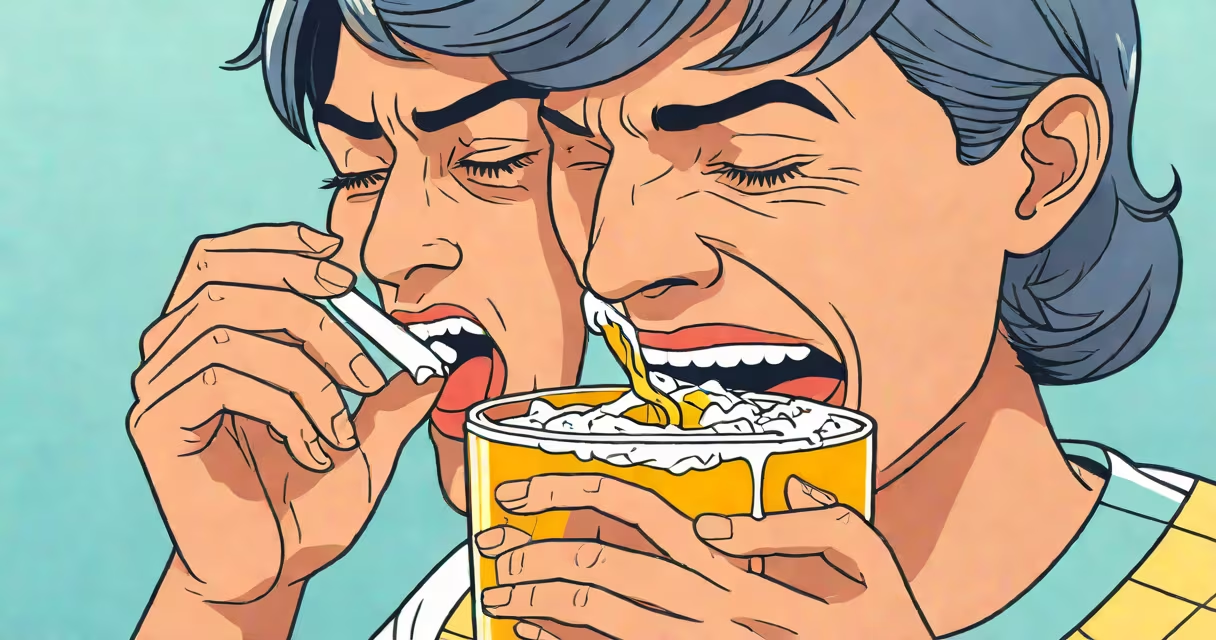
A real-world example: someone sips icy lemonade. The cold liquid enters the mouth, contacts a tooth with worn enamel near the gumline, and triggers a brief but intense pain lasting 3-5 seconds. The sensation stops when the stimulus ends, but it may recur with each cold contact.
Exposure of dentin leads to two primary types of cold sensitivity:
Other contributors include:
Non-dental causes are rare but possible. For example, trigeminal neuralgia-a nerve disorder-can mimic cold sensitivity. However, this condition typically causes prolonged, stabbing pain unrelated to temperature, and usually affects one side of the face.
Cold sensitivity is not the same as a cavity. Cavities involve decayed tissue and often cause constant pain, especially when biting. Cold sensitivity, by contrast, is temporary and triggered only by cold stimuli.
Many assume that sensitivity means "bad teeth." But it's a symptom, not a diagnosis. A 2020 survey by the ADA found that 68% of people with sensitive teeth had no cavities or major structural damage-just exposed dentin.
Another myth: brushing harder cleans better. Aggressive brushing damages enamel and accelerates gum recession. The ADA recommends using a soft-bristled toothbrush and gentle circular motions to avoid harm.
If cold things hurt your teeth, start with a dental evaluation. A dentist can identify whether the issue stems from enamel loss, gum recession, or a crack. They may recommend desensitizing toothpaste, fluoride varnish, or a night guard if bruxism is involved.
For immediate relief, try a toothpaste containing potassium nitrate or stannous fluoride. These ingredients block nerve signals in the dentin. Clinical trials show a 60% reduction in cold sensitivity after four weeks of twice-daily use.
At home, avoid acidic foods and drinks, limit ice consumption, and wait 30 minutes after eating before brushing. This allows saliva to neutralize acids and remineralize enamel.
Remember: cold-induced tooth pain is treatable. Most cases improve with proper care, consistent oral hygiene, and professional guidance.