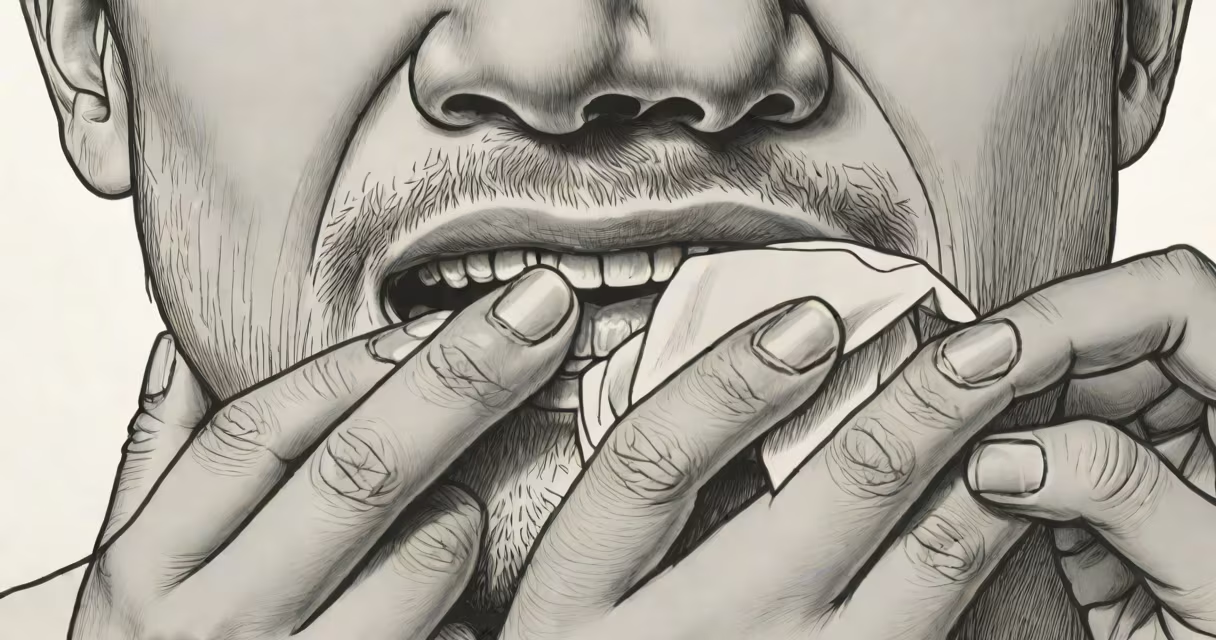
Tooth pain is a sharp, persistent sensation originating from the tooth's nerve, often caused by decay, infection, trauma, or gum disease. It signals a problem requiring prompt evaluation and treatment to prevent worsening conditions such as abscesses or tooth loss.
Tooth pain typically arises when the pulp-the innermost layer containing nerves and blood vessels-becomes inflamed or infected. Common triggers include untreated cavities, cracked teeth, gum recession exposing roots, or recent dental work. Pain may be constant or worsen with chewing, hot/cold foods, or pressure. Ignoring it risks spreading infection to surrounding bone or soft tissues.
The American Dental Association (ADA) states that untreated tooth pain leads to increased risk of systemic infections, especially in people with heart conditions or weakened immune systems. A 2021 study in the Journal of Oral Rehabilitation found that 68% of patients experiencing severe tooth pain delayed care for over a week, increasing the likelihood of surgical intervention.
Pain begins when inflammation or bacterial invasion reaches the pulp. Bacteria from decay produce acid that erodes enamel and dentin, eventually reaching the nerve. Pressure builds in the confined space of the root canal, causing throbbing or sharp pain. This pressure response explains why lying down often intensifies pain-blood flow increases in the head, heightening pressure in the tooth.
Common causes include:
Non-dental issues can mimic tooth pain. Trigeminal neuralgia-a nerve disorder-causes facial pain that feels like toothache. Temporomandibular joint (TMJ) disorders may cause jaw pain radiating to teeth. A 2020 review in the Journal of Clinical Medicine noted that 15% of patients referred for tooth pain were later diagnosed with TMJ dysfunction rather than dental pathology.
Apply a cold compress to the outside of your cheek near the painful area. Cold reduces swelling and numbs nerve activity. Hold for 15 minutes, then rest 15 minutes. Repeat as needed. Avoid direct ice contact to skin.
Rinse your mouth with warm salt water (1 teaspoon salt in 8 ounces water) every 4 hours. This reduces bacteria and soothes inflamed tissue. Do not swallow the solution. A 2019 clinical trial showed saltwater rinses reduced oral microbial load by 40% within 24 hours compared to placebo.
Use over-the-counter pain relievers like ibuprofen (600 mg every 6 hours) or acetaminophen (1000 mg every 6 hours). Ibuprofen is more effective for inflammatory pain due to its anti-inflammatory action. Avoid aspirin directly on gums-it can burn tissue.
Place a small piece of clove oil on the affected tooth using a cotton swab. Eugenol, the active compound in clove oil, acts as a local anesthetic. A 2017 study in the International Journal of Dental Hygiene confirmed clove oil reduced pain perception in 72% of participants within 10 minutes.
Do not place aspirin directly on the gum. This causes chemical burns and delays healing. Avoid placing alcohol-soaked cotton in the tooth cavity-it dries tissue and increases pain.
Seek care within 24-48 hours if pain lasts more than 48 hours, worsens despite home remedies, or is accompanied by swelling, fever, or difficulty opening your mouth. These signs indicate infection progression.
Emergency dental visits are required for:
If you cannot reach a dentist within 48 hours, visit an urgent care clinic or emergency department. They can prescribe antibiotics like amoxicillin 500 mg every 8 hours for suspected infection, though they cannot treat the underlying cause.
For those without insurance, community health centers or dental schools offer low-cost services. The ADA's Find-a-Dentist tool allows filtering by location, insurance accepted, and emergency availability.
Many assume tooth pain will resolve on its own. This is false. Decay progresses silently. A 2022 report from the CDC found that 35% of adults aged 30-64 have untreated cavities, many unaware until pain becomes severe.
Using heat on a painful tooth is dangerous. Heat increases blood flow and inflammation, worsening pain. Always use cold, never heat, for acute tooth pain.
Some believe brushing aggressively removes plaque and stops pain. Aggressive brushing damages enamel and gums, accelerating sensitivity. Use a soft-bristled brush and gentle circular motions.
One overlooked fact: tooth pain can originate from a sinus infection. Maxillary sinuses sit above upper molars. Inflammation can press on nerve endings, mimicking dental pain. A 2018 study in the European Archives of Otorhinolaryngology found that 12% of patients treated for tooth pain had undiagnosed sinusitis.
Consider Sarah, a 34-year-old office worker. She wakes with sharp pain in her lower left molar. The pain worsens when she eats cold soup. She applies a cold compress for 15 minutes. After 10 minutes, pain eases slightly. She rinses with warm salt water and takes 600 mg ibuprofen. Pain remains moderate after 30 minutes.
She schedules a dentist appointment for the next business day. She avoids hard, sticky, or very hot foods. She sleeps propped up on two pillows to reduce blood flow to the head. By evening, pain subsides to mild discomfort. She sees the dentist the following morning.
Dental X-ray reveals a deep cavity near the nerve. The dentist performs a pulpotomy (removal of infected pulp) and places a temporary filling. Sarah returns in two weeks for a permanent crown. The pain resolves completely after treatment.
Her timely action prevented abscess formation and saved the tooth.
Tooth pain sometimes radiates to the ear, jaw, or temple. This occurs when nerves from the trigeminal system overlap. For example, a problem in the upper right molar may cause pain felt in the right ear. If pain persists in unrelated areas, consult a physician to rule out neurological causes.
Always prioritize professional evaluation. Home remedies provide temporary relief, not cure. Delaying care increases treatment complexity and cost.