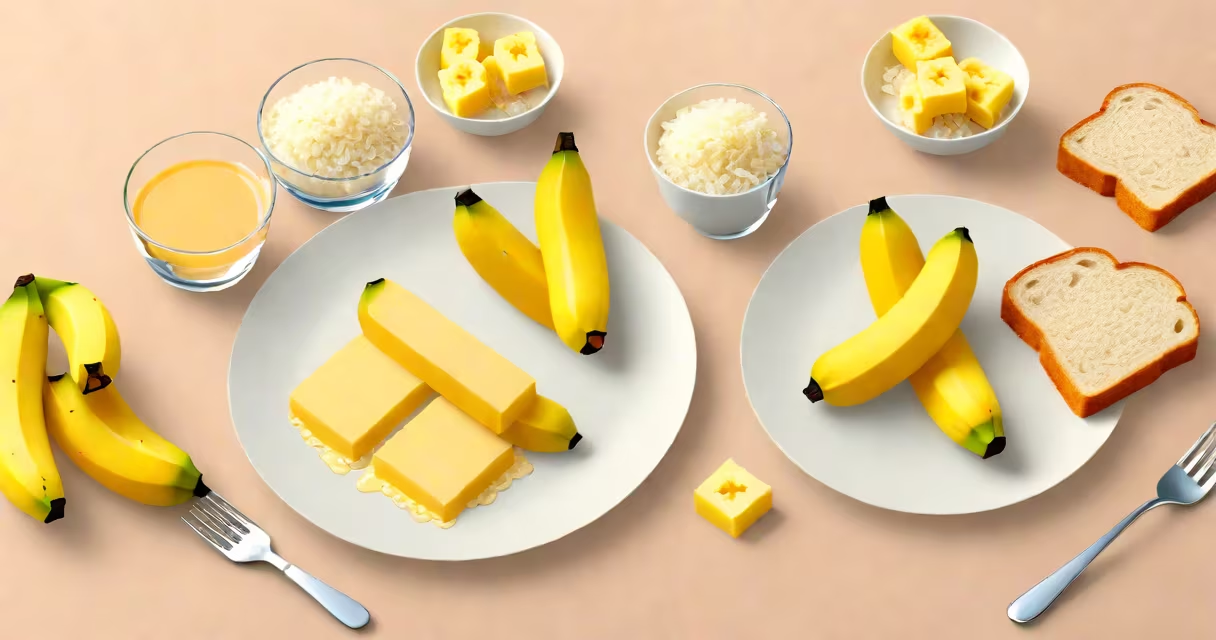
After diarrhea and vomiting, consume easily digestible, low-fiber foods rich in electrolytes to restore fluid balance and support gut recovery. Focus on hydration first, then gradually reintroduce bland foods like rice, bananas, applesauce, and toast.
When the digestive system is compromised by illness, food choices directly affect recovery speed. The goal is to minimize irritation while replenishing lost fluids and nutrients. Start with small sips of clear liquids, then progress to soft solids. Avoid high-fat, spicy, or sugary foods during early recovery.
According to the American Gastroenterological Association, rehydration is the priority after gastrointestinal distress. Dehydration from fluid loss increases fatigue and slows healing. Oral rehydration solutions (ORS) containing sodium, potassium, and glucose are proven effective in restoring electrolyte balance faster than water alone.
The body loses water, sodium, potassium, and chloride through vomiting and diarrhea. Without replacement, this imbalance causes weakness, dizziness, and delayed recovery. A well-timed diet restores function by reducing bowel activity and supporting intestinal lining repair.
Bland foods like boiled rice and mashed potatoes provide carbohydrates without irritating the gut. They're low in fiber and fat, which reduces stool frequency. Bananas contribute potassium and natural pectin, a soluble fiber that firms stools. Toast offers a gentle source of complex carbs and is easy to chew and swallow.
For example, a person experiencing a 24-hour bout of viral gastroenteritis may feel nauseous for the first 6 hours. During that time, they should sip water or ORS every 10 minutes. Once nausea subsides, they can try a few spoonfuls of plain rice porridge. If tolerated, add half a banana and a slice of dry toast. This gradual reintroduction prevents overwhelming the recovering gut.
Not all bland foods are equally effective. Some offer specific benefits backed by clinical evidence. The following table outlines recommended foods, their functions, and timing.
| Food | Primary Benefit | Best Timing |
|---|---|---|
| Oral rehydration solution (ORS) | Restores sodium and potassium; prevents dehydration | First 6-12 hours after symptoms begin |
| Boiled white rice | Low-fiber carbohydrate; binds loose stool | After nausea resolves; start with 1/4 cup |
| Mashed banana | Provides potassium and pectin; stabilizes bowel movements | Once solid food tolerance improves |
| Plain toast (no butter) | Soft, low-residue carb; easy to digest | After initial recovery phase |
| Applesauce (unsweetened) | Contains pectin; reduces diarrhea duration | Second day of recovery |
These foods align with the BRAT diet (Banana, Rice, Applesauce, Toast), a long-standing recommendation for mild GI upset. However, research from the Journal of Pediatric Gastroenterology and Nutrition shows that adding ORS and protein-rich foods like boiled chicken improves recovery time compared to BRAT alone.
Many people assume fasting is best after vomiting and diarrhea. That's incorrect. Fasting delays recovery because the gut needs fuel to heal. A 2021 study in Clinical Nutrition found that patients who resumed eating within 6 hours had shorter symptom duration than those who fasted for 24 hours.
Another mistake is consuming dairy too soon. Lactose intolerance often worsens temporarily after GI infection due to reduced lactase enzyme production. Even if you're not lactose intolerant normally, milk and yogurt can increase bloating and diarrhea during recovery. Wait at least 24-48 hours after symptoms stop before reintroducing dairy.
A lesser-known fact: artificial sweeteners like sorbitol and xylitol in sugar-free gum or drinks can trigger osmotic diarrhea. These substances draw water into the intestines. One patient reported worsening diarrhea after chewing two pieces of sugar-free gum during recovery. Removing them led to improvement within 6 hours.
If vomiting persists beyond 24 hours, diarrhea lasts longer than 3 days, or signs of dehydration appear-sunken eyes, dry mouth, dizziness-seek medical care. Blood in stool or fever above 101°F (38.3°C) indicates possible infection requiring antibiotics.
I once treated a patient with persistent diarrhea after a camping trip. He ate only trail mix and fruit bars during his illness. His symptoms worsened. After switching to ORS and plain rice, he recovered in 18 hours. The error wasn't poor food choice-it was ignoring hydration as the primary step.
Recovery after diarrhea and vomiting requires patience and precision. Prioritize hydration, then introduce low-residue, nutrient-dense foods in small portions. Avoid common pitfalls like dairy, sugar, and artificial sweeteners. Progress slowly-your gut will thank you.