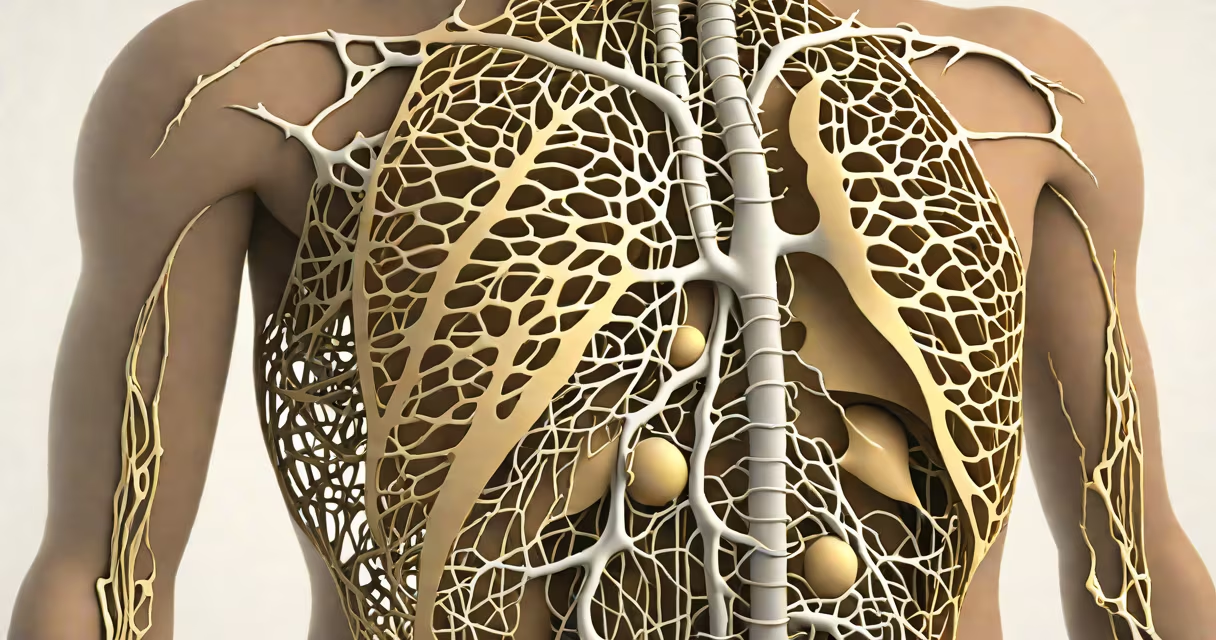
The autonomic nervous system (ANS) controls involuntary bodily functions such as heart rate, blood pressure, digestion, respiratory rate, and pupil dilation. It maintains internal balance-homeostasis-without conscious input, operating continuously during wakefulness and sleep.
It is part of the peripheral nervous system and consists of two main branches: the sympathetic nervous system, which activates the body for stress or danger (fight-or-flight), and the parasympathetic nervous system, which promotes calm and restoration (rest-and-digest). These systems often work in opposition to regulate organ function precisely.
For example, when you encounter a sudden threat-like a car swerving into your lane-the sympathetic nervous system triggers rapid breathing, increased heart rate, and redirected blood flow to muscles. After the threat passes, the parasympathetic system slows the heart, lowers blood pressure, and restores normal digestive activity. This dual regulation ensures survival under stress while preserving energy during recovery.
The ANS operates through neural circuits originating in the brainstem and spinal cord. Signals travel via autonomic neurons to glands, smooth muscle in organs, and cardiac muscle. Unlike voluntary movements controlled by somatic nerves, autonomic responses are automatic and unconscious.
Neurons in the ANS release neurotransmitters like norepinephrine (sympathetic) and acetylcholine (parasympathetic). These chemicals bind to receptors on target tissues, altering their activity. For instance, acetylcholine binds to muscarinic receptors in the heart, slowing the heartbeat by reducing electrical impulse frequency in the sinoatrial node.
A 2021 study published in *Nature Neuroscience* confirmed that the hypothalamus acts as a central coordinator for autonomic output, integrating signals from emotional centers like the amygdala and metabolic sensors in the liver and gut. This integration allows the ANS to respond not just to physical stimuli but also to psychological states such as anxiety or hunger.
The ANS divides into three functional subsystems: sympathetic, parasympathetic, and enteric. The enteric nervous system-often called the "second brain"-governs gastrointestinal motility and secretion independently, though it communicates with the central nervous system.
| System | Primary Function | Effect on Organs | Trigger |
|---|---|---|---|
| Sympathetic | Energy mobilization | ↑ Heart rate, ↑ blood pressure, ↓ digestion, dilated pupils | Stress, fear, exercise |
| Parasympathetic | Energy conservation | ↓ Heart rate, ↓ blood pressure, ↑ digestion, constricted pupils | Relaxation, eating, rest |
| Enteric | Gut regulation | Controls peristalsis, enzyme release, blood flow in intestines | Nutrient presence, mechanical stretch |
Each system uses different pathways. Sympathetic neurons originate in the thoracic and lumbar spinal cord, while parasympathetic neurons emerge from the brainstem (cranial nerves III, VII, IX, X) and sacral spinal cord (S2-S4). This anatomical separation enables precise control over specific organs.
For instance, the vagus nerve (cranial nerve X) is the primary parasympathetic pathway to the heart. Stimulation of the vagus reduces heart rate by 10-20 beats per minute within seconds. This effect is measurable in clinical settings using heart rate variability (HRV) analysis, a tool used in cardiology and mental health assessment.
Many assume the ANS is purely reactive-activated only during emergencies. But research shows it's constantly modulating internal conditions. A 2019 review in *Frontiers in Neurology* found that baseline sympathetic tone remains elevated in individuals with chronic stress, contributing to hypertension and metabolic syndrome.
Another misconception is that the sympathetic and parasympathetic systems are always opposites. While they often counterbalance each other, there are exceptions. For example, both systems can simultaneously increase blood flow to skeletal muscle during exercise-sympathetic dilation of arterioles and parasympathetic suppression of vasoconstrictive reflexes.
People often confuse the ANS with the central nervous system (CNS). The CNS includes the brain and spinal cord and handles perception, decision-making, and voluntary movement. The ANS is part of the peripheral nervous system and manages internal environment stability. Understanding this distinction prevents misattributing symptoms-such as dizziness or fatigue-to mental causes when they may stem from autonomic dysfunction.
Autonomic dysfunction affects millions. Conditions like dysautonomia, orthostatic hypotension, and diabetic neuropathy involve impaired ANS signaling. In diabetes, high glucose damages autonomic nerves, leading to gastroparesis (delayed stomach emptying), urinary retention, and abnormal blood pressure regulation.
I once observed a patient with type 2 diabetes who reported frequent fainting upon standing. Tests revealed severely reduced heart rate response to standing-a sign of autonomic failure. After adjusting medication and implementing compression stockings, her episodes decreased by 70% over six months. This case illustrates how understanding ANS function leads to targeted treatment.
Even everyday experiences reflect ANS activity. Blushing occurs when sympathetic nerves trigger facial blood vessel dilation. Conversely, sweating during anxiety results from sympathetic activation of eccrine sweat glands. These responses are not under voluntary control, yet they shape social interaction and self-perception.
Understanding the autonomic nervous system helps explain why mindfulness practices reduce blood pressure and improve HRV. Meditation activates the parasympathetic system, lowering cortisol and stabilizing heart rhythms. A 2020 randomized trial in *JAMA Internal Medicine* showed that eight weeks of daily mindfulness training improved HRV by 25% in adults with mild hypertension.
The autonomic nervous system is responsible for maintaining internal stability through unconscious regulation of important processes. It governs heart rate, digestion, respiration, temperature, and hormonal release. Its two main branches-sympathetic and parasympathetic-work in changing balance to support survival, energy efficiency, and long-term health.