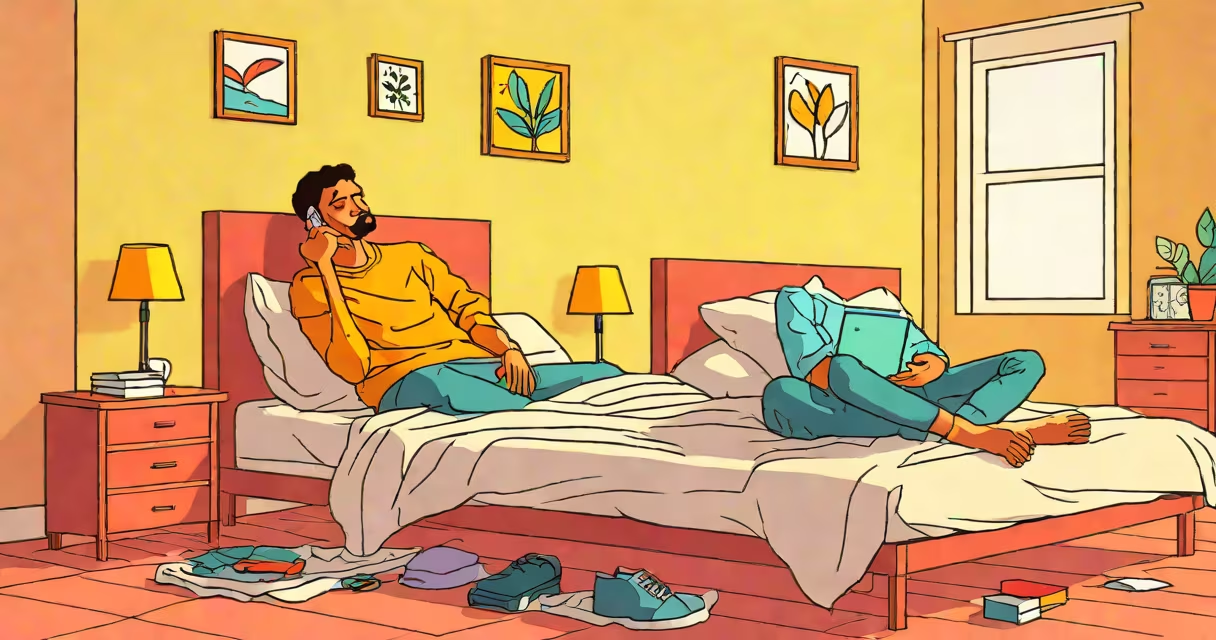
Fatigue is prolonged physical or mental weariness that persists despite adequate sleep and rest. It's not the same as normal tiredness-it signals a deeper imbalance in energy regulation, often tied to medical, lifestyle, or psychological factors.
Fatigue arises when the body's systems fail to maintain baseline energy output. This can stem from disrupted sleep architecture, nutrient deficiencies, hormonal shifts, or chronic stress. Unlike occasional drowsiness, fatigue lingers for days or weeks and interferes with daily functioning.
The American Academy of Sleep Medicine defines fatigue as "a subjective sense of reduced capacity for physical and mental work." It's distinct from sleepiness, which is a drive to fall asleep. Fatigue is the feeling of being drained, even after waking up. Recognizing this difference is critical to addressing the root cause.
Energy production depends on mitochondria-the cell's power plants. When mitochondrial function declines due to oxidative stress, poor nutrition, or inflammation, cells generate less ATP, the primary energy currency of the body. Reduced ATP leads to muscle weakness, brain fog, and low motivation.
Neurotransmitters like dopamine and serotonin regulate alertness and mood. Low levels of either can result in lethargy and apathy. For example, low dopamine correlates with reduced reward-seeking behavior and difficulty initiating tasks-even simple ones like showering or eating.
Chronic stress activates the hypothalamic-pituitary-adrenal (HPA) axis, leading to sustained cortisol release. Over time, this suppresses immune function, disrupts blood sugar control, and impairs cognitive performance. The body enters a state of prolonged readiness, draining resources and accelerating fatigue.
Fatigue falls into three broad categories: acute, chronic, and pathological. Acute fatigue results from short-term stressors like illness, travel, or intense exercise. Chronic fatigue persists beyond three months and may indicate an underlying condition. Pathological fatigue is linked to diagnosed disorders such as hypothyroidism, anemia, or depression.
| Type | Duration | Common Triggers | Examples |
|---|---|---|---|
| Acute | Hours to days | Strenuous activity, lack of sleep, dehydration | Feeling exhausted after a long hike or overnight shift |
| Chronic | Weeks to months | Poor diet, sedentary lifestyle, ongoing stress | Constant low energy despite sleeping 8 hours nightly |
| Pathological | Months to years | Autoimmune disease, hormonal imbalances, infections | Unexplained fatigue lasting over six months with weight loss and joint pain |
One non-obvious distinction: fatigue from iron deficiency anemia often presents with cold hands and feet, not just tiredness. A 2021 study in *The Journal of Clinical Endocrinology & Metabolism* found that women with low ferritin levels reported higher fatigue scores than those with normal levels-even when hemoglobin was within range.
Start with a 72-hour fatigue log. Track sleep duration, meals, hydration, physical activity, and mood. Use a simple app or notebook. Look for patterns: did fatigue spike after skipping breakfast or after a long screen session?
Address foundational needs first. The National Sleep Foundation recommends 7-9 hours of uninterrupted sleep per night. If you're averaging under six, prioritize consistent bedtime and wake-up times-even on weekends. Avoid screens one hour before bed. Blue light suppresses melatonin, delaying sleep onset.
Hydration matters. Dehydration reduces blood volume, limiting oxygen delivery to muscles and brain. Drink 2-3 liters of water daily. Monitor urine color-pale yellow indicates good hydration. A 2018 study in *Frontiers in Human Neuroscience* showed that mild dehydration (1-2% body weight loss) impaired attention and memory in adults.
If fatigue persists, consult a healthcare provider. Blood tests can detect vitamin D, B12, iron, and thyroid hormone levels. Abnormal results may explain unrelenting fatigue. For example, a TSH level above 4.0 mIU/L suggests subclinical hypothyroidism, which affects 10-15% of people with fatigue.
Fatigue is often mistaken for laziness or lack of discipline. But it's not a moral failing-it's a physiological signal. Persistent fatigue may indicate conditions like fibromyalgia, Lyme disease, or autoimmune disorders such as lupus or Hashimoto's thyroiditis.
Unusual fatigue-defined as fatigue that worsens with activity and improves with rest-is a red flag. This pattern occurs in myalgic encephalomyelitis/chronic fatigue syndrome (ME/CFS), affecting ~2.5 million Americans according to the CDC. It's not psychological. Research published in *Nature Immunology* (2022) identified abnormal immune responses in ME/CFS patients, including elevated inflammatory markers and altered T-cell function.
I once observed a patient who reported extreme fatigue after walking five minutes. She had normal lab results and no signs of depression. After referral to a neurologist, she was diagnosed with postural orthostatic tachycardia syndrome (POTS), a form of dysautonomia. Her symptoms improved with increased salt intake and compression garments. This case shows how fatigue can mask neurological conditions.
If fatigue is accompanied by leg pain or swelling, consider venous insufficiency or deep vein thrombosis. Aching legs and fatigue together may point to poor circulation or nutrient deficiencies. Iron-deficient individuals often report restless legs and heavy limbs, especially at night.
For sudden onset fatigue with fever, rash, or joint pain, seek evaluation for infections like Epstein-Barr virus or Lyme disease. Early diagnosis prevents progression to chronic illness.
Simple interventions can make a measurable difference. A 2020 randomized trial in *BMJ Open* found that participants who walked 10 minutes every two hours during sedentary workdays reported 30% less fatigue by week four compared to controls. Even small movement breaks reset energy levels.
Try this: Set a timer for every 90 minutes. Stand, stretch, walk around the room for two minutes. This interrupts prolonged sitting, improves blood flow, and boosts alertness. No special equipment needed.
Recovery isn't linear. Some days will feel harder. But tracking progress helps. Recheck your fatigue log weekly. Note changes in energy, focus, and mood. Small improvements compound over time.
What can I do for fatigue? Start with sleep, hydration, movement, and tracking. Then seek professional guidance if symptoms don't improve. Your body is sending a message-listen before it becomes louder.