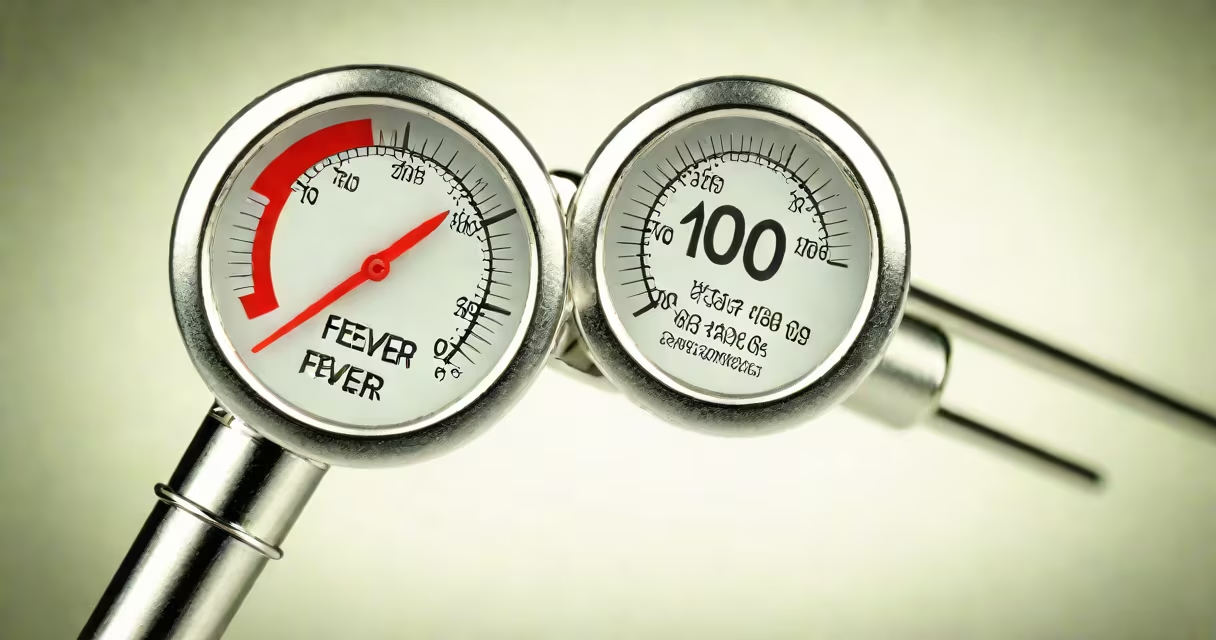
A fever is a medically recognized elevation in core body temperature exceeding 100.4°F (38°C), measured rectally, orally, or via tympanic (ear) methods. This threshold marks the point at which the body's thermoregulatory system responds to infection, inflammation, or other stimuli by raising internal heat set points.
The human body maintains a narrow thermal range-typically 97.7°F to 99.5°F (36.5°C to 37.5°C)-through complex feedback mechanisms involving the hypothalamus. When pathogens such as viruses or bacteria trigger immune signaling, cytokines like interleukin-1 and tumor necrosis factor act on the hypothalamus to increase the body's temperature set point. This rise is not merely a symptom-it is a physiological response designed to inhibit microbial growth and improve immune function.
According to the Centers for Disease Control and Prevention (CDC), a fever is confirmed when a person's temperature exceeds 100.4°F (38°C) using a reliable method. The American Academy of Pediatrics (AAP) reinforces this standard, emphasizing that oral and rectal measurements are most accurate for clinical assessment. Axillary (underarm) readings are less precise and may underestimate true core temperature by up to 0.5°F (0.3°C).
Temperature measurement method affects the reading. Rectal temperatures are considered the gold standard for infants and young children due to higher accuracy. Oral readings are typically 0.5°F to 1°F lower than rectal values. Tympanic (ear) thermometers measure infrared radiation from the eardrum and are convenient but prone to error if not positioned correctly.
For adults, a temperature of 100.4°F or higher taken orally qualifies as a fever. A reading of 100.0°F (37.8°C) orally is not classified as a fever under clinical guidelines. This distinction matters because many people assume any temperature above 100°F signals illness, but the threshold is intentionally set to avoid false alarms from normal daily fluctuations.
Environmental factors such as recent exercise, hot weather, or warm clothing can temporarily improve skin and surface readings. However, these do not reflect core temperature changes. For example, a person who just completed a 30-minute run may register 99.6°F orally, which is within normal range. A true fever requires sustained elevation above 100.4°F, especially when accompanied by symptoms like chills, fatigue, or headache.
Fever is categorized by duration and underlying cause. Acute fevers last less than 7 days and are most often due to viral infections such as influenza, rhinovirus, or SARS-CoV-2. Subacute fevers persist between 7 and 14 days and may indicate bacterial infections like urinary tract infections or early-stage tuberculosis. Chronic fevers lasting longer than 14 days require further investigation and may signal autoimmune disorders, malignancies, or chronic inflammatory conditions.
Non-infectious causes include autoimmune diseases like lupus or rheumatoid arthritis, certain medications (e.g., antipsychotics, antibiotics), and rare conditions such as histoplasmosis or sarcoidosis. In children, febrile seizures can occur during rapid temperature spikes, particularly between ages 6 months and 5 years. These are generally benign but require medical evaluation.
One common misconception is that fever itself is harmful. The National Institutes of Health (NIH) states that fever is a protective mechanism. Temperatures below 104°F (40°C) rarely cause tissue damage. In fact, research shows that mild to moderate fever enhances the activity of white blood cells and suppresses pathogen replication. High fevers above 104°F are rare and usually result from severe infections or medication reactions.
| Measurement Site | Normal Range | Fever Threshold | Notes |
|---|---|---|---|
| Rectal | 97.7-100.4°F (36.5-38°C) | ≥100.4°F (38°C) | Gold standard for infants |
| Oral | 97.7-99.5°F (36.5-37.5°C) | ≥100.4°F (38°C) | Most common in adults |
| Tympanic (ear) | 97.7-100.4°F (36.5-38°C) | ≥100.4°F (38°C) | Accuracy depends on proper placement |
| Axillary (underarm) | 96.8-99.0°F (36.0-37.2°C) | ≥100.4°F (38°C) | Least accurate; may miss low-grade fevers |
Fever is frequently mistaken for hyperthermia-a dangerous condition where body temperature rises uncontrollably due to external heat exposure or drug toxicity. Hyperthermia can exceed 106°F (41.1°C) and leads to organ failure if untreated. Unlike fever, hyperthermia does not involve a reset of the hypothalamic thermostat. Distinguishing between the two is critical: fever is regulated; hyperthermia is unregulated.
Another frequent error is equating a high temperature with severity. A temperature of 102.2°F (39°C) may feel alarming but does not correlate directly with illness intensity. A child with a 102.2°F fever from a viral upper respiratory infection may appear lethargic but recover within 48 hours. Conversely, a patient with sepsis may have a normal temperature (98.6°F) despite life-threatening infection. This phenomenon, known as "feverless sepsis," underscores that temperature alone cannot determine disease seriousness.
I once observed a 4-year-old with a documented rectal temperature of 101.1°F who was otherwise alert and drinking fluids. Parents were anxious, expecting hospitalization. After confirming the temperature was below the fever threshold, we advised monitoring. The child's temperature dropped to 99.1°F within four hours. This case illustrates that clinical context-behavior, hydration, and symptoms-matters more than numbers alone.
While a fever above 100.4°F is a sign of immune activation, it is not always a reason for immediate care. The CDC recommends seeking medical advice if a fever persists beyond 3 days in adults or 2 days in children under 2 years. Red flags include difficulty breathing, persistent vomiting, confusion, or a rash that does not fade under pressure.
Infants under 3 months with a rectal temperature of 100.4°F or higher should be evaluated promptly. Their immature immune systems make them vulnerable to serious bacterial infections. In older children and adults, fever without clear cause after 72 hours warrants further testing, including blood work or imaging.
Understanding what is technically considered a fever ensures accurate self-assessment and timely care. A temperature above 100.4°F is the accepted clinical benchmark. Recognizing this threshold prevents unnecessary anxiety and guides effective management.