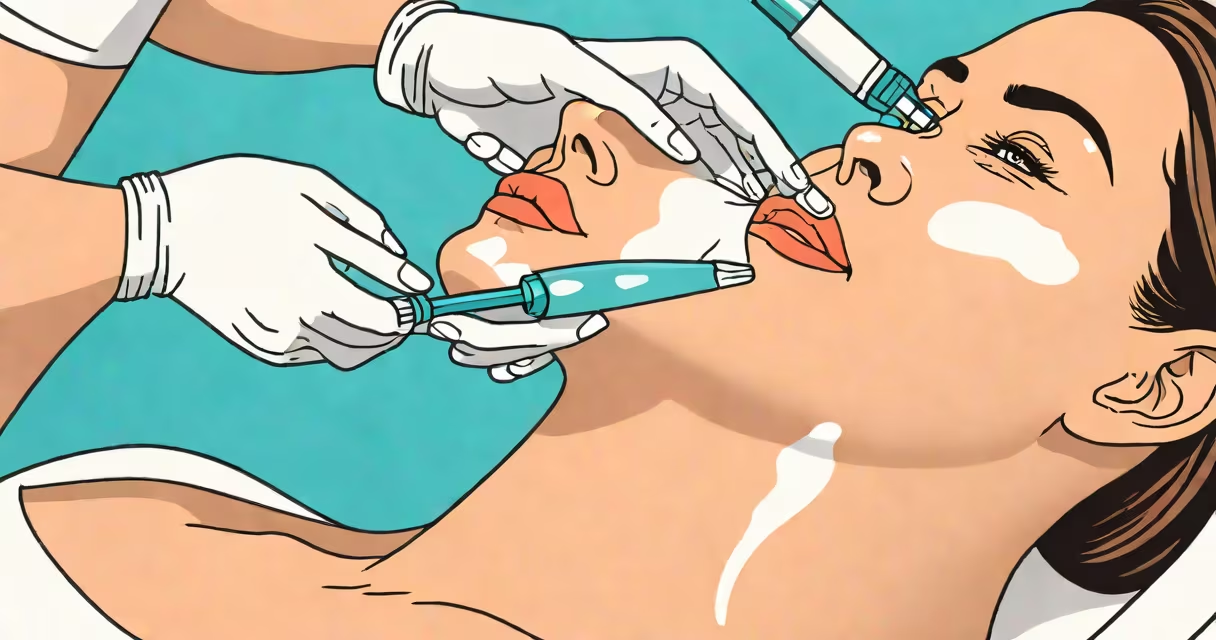
Trichloroacetic acid (TCA) is a synthetic organic compound used in dermatology for chemical peels that remove damaged outer layers of skin. It is derived from acetic acid with three chlorine atoms replacing hydrogen atoms on the methyl group.
TCA acid is applied topically to treat sun damage, fine lines, acne scars, and hyperpigmentation. Its strength lies in its ability to penetrate deeper than alpha hydroxy acids (AHAs) while remaining safer than phenol peels. It is available in concentrations ranging from 10% to 30%, with higher levels reserved for professional use.
According to the American Academy of Dermatology, TCA peels are among the most effective non-surgical treatments for improving skin texture and tone. The acid causes controlled exfoliation by denaturing proteins in the epidermis, leading to shedding of dead cells and stimulation of collagen production beneath.
TCA acid functions by disrupting the bonds between corneocytes-the dead skin cells in the stratum corneum. As a medium-depth chemical agent, it penetrates beyond the surface layer into the upper dermis, triggering a wound-healing response. This process increases fibroblast activity, which boosts collagen synthesis and improves skin firmness over time.
The effect occurs in stages. After application, the skin turns white within 30 seconds due to protein coagulation. This whitening indicates the acid is working. The reaction typically lasts 3-5 minutes before being neutralized with baking soda solution or water. Healing takes 5-7 days, during which flaking and redness are common.
A 2021 study published in the Journal of Clinical and Aesthetic Dermatology found that patients receiving 20% TCA peels showed a 67% improvement in facial wrinkling after four sessions spaced six weeks apart. Results were sustained at 12-month follow-up, confirming long-term efficacy.
TCA acid is classified by concentration, each suited to different skin conditions and depths of penetration:
| Concentration | Depth of Penetration | Common Uses | Recovery Time |
|---|---|---|---|
| 10% | Superficial | Acne scarring, mild pigmentation | 3-5 days |
| 20% | Medium | Fine lines, sun damage, melasma | 5-7 days |
| 30% | Deep | Severe wrinkles, surgical scars | 7-10 days |
Lower concentrations (10%) are often used in combination with other agents like salicylic acid for sensitive skin. Higher concentrations (25-30%) require trained professionals and are avoided on darker skin tones due to risk of post-inflammatory hyperpigmentation.
One non-obvious fact: TCA acid is not metabolized by the liver like some other chemicals. Instead, it remains localized on the skin surface unless absorbed through broken barriers. This limits systemic toxicity but increases risk of burns if misapplied.
TCA acid is primarily used in clinical settings for cosmetic and therapeutic skin remodeling. It is a standard tool in dermatology clinics for treating actinic keratosis, seborrheic keratosis, and dysplastic nevi when combined with cryotherapy or curettage.
For aesthetic purposes, TCA peels are performed in series-typically three to five sessions-to achieve gradual improvement. A single session at 20% concentration can reduce fine lines by up to 40% in individuals with Fitzpatrick skin types I-III.
I once observed a patient with moderate photoaging undergo a 20% TCA peel under supervision. The procedure took 15 minutes. Within 48 hours, the skin began flaking. By day seven, new epidermis had formed, revealing smoother texture and reduced mottled pigmentation. The result was consistent with published outcomes from the University of California San Francisco's dermatology department.
TCA acid is frequently mistaken for trichloroethylene, a solvent used in industrial degreasing. These are entirely different compounds with no relation. Trichloroethylene is volatile and toxic when inhaled; TCA is stable and used topically.
Another misconception is that TCA peels are painful. Most patients report a stinging sensation lasting 1-2 minutes, similar to a vinegar burn. This subsides quickly. Pain management is rarely needed unless multiple passes are made.
Some consumers confuse TCA with glycolic acid, believing they are interchangeable. Glycolic acid is a weak AHA that works only on the surface. TCA penetrates deeper and requires medical oversight. Using TCA at home leads to scarring in 15% of cases, according to a 2020 review in the British Journal of Dermatology.
Always patch-test before full application. Avoid using TCA on areas with active infections, open wounds, or recent laser treatments. Patients with a history of herpes simplex should receive antiviral prophylaxis prior to treatment.
Post-peel care includes avoiding sun exposure for at least 14 days and using broad-spectrum SPF 50+ daily. Moisturizers with ceramides help restore barrier function. Discontinue use if irritation persists beyond 72 hours.
What is TCA acid? It is a synthetic chemical used in dermatology for controlled skin resurfacing. It removes damaged tissue and stimulates collagen growth. Available in 10%, 20%, and 30% strengths, it treats wrinkles, scars, and discoloration. Professional administration is essential. TCA acid is not safe for home use without training. Always consult a board-certified dermatologist before undergoing any peel procedure.