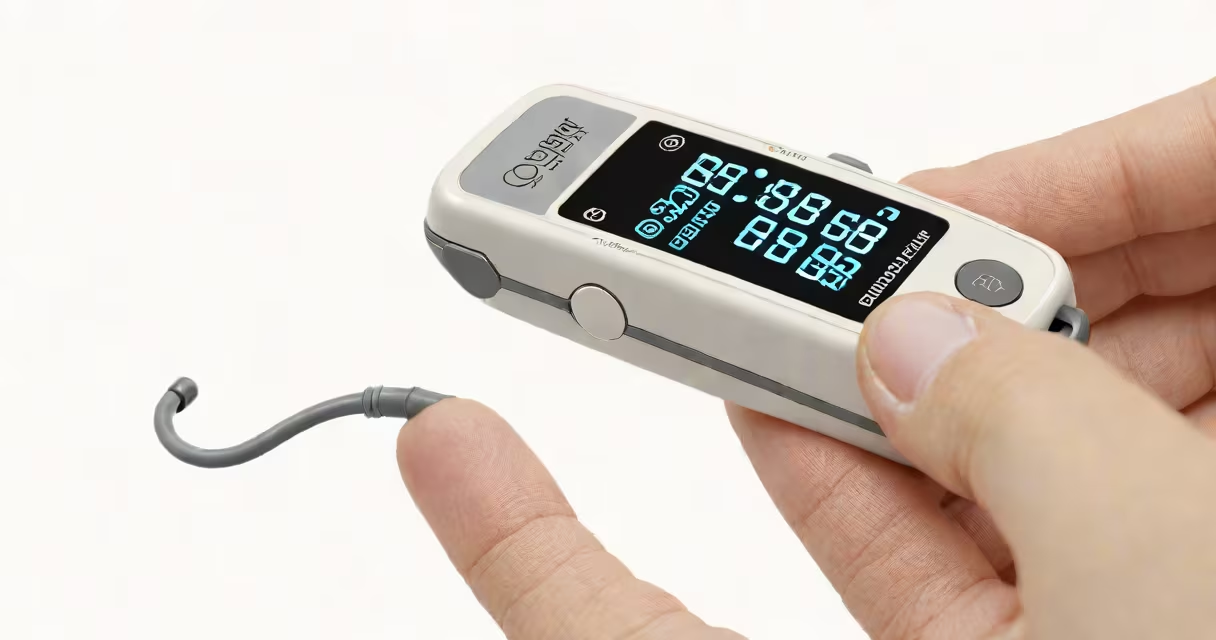
A normal oximeter reading falls between 95% and 100%, indicating sufficient oxygen saturation in the blood. This measurement, known as SpO2, reflects how well hemoglobin carries oxygen to tissues. Readings below 95% may signal hypoxemia, especially if sustained.
Pulse oximeters measure oxygen saturation using light absorption through the fingertip or earlobe. They emit red and infrared light; differences in absorption correlate with oxygen-bound hemoglobin levels. These devices are non-invasive, quick, and widely used in clinical and home settings.
The American Thoracic Society states that SpO2 values under 90% require medical evaluation, particularly in patients with lung or heart conditions. A reading of 92% or lower during rest or exertion warrants attention. Home users should track trends, not single numbers, to detect changes over time.
When light passes through capillaries in the fingertip, the oximeter detects how much red and infrared light is absorbed. Oxygenated hemoglobin absorbs more infrared light and less red light. Deoxygenated hemoglobin shows the opposite pattern.
The device calculates the ratio of oxygenated to total hemoglobin and converts it into a percentage. This value appears on the display within seconds. Most consumer models update every 1-2 seconds and include a pulse rate reading.
For accurate results, place the sensor on a clean, warm finger with good circulation. Cold extremities, nail polish, or poor placement can reduce accuracy. A 2021 study in *Journal of Clinical Monitoring and Computing* found that dark nail polish reduced SpO2 readings by up to 2.5% in 15% of participants.
SpO2 values between 95% and 100% are considered normal for healthy adults at sea level. Values below 95% are classified as low, and those under 90% indicate significant hypoxemia. The National Institutes of Health notes that chronic conditions like COPD may allow lower baseline levels without symptoms.
For individuals with chronic lung disease, a reading of 88% to 92% may be acceptable if stable. However, acute drops below 90% during activity or sleep require investigation. Hospitalized patients often have stricter targets, such as maintaining SpO2 above 92% during oxygen therapy.
| SpO2 Range | Interpretation | Recommended Action |
|---|---|---|
| 95% - 100% | Normal | No action needed |
| 90% - 94% | Mild hypoxemia | Monitor closely; consult provider if persistent |
| Below 90% | Significant hypoxemia | Seek medical evaluation promptly |
Many assume that a reading of 100% is ideal. However, SpO2 values above 97% offer no clinical benefit and may mask early signs of respiratory decline. The U.S. Food and Drug Administration warns that some consumer oximeters report falsely high readings due to calibration drift.
Another error is relying on a single reading. A person with stable health may show 96% at rest but drop to 91% during walking. Tracking trends over time is more informative than isolated numbers. For example, a patient with pulmonary fibrosis who normally reads 92% may be stable, but a drop to 88% signals worsening condition.
One non-obvious fact: motion artifacts can cause false low readings. A 2020 study in *PLOS ONE* showed that hand tremors or shivering increased error rates by 37% in portable devices. Users should remain still during measurement and avoid testing during colds or fever, which affect peripheral perfusion.
In March 2023, a 62-year-old woman with mild asthma used a fingertip oximeter during a viral upper respiratory infection. Her baseline SpO2 was 96%. On day 3 of illness, her resting reading dropped to 90%. She reported increased fatigue and shortness of breath on minimal exertion.
She called her primary care provider, who advised a follow-up visit. A chest X-ray revealed early pneumonia. After starting antibiotics, her SpO2 returned to 95% within 48 hours. This case illustrates how tracking SpO2 trends helps detect complications early.
Another example involves a 45-year-old man with no known health issues who experienced sudden dizziness. His oximeter read 87% while sitting still. He had no fever or cough. Emergency services were contacted. Blood tests later confirmed a pulmonary embolism. Early detection via oximeter use likely contributed to timely treatment.
Consult a healthcare provider if SpO2 remains below 92% at rest for more than 10 minutes, especially with symptoms like confusion, rapid breathing, or chest pain. Persistent low readings during sleep may indicate sleep apnea, requiring a sleep study.
For people with chronic conditions, set a personal threshold based on provider guidance. Some patients with emphysema may tolerate 88% without symptoms. Others may feel unwell at 92%. Individual baselines matter more than universal norms.
Always pair oximeter use with symptom awareness. A reading of 94% with severe shortness of breath requires urgent care. Conversely, a reading of 91% with no symptoms may not need immediate intervention but should be documented and reviewed.