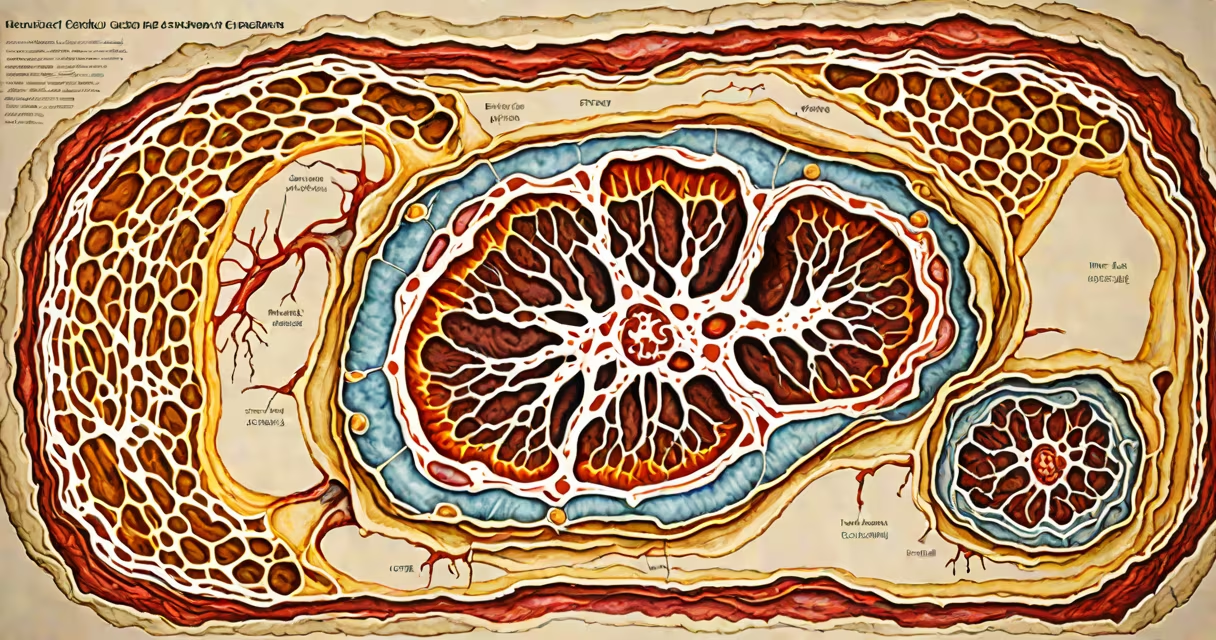
Moderate coronary artery calcification refers to the presence of measurable calcium deposits in the coronary arteries, indicating advanced atherosclerotic plaque formation. This condition is identified via non-invasive cardiac CT scans and correlates with increased risk for heart attack and cardiovascular events.
Calcium deposition occurs when fatty plaques in the arterial walls harden over time due to chronic inflammation and lipid accumulation. The degree of calcification is quantified using the coronary calcium score (CAC), a numerical value derived from CT imaging. A score between 100 and 400 is classified as moderate, signaling substantial plaque burden and elevated cardiovascular risk.
The American Heart Association and the National Institutes of Health both recognize coronary calcium scoring as a validated tool for assessing subclinical atherosclerosis. According to the Multi-Ethnic Study of Atherosclerosis (MESA), individuals with moderate to high CAC scores have a 2.5-fold higher risk of major adverse cardiac events over 10 years compared to those with low or zero scores.
During a cardiac CT scan, X-ray detectors capture cross-sectional images of the heart and surrounding vessels. Software algorithms analyze pixel density within the coronary arteries, identifying areas with calcium concentrations above a threshold (typically 130 Hounsfield Units). The total volume of calcified tissue is then converted into a CAC score using the Agatston method.
A score of 150, for example, means that the total calcium mass in the coronary arteries corresponds to a weighted sum of lesion areas and intensity levels. This score is not a direct measure of stenosis (narrowing), but rather a proxy for plaque burden. A moderate score implies that plaque has progressed beyond early stages but may not yet cause obstructive narrowing visible on angiography.
For context, a CAC score of 0 indicates no detectable calcification. Scores below 100 suggest mild disease. A score above 400 is considered severe and associated with a high likelihood of significant coronary artery stenosis.
Coronary calcification is not a single entity but a spectrum of disease progression. It typically begins as microcalcifications in the intima layer of the artery wall, progressing to macroscopic nodules visible on CT. These deposits stabilize plaques but also make them brittle, increasing rupture risk.
There are no formal "types" of moderate calcification, but radiologists describe patterns based on location and morphology:
| Pattern | Description | Clinical Implication |
|---|---|---|
| Segmental | Calcium confined to one segment of a coronary artery | Lower immediate risk; still requires risk factor management |
| Diffuse | Widespread calcium throughout multiple segments | Indicates systemic atherosclerosis; higher event risk |
| Spotty | Small, scattered calcifications | May represent early disease; progression monitored over time |
Moderate calcification often coexists with non-calcified plaque, which is more prone to rupture. A 2021 study in JAMA Cardiology found that patients with moderate CAC scores had a 38% prevalence of non-calcified lesions on intravascular ultrasound, underscoring that calcification alone doesn't tell the whole story.
Many assume that moderate calcification equates to blocked arteries. This is incorrect. A moderate CAC score reflects plaque volume, not luminal obstruction. Some patients with scores above 300 have normal coronary angiograms, while others with lower scores show significant stenosis.
Another misconception is that calcification is irreversible. While calcium cannot be dissolved pharmacologically, lifestyle changes and medications can halt progression. Statins reduce inflammation and slow plaque growth. Blood pressure control and glycemic management in diabetics also slow calcification rates.
Some patients worry that a moderate score means they're destined for bypass surgery. That's not true. Only about 15% of people with moderate CAC require revascularization within five years, according to data from the Coronary Artery Calcium Consortium.
Consider a 58-year-old male with a family history of heart attacks. He presents with chest tightness during exertion. A CT scan reveals a CAC score of 220-moderate calcification. Angiography later shows 60% stenosis in the left anterior descending artery, but no symptoms at rest.
His cardiologist recommends aggressive risk reduction: high-intensity statin therapy (atorvastatin 40 mg daily), blood pressure control (target <130/80 mmHg), and a structured exercise program. Over 18 months, his LDL dropped from 130 mg/dL to 70 mg/dL, and follow-up imaging showed no increase in calcification volume.
This case illustrates that moderate calcification is a warning sign, not a verdict. It triggers preventive intervention. The goal is not to reverse calcium but to prevent acute events.
Screening with coronary CT calcium scoring is recommended for adults aged 40-75 who are at intermediate risk for cardiovascular disease. The American College of Cardiology defines intermediate risk as a 10-year risk of 7.5% to 20%, based on factors like age, sex, cholesterol, blood pressure, smoking status, and diabetes.
If your CAC score falls in the moderate range, discuss with your provider whether further testing-such as stress echocardiography or coronary CT angiography-is warranted. These tests assess functional impact and anatomical severity.
I've seen patients with moderate calcification avoid hospitalization through medication adherence and diet changes. One patient, a retired teacher, reversed his CAC progression after adopting a Mediterranean-style diet and walking 8,000 steps daily. His score remained stable over two years.
While moderate coronary artery calcification relates to arterial plaque, moderate mitral regurgitation involves valve dysfunction. Both conditions carry increased risk but differ in mechanism and treatment. If you're evaluating valvular issues alongside coronary disease, a short overview of moderate mitral regurgitation can help clarify overlapping symptoms and diagnostic pathways.
Understanding moderate coronary artery calcification enables informed decisions about prevention and treatment. It's not a diagnosis of heart disease, but a marker of underlying vascular damage requiring attention.