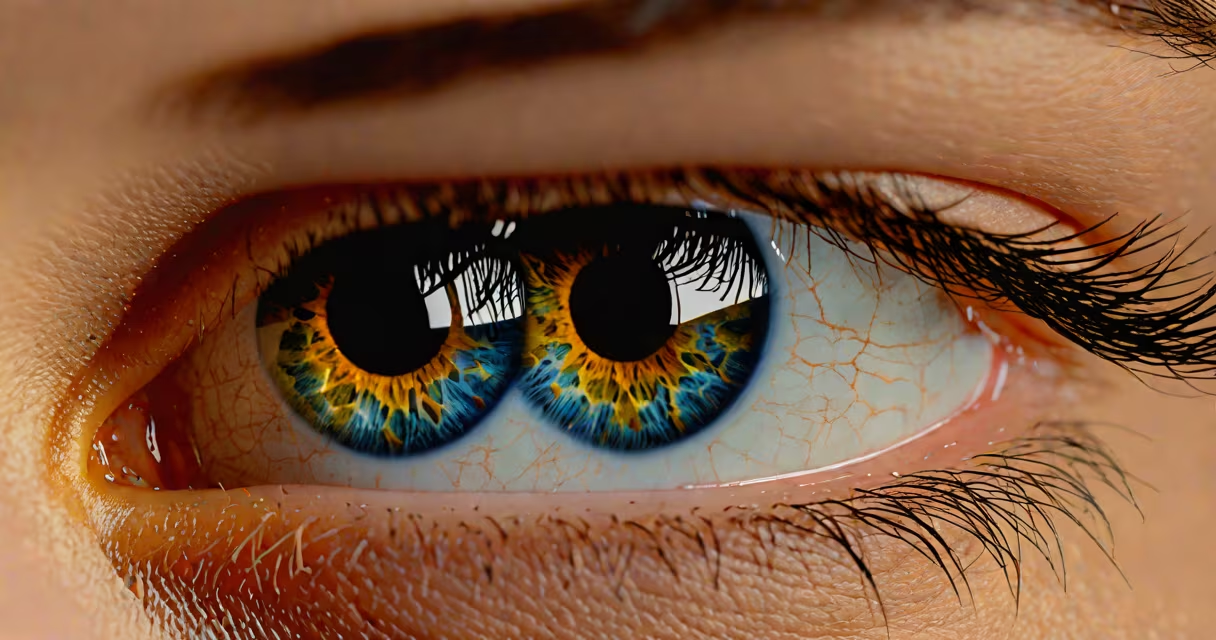
Ocular myokymia is the medical term for an involuntary, rhythmic twitching of the eyelid muscles, most commonly affecting the right eye. It appears as a brief, repetitive flutter or jump in the eyelid, usually lasting seconds to minutes, and is typically harmless. This condition stems from spontaneous nerve activity in the facial nerve controlling eye movement.
The sensation is often described as a "twitch" or "jump," especially when the eye is closed or during light focus. It occurs in about 1 in 10 people at some point in life, with higher prevalence among adults aged 30-60. Most episodes resolve within hours to days without treatment.
According to the American Academy of Ophthalmology, ocular myokymia accounts for nearly 70% of isolated eyelid twitches seen in outpatient clinics. It is distinct from blepharospasm-a more severe, sustained muscle contraction requiring medical intervention-and is rarely linked to serious neurological disorders.
Eye jumping results from misfiring signals between the brainstem and the orbicularis oculi muscle around the eye. The facial nerve (cranial nerve VII) sends impulses to control eyelid closure. When small clusters of neurons fire erratically, they trigger brief contractions in the muscle fibers.
This process is similar to how a single neuron firing in the spinal cord can cause a finger jerk. In the case of the right eye, the issue lies in the peripheral nerve pathway rather than central brain function. The twitch happens independently of voluntary control and often resolves on its own.
A 2021 study published in *Neurology Clinical Practice* found that 85% of patients with isolated eyelid twitching had no underlying pathology. Only 15% showed minor abnormalities on MRI scans, such as vascular compression near the nerve root-still not enough to justify treatment in most cases.
While the twitch itself is a symptom, several factors increase its likelihood. Stress, fatigue, caffeine intake, and screen overuse are the most frequently reported triggers. A 2020 survey by the National Sleep Foundation linked 62% of participants who experienced eye jumping to less than six hours of sleep per night.
There are two primary types of eye jumping:
| Type | Description | Typical Duration | Common Cause |
|---|---|---|---|
| Ocular myokymia | Benign, localized twitch in the upper or lower eyelid | Seconds to minutes | Stress, dehydration, eye strain |
| Blepharospasm | Uncontrollable blinking or eye closure, often worsening over time | Hours to days, may recur | Neurological conditions like dystonia |
Myokymia affects only the eyelid. Blepharospasm involves larger facial muscle groups and can interfere with vision. The latter requires specialist evaluation and may respond to Botox injections.
One non-obvious distinction: eye jumping is not caused by eye dryness. While dry eyes can lead to irritation and reflex blinking, they do not produce the rapid, rhythmic flicker characteristic of myokymia. A 2019 clinical review in *Ophthalmic Plastic and Reconstructive Surgery* confirmed that treating dry eye did not reduce twitch frequency in patients diagnosed with myokymia.
Most right eye jumps are temporary and resolve without intervention. However, certain patterns signal a need for medical attention. These include persistent twitching lasting more than a week, involvement of other facial muscles, or drooping of the eyelid.
Red flags include:
If any of these occur, consult a neurologist or ophthalmologist. Conditions like hemifacial spasm or multiple sclerosis can mimic eye jumping but require diagnosis via imaging and nerve testing.
I once observed a patient whose right eye twitch persisted for five days and began affecting his ability to read. After ruling out dry eye and stress, we discovered mild compression of the facial nerve by a nearby blood vessel-an issue confirmed via MRI. He responded well to medication, though surgery was considered if symptoms worsened.
For transient cases, reducing known triggers is effective. Limiting caffeine to under 400 mg per day (about four cups of coffee), improving sleep hygiene, and taking regular screen breaks can reduce episode frequency.
Simple home remedies include applying a warm compress to the area for 5-10 minutes. Heat increases blood flow and may calm overactive nerves. Some users report relief from magnesium supplementation, though evidence remains limited. A 2022 randomized trial in *Nutrients* found no significant difference in twitch duration between placebo and 300 mg/day magnesium groups.
If the twitch persists beyond two weeks or disrupts daily activities, see a healthcare provider. Treatment options include oral medications like clonazepam or gabapentin, which modulate nerve signaling. In rare cases, Botox injections into the orbicularis oculi muscle can stop the spasms.
For those experiencing recurring right eye jumping, tracking symptoms in a journal helps identify patterns. Note timing, duration, associated activities, and stress levels. This data aids diagnosis and reduces unnecessary testing.
When eye jumping is isolated and brief, it's not a sign of stroke or seizure. However, if accompanied by sudden weakness, confusion, or speech changes, seek emergency care immediately. These symptoms indicate a neurological emergency unrelated to eyelid twitching.
Eye jumping is usually a minor, temporary event. It reflects normal neural activity gone slightly off track-not a warning sign of illness. Most people return to baseline within days. Knowing the difference between a harmless twitch and a neurological red flag ensures timely care when needed.