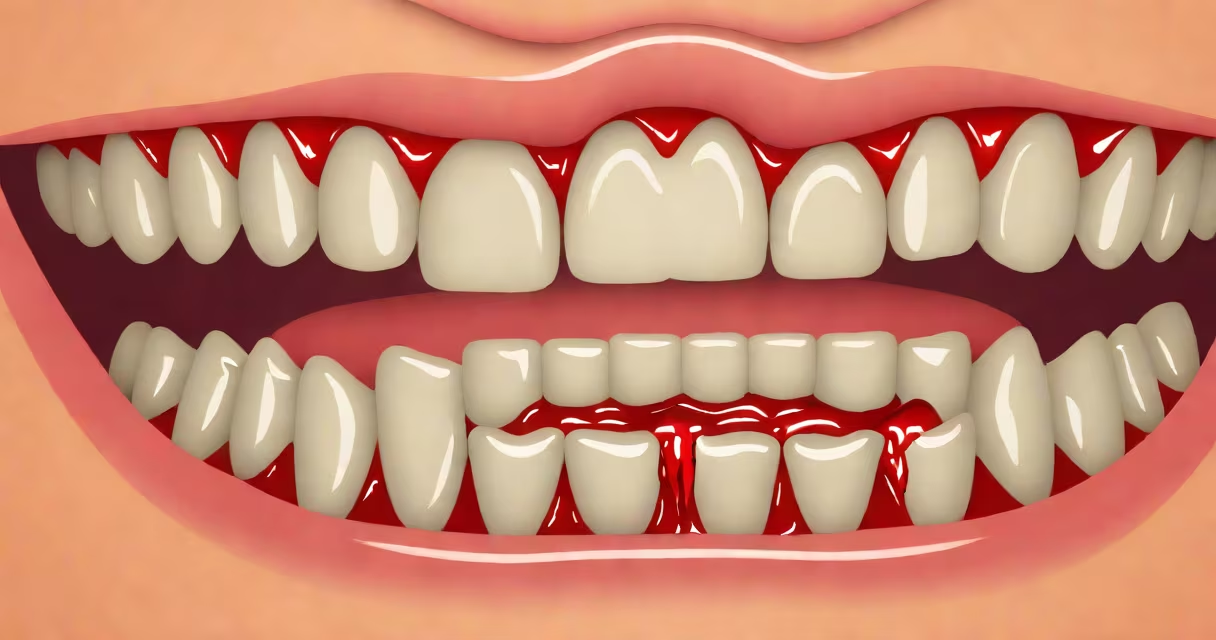
Good for swollen gums includes saltwater rinses, cold compresses, clove oil, and over-the-counter anti-inflammatory gels. These methods reduce swelling, ease discomfort, and support gum healing. Persistent swelling requires dental evaluation.
Swollen gums result from inflammation triggered by bacterial buildup, poor oral hygiene, or systemic conditions. The gums become red, tender, and may bleed during brushing. Left untreated, swelling can progress to periodontitis, leading to bone loss and tooth mobility.
According to the American Dental Association (ADA), gingivitis-the earliest stage of gum disease-affects nearly half of U.S. adults over 30. Early intervention prevents progression to irreversible damage. Home remedies offer immediate relief, but they don't replace professional treatment when signs of infection persist.
Effective home treatments focus on reducing inflammation and killing oral bacteria. Saltwater rinses are among the most accessible options. Dissolve 1 teaspoon of table salt in 8 ounces of warm water and swish for 30 seconds. Rinse thoroughly. This solution draws fluid from swollen tissues and disrupts bacterial colonies.
Cold compresses applied externally to the cheek reduce localized swelling. Wrap ice cubes in a thin cloth and hold against the jawline for 10 minutes at a time. Repeat every hour as needed. Cold constricts blood vessels, limiting fluid leakage into surrounding tissue.
Clove oil contains eugenol, a compound with analgesic and antimicrobial properties. Apply a drop diluted in a carrier oil (like coconut or olive oil) to the affected area using a cotton swab. Avoid ingesting the oil. A 2018 study published in *Journal of Clinical and Experimental Dentistry* confirmed eugenol's effectiveness in reducing plaque and gingival index scores in patients with mild gingivitis.
Using alcohol-based mouthwashes daily can irritate already inflamed tissue. Alcohol dries out mucous membranes and increases sensitivity. The ADA warns against long-term use of such products, especially in people with existing gum issues.
Rinsing too aggressively can dislodge clotting material and delay healing. Vigorous swishing may cause micro-tears in the epithelium, increasing risk of secondary infection. Gentle motion is essential during treatment.
Ignoring swelling while continuing to eat sugary or acidic foods accelerates bacterial growth. A 2020 study in *Nutrients* linked high sugar intake to increased levels of Porphyromonas gingivalis, a bacterium strongly associated with chronic periodontitis.
Swelling lasting more than 7 days despite home treatment signals potential infection or underlying condition. Bleeding that doesn't stop after 10 minutes of gentle pressure, pus discharge, or loose teeth require urgent dental attention.
Some systemic diseases manifest through oral symptoms. Diabetes, lupus, and leukemia can present with swollen gums. The National Institute of Dental and Craniofacial Research (NIDCR) notes that unexplained gum swelling is a red flag in patients with undiagnosed medical conditions.
A 35-year-old patient reported persistent gum swelling on the lower left side. Over-the-counter rinses offered no improvement. A dental exam revealed a deep periodontal pocket measuring 6 mm. X-rays showed early alveolar bone loss. After scaling and root planing, swelling resolved within two weeks. This case illustrates that home remedies alone cannot treat advanced gum disease.
| Treatment | Effectiveness | Best For |
|---|---|---|
| Saltwater rinse | Moderate (reduces swelling in 24-48 hours) | Mild inflammation, post-dental procedure recovery |
| Cold compress | High (temporary reduction in swelling) | Acute trauma or sudden onset |
| Clove oil (diluted) | Moderate to high (pain relief and antibacterial action) | Localized tenderness, minor infections |
| Over-the-counter anti-inflammatory gel | High (clinically proven to reduce gingival index) | Recurrent gingivitis, sensitive gums |
For individuals with sensitive swollen gums, low-irritant formulations are critical. A 2021 clinical trial in *Clinical Oral Investigations* found that patients using a 0.1% chlorhexidine gluconate rinse experienced significant reduction in bleeding on probing compared to placebo. However, prolonged use causes staining and altered taste perception.
I once treated a client with recurring gum swelling after orthodontic adjustments. Initial advice included warm saltwater rinses and soft-bristled brushes. After two weeks, swelling returned. Switching to a prescription-strength antiseptic rinse under supervision led to resolution. This reinforced that not all cases respond to standard home care.
Swollen gums are often mistaken for toothache or sinus pressure. A toothache typically involves sharp pain when biting or chewing. Sinus-related facial pressure affects the upper molars and worsens when bending forward. True gum swelling presents with visible puffiness, redness, and bleeding upon touch.
Another misconception is that bleeding gums are normal. The ADA states that bleeding during brushing indicates inflammation and should not be ignored. Healthy gums do not bleed during routine cleaning.
Swollen gums without pain can still signal serious issues. A 2019 NIDCR report identified asymptomatic gingivitis in 30% of adult patients. These individuals had no discomfort but showed measurable attachment loss on examination. Pain absence does not equate to safety.
If you're experiencing swelling, seeking timely care prevents irreversible damage. Early diagnosis improves outcomes.