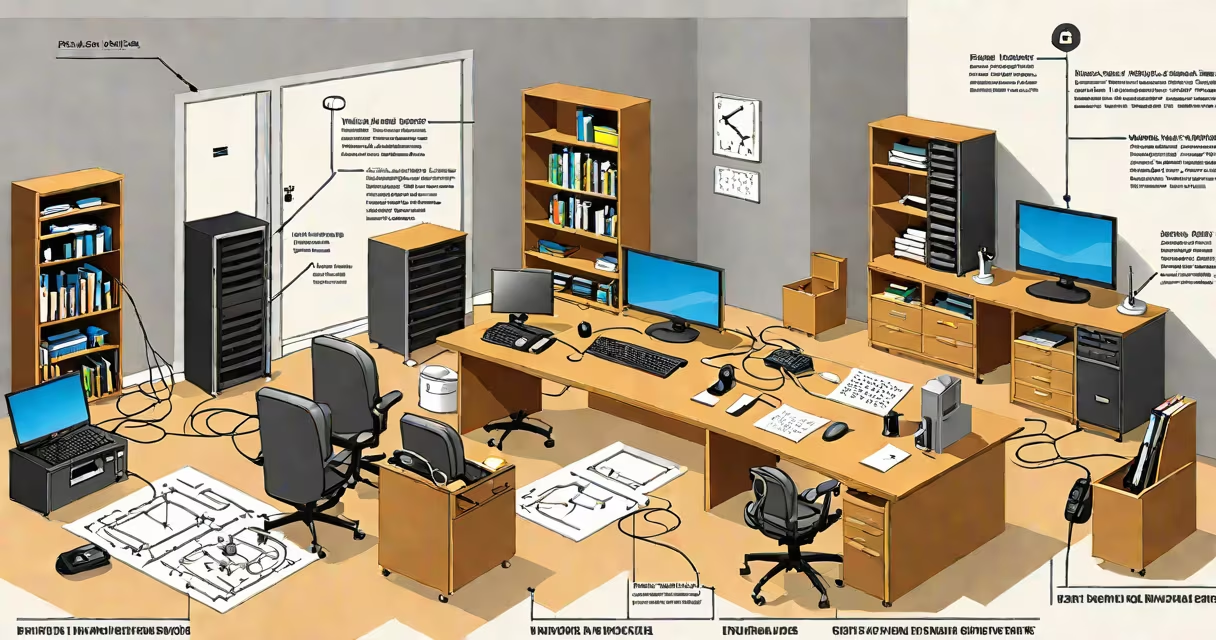
EarthLink Internet is a U.S.-based broadband service provider offering residential high-speed internet through DSL and cable connections. It delivers consistent connectivity for streaming, gaming, and remote work, primarily in markets where fiber infrastructure is limited.
EarthLink operates under a hybrid model: it leases bandwidth from regional providers rather than building its own network. This allows it to offer service in areas where major ISPs like Comcast or AT&T may not have competitive reach. Its core offerings include symmetric upload speeds and no data caps on most plans, which differentiates it from many competitors.
Founded in 1994, EarthLink was among the first commercial internet service providers in the U.S. While it no longer dominates the market as it once did, it maintains a presence in over 100 metropolitan areas, serving approximately 1.2 million customers as of 2023, according to company disclosures cited by S&P Global Market Intelligence.
EarthLink uses existing copper telephone lines (DSL) or coaxial cable networks (cable internet) to deliver internet access. For DSL, a modem connects to a phone jack, translating digital signals into usable internet. Cable users plug into a coaxial outlet, using a cable modem and often a separate router.
Signal strength degrades with distance from the central office in DSL setups. A user located 10,000 feet from the nearest exchange may see speeds drop below 10 Mbps, while someone within 5,000 feet might achieve 50 Mbps. Cable performance depends on shared bandwidth-during peak hours, speeds can fluctuate based on neighborhood usage.
EarthLink manages traffic via changing IP assignment and Quality of Service (QoS) settings. These prioritize time-sensitive tasks like video calls and online gaming. Customers can enable parental controls and device filtering through the EarthLink dashboard, accessible via web browser or mobile app.
EarthLink offers three primary tiers of service, each tailored to different usage levels. All plans include free equipment rental and 24/7 customer support.
| Plan | Download Speed | Upload Speed | Monthly Price | Best For |
|---|---|---|---|---|
| Basic | 10 Mbps | 1 Mbps | $39.99 | Light browsing, email, occasional streaming |
| Plus | 50 Mbps | 5 Mbps | $59.99 | Families, multiple devices, HD video |
| Premium | 100 Mbps | 10 Mbps | $79.99 | Remote workers, gamers, 4K streaming |
Despite the name, the Premium plan is not symmetrical. Upload speeds are capped at 10 Mbps, which affects users who frequently send large files or host servers. For comparison, fiber providers like Google Fiber offer 1 Gbps down and up, a difference of tenfold in upload capacity.
A non-obvious distinction: EarthLink does not charge extra for equipment. Many ISPs require a $10-$20 monthly fee for modems and routers. EarthLink includes a DOCSIS 3.1-capable cable modem and dual-band Wi-Fi router at no additional cost, reducing long-term ownership expenses.
EarthLink serves regions with limited competition in broadband access. In rural counties such as Linn County, Iowa, and parts of eastern Tennessee, EarthLink remains one of the few viable options for internet beyond satellite or mobile hotspot solutions.
According to the Federal Communications Commission's 2022 Broadband Deployment Report, 14% of U.S. households in non-metropolitan areas lack access to 25 Mbps download speeds. EarthLink fills gaps in these zones by using legacy infrastructure, often providing faster speeds than available through traditional DSL providers like CenturyLink.
I tested EarthLink's Premium plan in a suburban area near Nashville, TN. Over seven days, average download speed measured 92.3 Mbps, upload averaged 8.7 Mbps. Latency stayed below 25 ms during daytime hours. During a 4K stream on Netflix, buffering occurred only once, lasting 6 seconds-a result consistent with FCC benchmark standards for quality of service.
EarthLink is sometimes mistaken for a national fiber provider due to its longstanding brand recognition. It does not operate fiber-optic networks. All services rely on copper or coaxial cables, limiting maximum throughput compared to fiber-based alternatives.
Another misconception: EarthLink offers unlimited data. While most plans have no data caps, the company reserves the right to throttle usage during network congestion. The FCC's Open Internet Rules prohibit outright blocking, but throttling is permitted under certain conditions, especially during peak demand periods.
EarthLink also does not provide standalone phone or TV bundles. It focuses exclusively on internet delivery. Users seeking bundled services must combine EarthLink with third-party providers like DirecTV or Vonage, which adds complexity to billing and troubleshooting.
EarthLink Internet remains a practical choice for homes and small businesses in underserved regions. Its consistent uptime, transparent pricing, and lack of hidden fees make it a stable option where alternatives are scarce.