Early Head Start is a federally funded U.S. program that provides complete early childhood development services to low-income pregnant women, infants, and toddlers up to age three. It combines health, nutrition, education, and family support services delivered through local community organizations.
The program operates under the authority of the U.S. Department of Health and Human Services (HHS) and is administered by the Administration for Children and Families (ACF). It serves families who meet income eligibility thresholds-typically at or below 100% of the federal poverty level-and prioritizes those facing additional challenges such as housing instability or developmental delays.
Early Head Start is distinct from regular preschool programs. It begins before birth and continues through age three, focusing on the critical early years when brain development is most rapid. Services include home visits, center-based care, developmental screenings, and parent-child interaction sessions.
Each Early Head Start grantee operates independently under federal guidelines. Local agencies-such as nonprofit organizations, school districts, or tribal governments-apply for funding and design programs tailored to their communities' needs. Despite variation in delivery models, all grantees must meet core federal requirements.
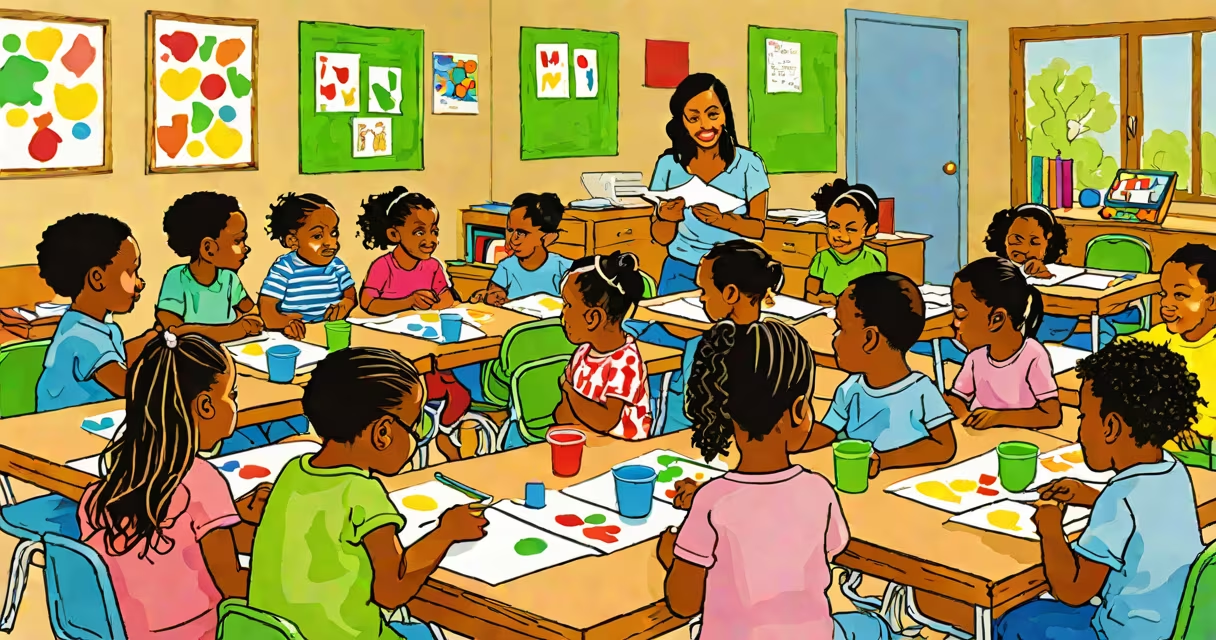
Programs deliver services through two primary models: home-based and center-based. Home-based programs send trained staff to visit families in their homes at least once a week. These visits focus on building parent-child relationships, promoting cognitive and language development, and connecting families to community resources. Center-based programs provide structured group experiences in licensed childcare facilities, often with a mix of educational activities and caregiver training.
Services are integrated. A family receiving home visits may also attend weekly parenting workshops, have their child screened for developmental delays, and access referrals for medical care or food assistance. All components aim to improve outcomes in child development, parental engagement, and family economic stability.
Families must meet income criteria to qualify. Most programs accept households earning at or below 100% of the federal poverty level. Some programs extend eligibility to families up to 130% of the poverty level, especially in high-cost areas. Pregnant women and children under age three are the primary beneficiaries.
Enrollment is not automatic. Families apply through local Early Head Start providers. Applications typically require proof of income, identification, and documentation of pregnancy or child age. Priority is given to families experiencing homelessness, domestic violence, or developmental concerns.
A real-world example: In 2022, the Early Head Start program in Portland, Oregon, served 680 children and 520 parents. Of those, 43% were enrolled due to risk factors like maternal depression or prior involvement with child protective services. The program reported that 89% of participating children showed improved language skills within six months of enrollment.
| Model | Service Delivery | Typical Family Engagement | Best For |
|---|---|---|---|
| Home-Based | Weekly home visits by a trained family service worker | Parent-led activities, developmental tracking, resource referrals | Families needing flexible scheduling or with mobility challenges |
| Center-Based | Group-based programming in a licensed childcare facility | Structured learning, peer interaction, teacher-parent collaboration | Families seeking consistent daily routines and socialization |
| Combined Model | Blends home visits with center attendance | Flexible support across settings | Families with complex needs requiring multiple touchpoints |
Early Head Start is not a substitute for pediatric care or mental health treatment. While staff screen for developmental delays and refer families to specialists, they do not diagnose conditions or provide therapy. The program's role is supportive and preventive, not clinical.
Another misconception is that Early Head Start is only for low-income families. While income is a primary eligibility factor, the program also prioritizes families facing adversity-such as those with a child with a disability, a parent with a history of substance use, or those recently released from incarceration. These factors are considered during application review.
A less obvious point: Early Head Start is not limited to U.S. citizens. Non-citizen families may enroll if they are lawfully residing in the country and meet income and need criteria. This includes refugees, asylum seekers, and green card holders. The program does not require citizenship status for participation.
Research shows lasting benefits. A longitudinal study by the National Institute of Child Health and Human Development (NICHD) found that children who participated in Early Head Start had higher cognitive scores at age five compared to similar peers who did not. They also demonstrated better social-emotional regulation and were less likely to repeat a grade in elementary school.
Parents report increased confidence in caregiving. One mother in rural Mississippi described her experience: "Before Early Head Start, I didn't know how to play with my daughter in ways that helped her learn. Now I read to her every night, sing songs, and watch her respond. She's talking more, and I feel like I'm doing something right."
Programs also contribute to workforce development. Many Early Head Start staff are certified early childhood educators or social workers. Their work strengthens the early childhood workforce, particularly in underserved regions.
Early Head Start is not a one-size-fits-all solution. Its strength lies in customization-tailoring services to individual family needs while adhering to federal standards. The program remains a key part of early intervention policy, proven to reduce disparities in child development outcomes across socioeconomic lines.