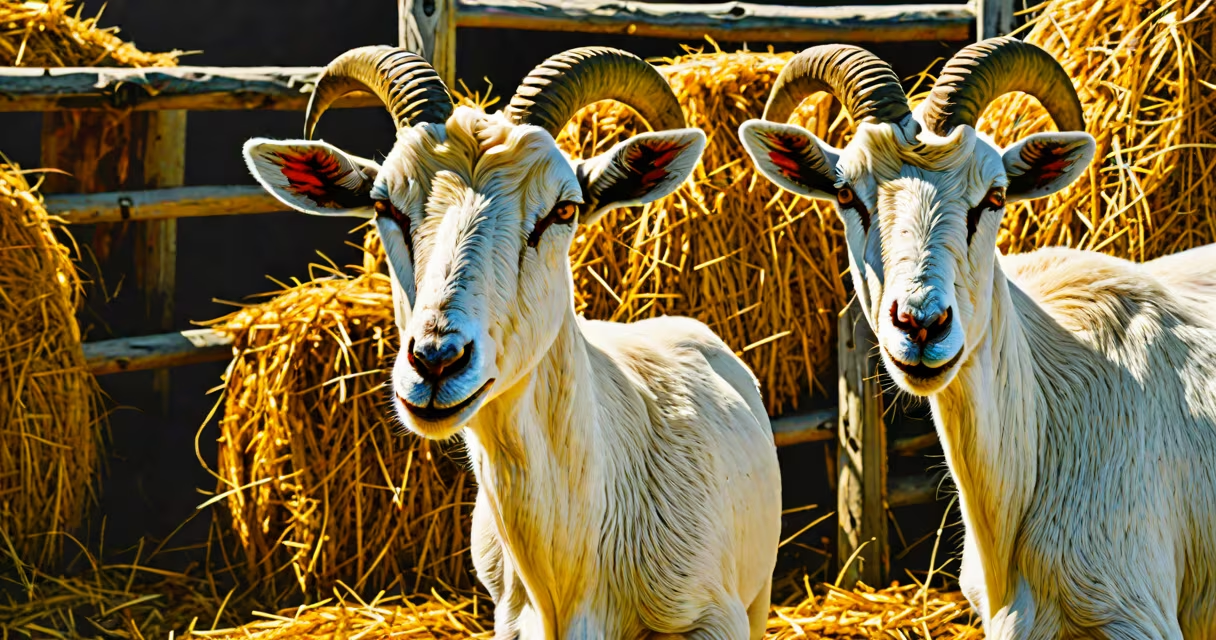
Goat diarrhea results from infections, dietary missteps, or parasitic infestations disrupting gut function. It's not a single illness but a symptom of underlying stress, pathogens, or nutritional imbalance. Left untreated, it leads to dehydration and weight loss.
Diarrhea in goats occurs when intestinal cells fail to absorb water properly or when harmful microbes trigger excessive fluid secretion. The condition often appears suddenly, especially in young kids or recently introduced animals. A healthy adult goat produces firm, pellet-like droppings; loose or watery stools signal trouble.
The most common triggers include coccidia (a protozoan parasite), E. coli bacteria, sudden feed changes, or ingestion of moldy hay. Stress from transport, overcrowding, or weather shifts can weaken immunity, making infection more likely. Recognizing early signs-such as lethargy, sunken eyes, or mucus in feces-is critical for intervention.
When pathogens invade the small intestine, they damage the villi-tiny finger-like projections that absorb nutrients and fluids. This damage reduces absorption capacity and increases secretion, leading to rapid fluid loss. A goat can lose 10-15% of its body weight in fluids within 24 hours during severe episodes.
Electrolyte imbalance follows. Sodium, potassium, and chloride levels drop, impairing nerve and muscle function. Without prompt rehydration, this can cause weakness, tremors, or collapse. Dehydration is the leading cause of death in acute cases, especially among kids under six weeks old.
One farm in Vermont reported a 40% mortality rate in a group of newborn goats after introducing fresh alfalfa hay too quickly. The kids developed watery, greenish diarrhea within 12 hours. Blood tests confirmed coccidiosis. After switching to a low-protein starter feed and administering sulfonamide medication, recovery began in 48 hours.
Pathogens responsible for goat diarrhea fall into three categories: bacterial, protozoal, and viral. E. coli strains such as K99 and F5 are common in neonatal kids. They attach to intestinal walls and release toxins that disrupt fluid balance. Outbreaks peak in spring and early summer when pastures are wet and crowded.
Coccidia (Isospora spp.) infect intestinal lining cells. Unlike bacteria, they don't spread through the bloodstream-they multiply locally, causing inflammation and bleeding. Diagnosis requires microscopic examination of feces. A single gram of infected feces may contain thousands of oocysts.
Dietary causes are often preventable. Sudden changes in feed-especially high-grain rations-alter gut pH. This favors fermentation by gas-producing bacteria like Clostridium perfringens, which produce toxins that paralyze intestinal muscles. A 2022 study by the University of California Cooperative Extension found that 68% of adult goat diarrhea cases were linked to abrupt feed transitions.
| Type | Common Causes | Typical Age Affected | Key Signs |
|---|---|---|---|
| Bacterial | E. coli K99, Salmonella, Clostridium perfringens | Newborns to 6 weeks | Watery diarrhea, bloating, rapid decline |
| Protozoal | Coccidia (Isospora) | 2-8 weeks | Mucus in stool, weight loss, poor appetite |
| Dietary | Sudden grain change, moldy hay, overfeeding milk replacer | All ages | Loose stools, bloating, reduced rumination |
High-density housing increases transmission risk. A single infected kid can contaminate bedding, feed troughs, and water buckets. Coccidia oocysts survive in soil for up to a year. Even after cleaning, residual spores reactivate in moist conditions.
Overgrazing on lush pastures also raises risk. High-sugar grasses ferment rapidly in the rumen, producing lactic acid. This lowers pH and kills beneficial microbes. The resulting imbalance allows pathogenic bacteria to dominate. A 2021 report from the USDA National Institute of Food and Agriculture noted that 34% of goat farms in the Midwest experienced diarrhea outbreaks during periods of heavy rainfall.
One dairy goat operation in Pennsylvania lost 12 out of 45 does in one winter due to a combination of cold stress and poor feed storage. Moldy alfalfa pellets were fed during a snowstorm. Analysis revealed aflatoxin contamination. The toxin damaged liver cells, impairing detoxification and worsening gut inflammation. After replacing feed and adding probiotics, herd health improved over 14 days.
Goat diarrhea is often mistaken for normal milk-induced soft stools in newborns. A kid fed colostrum or milk replacer may pass yellow, runny feces for the first few days. This is normal unless it persists beyond 72 hours or contains blood.
Another error is assuming all diarrhea requires antibiotics. Overuse contributes to resistant strains. The American Veterinary Medical Association warns against treating suspected cases without lab confirmation. A 2023 study showed that 57% of antibiotic prescriptions for goat diarrhea were unnecessary.
Some owners confuse diarrhea with bloat. Bloat involves gas buildup in the rumen, causing left-side swelling. It's life-threatening but doesn't involve loose stools. A goat with bloat may appear uncomfortable, stretch out, and repeatedly chew and regurgitate. It requires immediate intervention with a trocar or anti-foaming agent-not antidiarrheals.
In March 2023, a small goat herd in Oregon experienced a sudden outbreak. Seven out of ten kids developed diarrhea within 24 hours. The owner had switched from hay to fresh pasture after a dry spell. Within 48 hours, three kids died.
Veterinary testing identified E. coli K99 and coccidia co-infection. The vet prescribed a combination of sulfa drugs and electrolytes. The surviving kids received oral rehydration solution (ORS) mixed with sugar and salt-10 mL per kg body weight every 4 hours. After 72 hours, stool consistency improved. All recovered within five days.
Prevention included rotating pastures, avoiding sudden feed changes, and isolating sick animals. The owner also started deworming monthly with fenbendazole, following guidelines from the Cornell University College of Veterinary Medicine.
One non-obvious fact: goat diarrhea can be triggered by environmental factors unrelated to food. A 2020 study published in the Journal of Animal Science found that noise pollution from nearby construction increased cortisol levels in goats, suppressing immune response and raising susceptibility to gut pathogens.
For mild cases, supportive care is often sufficient. Oral rehydration solutions restore fluids and electrolytes. Probiotics like Lactobacillus acidophilus help repopulate healthy gut flora. But if symptoms persist beyond 24 hours, or if blood is present, veterinary intervention is essential.
Understanding what gives goats diarrhea begins with recognizing that it's not a disease but a warning sign. Identifying the root cause-whether microbial, dietary, or environmental-allows targeted action. Early detection and management prevent loss and improve long-term herd health.