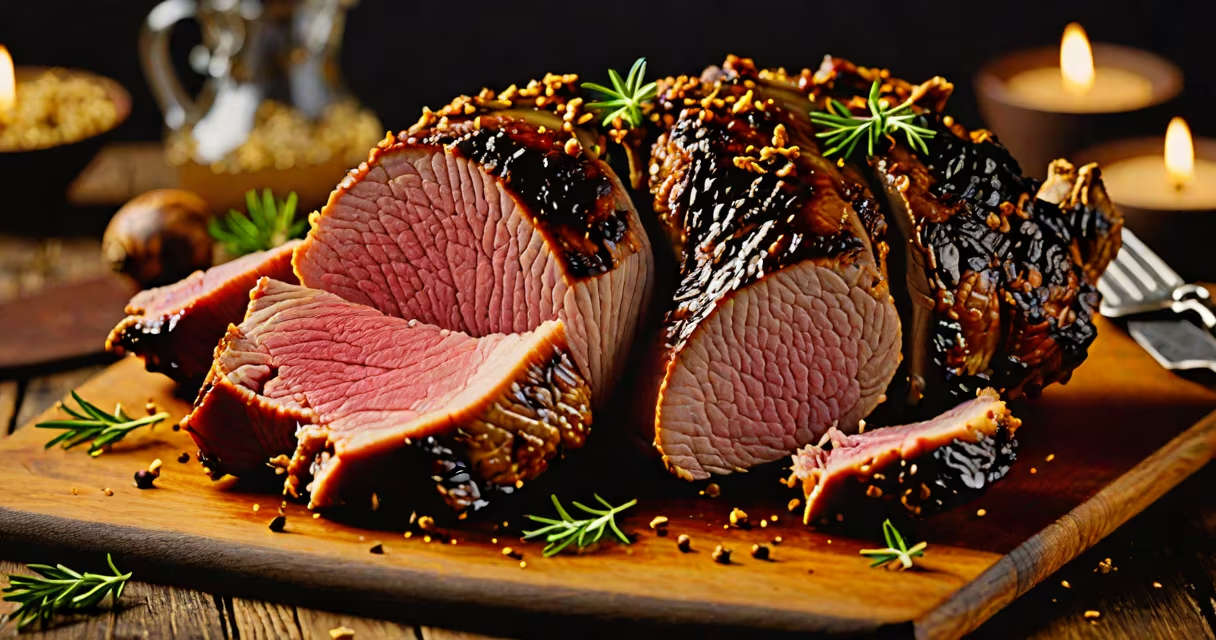
The Bible prescribes eating lamb during Passover as a commanded act of remembrance and deliverance, linking the meal to Israel's Exodus from Egypt and later to Jesus as the ultimate sacrificial Lamb. This practice is rooted in divine instruction, ritual observance, and theological symbolism.
Eating lamb in the Bible is not merely dietary-it is covenantal. The first explicit command appears in Exodus 12:3-4: "Tell the whole community of Israel that on the tenth day of this month each family must select a lamb..." The lamb was to be unblemished, roasted whole, and eaten with unleavened bread and bitter herbs. This meal marked the night God passed over homes marked with blood, sparing the firstborn.
Later, Deuteronomy 16:1-2 confirms the annual obligation: "Observe the month of Abib by celebrating the Passover... You shall slaughter the Passover lamb." The requirement was specific: no bones were to be broken (Exodus 12:46), a detail later fulfilled in Jesus' crucifixion (John 19:36).
Lamb consumption in biblical times followed strict timing and preparation. The Passover lamb had to be slaughtered at twilight on Nisan 14-the evening before the festival began. Families gathered, ate standing with belts fastened and sandals on, symbolizing readiness for departure (Exodus 12:11).
Leviticus 7:15-16 specifies that the meat had to be consumed within one day and one night. Any leftovers were to be burned. This ensured the sacred nature of the offering and prevented desecration through prolonged storage.
Modern Jewish tradition still observes this, though most households now use symbolic shank bones instead of actual lambs due to the absence of the Temple. However, the ritual remains central to Passover seders worldwide.
The Bible uses lamb in multiple distinct ways: as a sacrificial animal, a symbol of innocence, and a representation of divine redemption. These layers are interwoven across both Old and New Testaments.
| Use | Scripture Reference | Meaning |
|---|---|---|
| Passover Sacrifice | Exodus 12:3-11 | Deliverance from death; national liberation |
| Sacrificial Offering | Isaiah 53:7 | Messianic suffering; quiet submission to death |
| Divine Identity | Revelation 5:6 | Jesus as the slain Lamb who opens the scroll of judgment |
One non-obvious distinction: while the Passover lamb was eaten, other sacrificial lambs (like those in Levitical offerings) were burned entirely on the altar. The Passover lamb was unique-its flesh was consumed by the family, emphasizing communal participation and shared salvation.
For example, during the Last Supper, Jesus likely ate a Passover meal with his disciples. He referred to himself as the "Lamb of God" (John 1:29), linking his impending death to the Passover ritual. This wasn't metaphorical-it was a direct claim of identity. His followers understood the weight: he was the fulfillment of the sacrificial system.
Many assume the Bible forbids eating lamb. That's incorrect. Leviticus 11:5 explicitly permits lamb as clean meat: "The camel, the rabbit, and the hare-you may eat them, but the pig... you must not eat." Lambs are listed among permitted animals.
Others confuse the Passover lamb with the daily burnt offering. They are different. The daily offering (Numbers 28:3-8) involved a lamb each morning and evening, but it was not tied to a festival or a national event. The Passover lamb was seasonal, communal, and redemptive.
A deeper error is treating the lamb solely as a food item. The Bible elevates it beyond cuisine. In Isaiah 53:7, the servant "was oppressed and afflicted, yet he did not open his mouth; he was led like a lamb to the slaughter." This passage is quoted in the New Proof to describe Jesus' silent endurance before Pilate (Acts 8:32-33).
In 2023, a family in Jerusalem hosted a traditional Passover seder. They prepared a shank bone (zeroa) on the plate, but also served roasted lamb from a local farm certified kosher. The lamb was cooked whole, not cut into pieces, following Exodus 12:9: "Do not eat it raw or boiled in water, but roast it over fire."
The host, a rabbi's daughter, explained: "We don't eat the lamb because we're carnivores-we eat it because it remembers. It recalls the night our ancestors fled slavery. The blood on the doorposts saved lives. Now, we remember with reverence."
She added: "When Christians say 'Jesus is the Lamb,' they're not just quoting poetry. They're saying he died like that lamb-without protest, without resistance-to save us."
The act of eating lamb in the Bible is not about nutrition-it's about memory, obedience, and belonging. It marks a people's origin story and their ongoing relationship with God.
When Jesus said, "I am the way," he wasn't speaking abstractly. He was claiming the role of the Passover Lamb. His death on the cross mirrored the Passover sacrifice: no broken bones, blood applied to the doorpost (now, to the heart), and deliverance from spiritual death.
I once attended a Passover seder in a small synagogue in Brooklyn. The host, a retired teacher, brought out a lamb shank bone and placed it on the table. He didn't serve meat-he said, "This is not for eating. It's for remembering." That moment stayed with me: the lamb is not food. It's a sign.
Understanding what the Bible says about eating lamb requires seeing past the meal. It's about the covenant, the sacrifice, and the promise of freedom. For Jews, it's a return to Exodus. For Christians, it's a confirmation of Christ's mission.