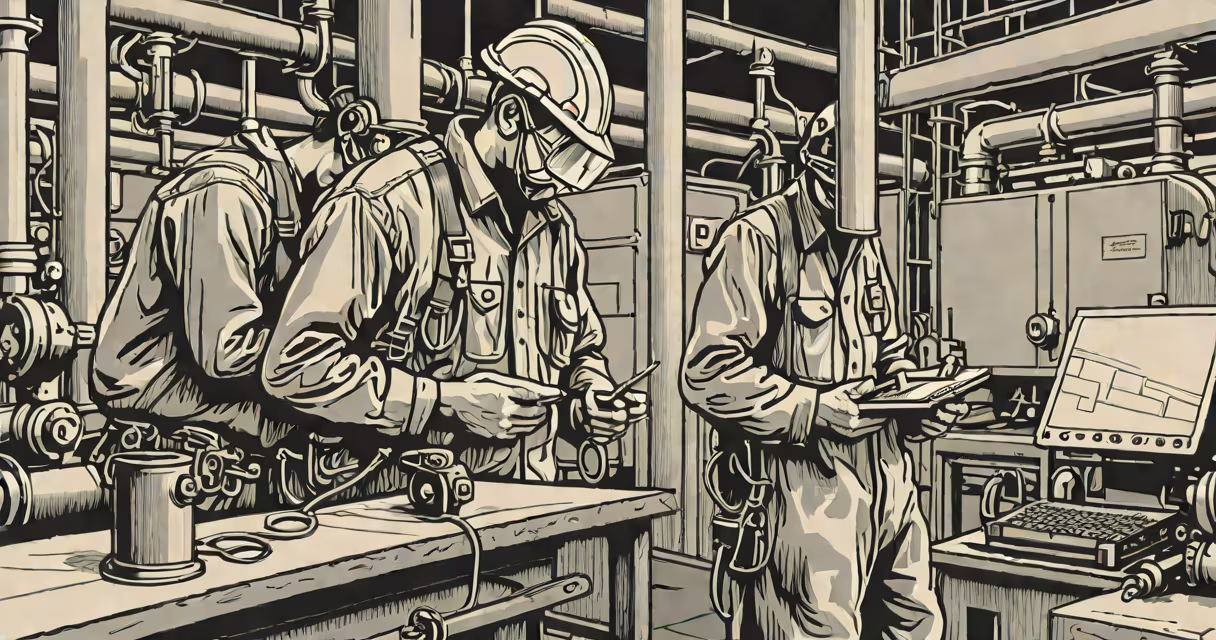
An occupational hazard is any condition, substance, or activity in the workplace that poses a risk of injury, illness, or harm to employees during the course of their duties. These hazards are inherent to certain jobs and may result from physical, chemical, biological, ergonomic, or psychosocial factors.
Occupational hazards include exposure to loud noise, toxic chemicals, repetitive motion, extreme temperatures, or high-stress environments. They are not random occurrences-they are predictable dangers tied to specific job roles and work settings. For example, construction workers face fall hazards, while laboratory technicians deal with biohazard exposure.
The U.S. Occupational Safety and Health Administration (OSHA) defines occupational hazards as any work-related conditions that increase the likelihood of worker injury or illness. According to OSHA's 2023 guidelines, nearly 2.8 million nonfatal workplace injuries and illnesses were reported in the United States that year, many linked to preventable hazards.
Occupational hazards operate through direct or cumulative exposure. A single incident, such as a machine malfunction, can cause immediate harm. Others develop over time-like hearing loss from prolonged noise exposure or carpal tunnel syndrome from repetitive typing.
Hazards are categorized into five main types: physical (e.g., noise, radiation), chemical (e.g., solvents, pesticides), biological (e.g., bloodborne pathogens, mold), ergonomic (e.g., poor workstation design), and psychosocial (e.g., workplace bullying, excessive workload).
For example, a warehouse employee who lifts heavy boxes daily without proper training faces a cumulative ergonomic hazard. Over months, this increases the risk of musculoskeletal disorders-conditions that account for 30% of all lost-time injuries in manufacturing, according to the National Institute for Occupational Safety and Health (NIOSH).
Understanding the categories helps identify and manage risks. Below is a breakdown of the most common types:
| Type | Examples | Common Industries |
|---|---|---|
| Physical | Loud noise, vibration, extreme heat/cold | Construction, mining, transportation |
| Chemical | Asbestos, formaldehyde, cleaning agents | Manufacturing, healthcare, laboratories |
| Biological | Bloodborne pathogens, mold, animal bites | Healthcare, agriculture, waste management |
| Ergonomic | Poor posture, repetitive motions, manual lifting | Warehousing, office work, food service |
| Psychosocial | Workplace violence, burnout, harassment | Education, social services, emergency response |
Each category requires different control measures. Physical hazards often involve engineering controls like sound barriers. Chemical hazards demand proper ventilation and personal protective equipment (PPE). Psychosocial risks require organizational policies, mental health support, and leadership training.
Occupational hazards are most prevalent in industries with high physical demands, exposure to dangerous materials, or irregular schedules. The Bureau of Labor Statistics (BLS) reports that fatal work injuries are highest in farming, fishing, and forestry-sectors where workers face uncontrolled environmental risks and limited access to medical care.
Non-fatal incidents are frequent in healthcare. Nurses and aides routinely handle patients with infectious diseases, increasing exposure to biological hazards. A 2022 NIOSH study found that 1 in 4 hospital staff reported at least one needlestick injury annually, despite universal precautions.
Even office jobs carry hidden risks. Prolonged sitting at a poorly designed desk contributes to chronic back pain and cardiovascular strain. A 2021 study published in *The Lancet* linked sedentary work habits to a 20% higher risk of early mortality over ten years.
Many people assume occupational hazards only apply to blue-collar jobs. This is incorrect. Office workers face ergonomic and psychosocial risks that are equally serious. Stress-related absenteeism costs U.S. employers $300 billion annually, per the American Psychological Association.
Another misconception is that hazards are always visible. Invisible threats-like airborne asbestos fibers or long-term stress-can cause irreversible damage before symptoms appear. The latency period for mesothelioma, a cancer caused by asbestos exposure, averages 20 to 50 years.
A lesser-known fact: Some occupational hazards are legally recognized as compensable under workers' compensation laws. In California, for example, a diagnosis of repetitive strain injury from keyboard use qualifies for benefits-even if the worker didn't report the issue until years later. This reflects a growing recognition that harm isn't limited to acute events.
Consider Maria, a 42-year-old assembler at a battery manufacturing plant. Her job involves handling lead-acid batteries and soldering components. Over six months, she began experiencing fatigue, headaches, and memory lapses.
She was diagnosed with lead poisoning after a routine blood test revealed elevated lead levels. Lead is a known neurotoxin and a major occupational hazard in metalworking and battery production. The plant had failed to provide adequate ventilation and required workers to wear only basic gloves-not respirators.
Under OSHA regulations, her employer was liable for failing to implement engineering controls and enforce PPE use. Maria filed a workers' compensation claim and received medical treatment and wage replacement. The case led to a facility-wide safety audit and mandatory training.
Occupational hazard does not refer to general job dissatisfaction or low pay. While poor working conditions contribute to stress, they are distinct from documented physical or psychological risks. A worker unhappy with their manager isn't facing an occupational hazard unless the environment includes verbal abuse, threats, or harassment-elements that qualify under OSHA's anti-harassment guidelines.
Also, not all workplace injuries stem from hazards. A slip on a wet floor is a safety incident, but the hazard-the wet floor-was preventable. The distinction matters for reporting, insurance, and compliance. Employers must document both the event and the underlying hazard.
I once observed a warehouse team using a forklift to move stacked pallets without designated walkways. Workers crossed paths with moving vehicles multiple times daily. After a near-miss incident involving a dropped load, the site manager initiated a hazard assessment. We identified blind spots, inadequate signage, and lack of training. Within two weeks, new barriers and lighting were installed. The change reduced near-misses by 80% in the following month.
Recognizing what does occupational hazard mean begins with identifying risks unique to each role. Employers have a legal and ethical duty to assess, control, and monitor these dangers. Workers should report concerns without fear of retaliation. Prevention is more effective-and less costly-than treating harm after it occurs.