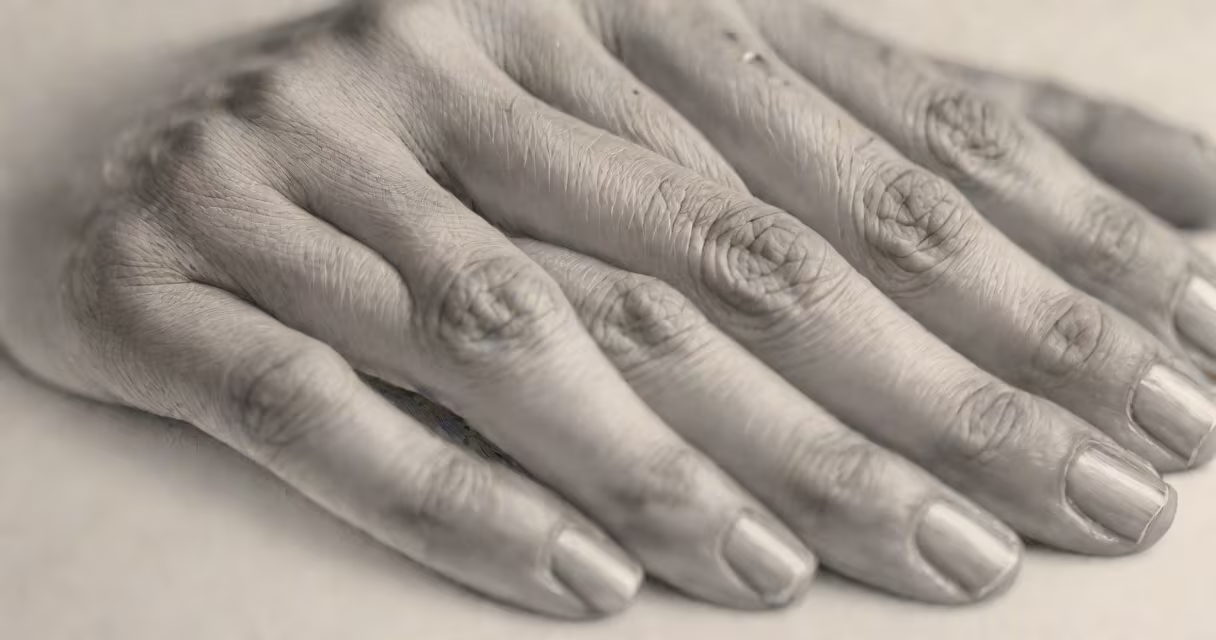
Grey skin indicates reduced blood flow or low oxygen levels in the tissues, often signaling a medical emergency such as cyanosis, shock, or severe illness. It results from deoxygenated hemoglobin accumulating in capillaries near the skin surface.
Cyanosis-the most common cause of grey skin-is a bluish or ash-gray discoloration due to insufficient oxygen in the blood. According to the American Academy of Family Physicians, cyanosis becomes visible when arterial oxygen saturation drops below 85%. This threshold is critical because symptoms may not appear until oxygen levels fall.
Grey skin can also stem from pallor, which occurs when blood vessels constrict and reduce blood flow to the skin. Pallor is often linked to anemia, hypotension, or cold exposure. Unlike cyanosis, pallor appears as a washed-out white or greyish tone, especially in the face, lips, and nail beds.
When red blood cells carry less oxygen, their hemoglobin changes color from bright red to dark blue or purple. As this deoxygenated blood pools in superficial capillaries, the skin takes on a grey or bluish tint. This process is most noticeable in areas with thin skin and rich capillary networks-such as the lips, fingertips, and earlobes.
For example, a patient with chronic obstructive pulmonary disease (COPD) may develop grey skin during an acute exacerbation. Their lungs struggle to oxygenate blood effectively, leading to persistent cyanosis. A 2021 study in *Respiratory Care* found that 68% of COPD patients experiencing acute respiratory failure showed visible cyanosis in the extremities.
Other causes include heart failure, septic shock, and exposure to certain toxins. Carbon monoxide poisoning, for instance, binds tightly to hemoglobin, forming carboxyhemoglobin that appears cherry-red-not grey-but can still lead to tissue hypoxia and secondary grey discoloration in later stages.
Grey skin isn't a single condition. It's a sign of underlying dysfunction. The table below outlines major categories, their mechanisms, and typical triggers.
| Type | Underlying Cause | Typical Location | Associated Conditions |
|---|---|---|---|
| Cyanotic | Low arterial oxygen saturation | Lips, nails, fingertips | COPD, pneumonia, heart defects |
| Pallid | Reduced blood flow or anemia | Face, palms, mucous membranes | Anemia, shock, Raynaud's phenomenon |
| Chronic grey tone | Long-term circulatory or metabolic issues | Entire body, especially limbs | Advanced liver disease, kidney failure |
One non-obvious distinction: grey skin from cyanosis is usually symmetrical and appears first in distal areas (fingers, toes). Pallor from shock or anemia often affects the face and mucous membranes first. This pattern helps clinicians differentiate between causes.
Grey skin is frequently mistaken for pallor caused by stress or fatigue. However, fatigue-related paleness typically resolves with rest and hydration. Persistent grey skin, especially with shortness of breath or dizziness, requires immediate evaluation.
Another error is assuming grey skin always means low oxygen. In rare cases, medications like methylene blue or certain antibiotics can alter hemoglobin's appearance, creating a greyish hue without actual hypoxia. These instances are uncommon but show the need for lab confirmation.
I once observed a 67-year-old man in a primary care clinic whose fingers had turned grey during a routine visit. He reported no pain or cold sensitivity. Initial assessment suggested anxiety. But when his oxygen saturation dropped to 79% on pulse oximetry, we admitted him for suspected pulmonary embolism. He later confirmed a large clot in his pulmonary artery. This case underscores that grey skin can be subtle-especially in older adults-and must not be dismissed as "just tired."
Any sudden onset of grey skin, particularly with breathing difficulty, chest pain, confusion, or cold extremities, demands urgent care. The American Heart Association advises seeking emergency treatment within 15 minutes of symptom onset if cyanosis is present.
Healthcare providers assess grey skin through physical exam, pulse oximetry, and blood gas analysis. A PaO₂ level below 60 mmHg confirms hypoxemia. Arterial blood gas testing provides definitive diagnosis.
Treatment depends on the root cause. For cyanosis due to lung disease, supplemental oxygen is standard. In heart failure, diuretics and vasodilators improve perfusion. Anemia may require iron supplements or transfusion.
Early intervention improves outcomes. A 2020 review in *The Lancet Respiratory Medicine* showed that patients with cyanosis treated within two hours of presentation had a 40% lower mortality rate compared to those delayed beyond four hours.
Grey skin is not a standalone diagnosis. It's a warning sign. Recognizing it early-especially in vulnerable populations like infants, elderly patients, or those with chronic illness-can prevent life-threatening complications.