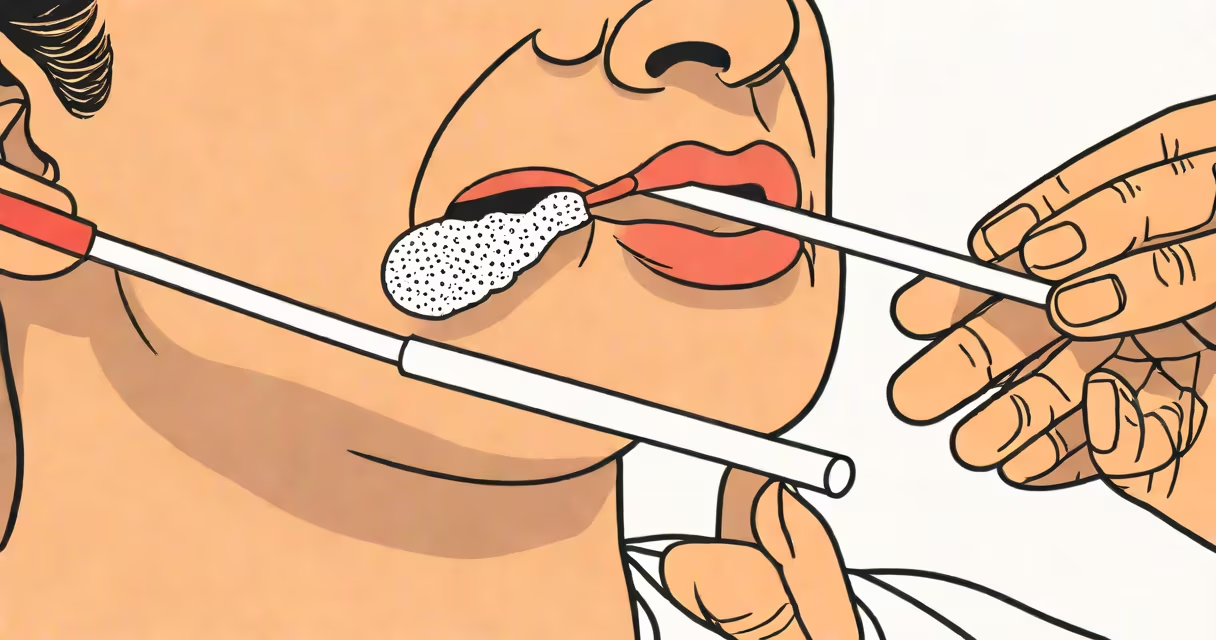
Colonized MRSA means a person carries methicillin-resistant Staphylococcus aureus bacteria on their skin or in their nose without showing signs of illness. The bacteria live harmlessly on the surface but can spread to others and cause serious infections if they enter the bloodstream or wounds.
MRSA, or methicillin-resistant Staphylococcus aureus, is a strain of staph bacteria that resists many common antibiotics. When someone is colonized, they're a silent carrier-no fever, no redness, no pain-but they can still transmit the germ through direct contact or contaminated surfaces. This makes colonization a major concern in hospitals, nursing homes, and long-term care facilities.
According to the Centers for Disease Control and Prevention (CDC), about 1 in 3 people carry staph bacteria on their skin or in their nose, but only a small fraction carry MRSA. Among hospitalized patients, the prevalence of MRSA colonization ranges from 1% to 10%, depending on the unit and patient population. The CDC emphasizes that colonization increases the risk of developing an infection later, especially during surgery or after invasive procedures.
Staphylococcus aureus naturally lives on human skin and mucous membranes. In most cases, it causes no harm. But when the bacterium develops resistance to beta-lactam antibiotics-like methicillin, oxacillin, and penicillin-it becomes MRSA. Resistance arises through genetic mutations, often due to widespread antibiotic use.
Colonization occurs when MRSA settles in areas with high moisture and warmth: the nostrils, armpits, groin, and around the anus. The bacteria attach to epithelial cells using proteins like clumping factor and fibronectin-binding protein. Once established, they multiply slowly and avoid immune detection by altering surface antigens.
A 2021 study published in *The Lancet Infectious Diseases* found that MRSA colonization persists in 30% of carriers for over six months without treatment. This persistence highlights why routine screening is recommended in high-risk settings. Carriers may unknowingly pass the bacteria to others via touch, shared equipment, or airborne particles from wound drainage.
Colonization is classified by location and duration:
| Type | Description | Risk Level |
|---|---|---|
| Nasal | Most common site; detected via nasal swab testing | High |
| Genital | Found in 5-10% of colonized individuals; linked to sexual transmission | Moderate |
| Perianal | Common in ICU patients; associated with poor hygiene | High |
| Wound/Drainage | Can occur post-surgery; indicates potential for active infection | Very High |
People at highest risk include those in long-term care facilities, patients undergoing dialysis, and individuals with chronic wounds. A 2022 report from the National Healthcare Safety Network (NHSN) showed that patients colonized with MRSA were 3.7 times more likely to develop a hospital-acquired infection than non-colonized patients.
Healthcare workers are also vulnerable. A 2020 study in *Infection Control & Hospital Epidemiology* found that 12% of nurses tested positive for MRSA colonization after working in intensive care units for over a year. This underscores the need for consistent hand hygiene and protective gear, even when staff feel healthy.
Many assume that colonized MRSA means the person is sick. That's false. Colonization is asymptomatic. A person can carry MRSA for weeks or months without knowing it. The absence of symptoms doesn't mean safety-it means stealth.
Another common error is thinking that colonization automatically leads to infection. While colonization increases risk, most carriers never develop illness. The CDC estimates that fewer than 10% of MRSA carriers progress to symptomatic infection each year. However, the threshold for intervention is low because even one case can trigger an outbreak.
Some patients also confuse colonization with infection. An infected person shows redness, swelling, pus, and fever. A colonized person shows none of these. The difference matters clinically: treating colonization with antibiotics is ineffective and promotes further resistance. Instead, prevention focuses on decolonization protocols in high-risk groups.
In 2019, a New York City hospital reported a cluster of MRSA bloodstream infections among post-surgical patients. All affected individuals had undergone hip replacement surgery. Initial tests revealed that 14% of the surgical team were colonized with MRSA, including two nurses who had no symptoms.
Upon investigation, the hospital traced the source to a shared towel used during patient transfers. The towels were not changed between surgeries. Environmental swabs confirmed MRSA presence on the towel and on the hands of staff who handled it.
The facility responded by implementing daily screening for all surgical staff and replacing reusable towels with single-use disposable ones. After six months, the rate of MRSA infections dropped by 78%. This case illustrates how asymptomatic carriage can fuel outbreaks-and how targeting colonization prevents harm.
For patients at high risk-such as those scheduled for implant surgery-healthcare providers may recommend decolonization. This involves applying mupirocin ointment inside the nostrils twice daily for five days and bathing with chlorhexidine soap. Studies show this reduces MRSA colonization rates by up to 60% in the short term.
However, decolonization isn't permanent. A 2023 review in *Clinical Microbiology Reviews* found that MRSA returns in 25% of patients within three months after treatment. Repeated cycles are not advised due to rising resistance to mupirocin.
Prevention remains the priority. Hand hygiene, proper sterilization of instruments, and isolation of known carriers reduce transmission. The World Health Organization (WHO) recommends screening all patients admitted to intensive care units in regions with high MRSA prevalence.
When MRSA is detected in a patient, isolation precautions are initiated. This includes wearing gloves and gowns, using dedicated equipment, and limiting visitor access. These steps stop the chain of transmission before it begins.
Colonized MRSA is not a disease. It's a state of bacterial presence without illness. The term "colonized" specifically means the organism resides on or in the body without causing inflammation or tissue damage. It's distinct from "infected," which implies active invasion and immune response.
If you've ever seen a patient with a clean surgical incision but a positive MRSA screen, that's colonization. The bacteria are there, waiting. They don't cause harm unless they breach the skin barrier or enter sterile sites like the bloodstream.
Colonized MRSA is a public health challenge rooted in invisible transmission. Its management relies on vigilance, not fear. With proper screening and infection control, the threat can be contained-even when the carrier feels perfectly well.