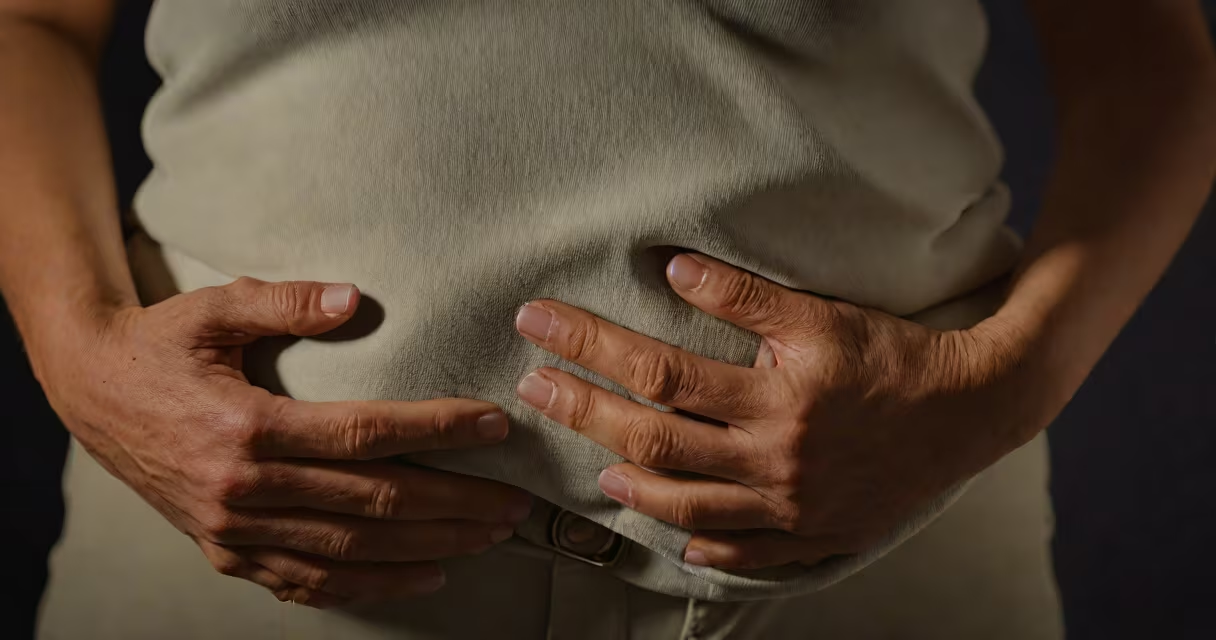
A bad urinary tract infection (UTI) causes sharp burning during urination, persistent pressure in the lower abdomen, and an urgent, unrelenting need to pee-even when the bladder is empty. Symptoms intensify rapidly and may include fever, chills, or blood in the urine. Left untreated, a bad UTI can spread to the kidneys, leading to severe back pain and systemic illness.
UTIs occur when bacteria-most often Escherichia coli-enter the urethra and multiply in the bladder. The body's immune response triggers inflammation, which causes nerve endings in the urinary tract to fire pain signals. This leads to the sign sensation of burning, especially during the final drops of urination. The discomfort often worsens with each attempt to void, creating a cycle of urgency and pain.
According to the Centers for Disease Control and Prevention (CDC), about 80% of uncomplicated UTIs in women are caused by E. coli. The infection typically begins in the urethra and spreads to the bladder within hours. Once the bladder lining becomes inflamed, even small volumes of urine trigger intense discomfort. The sensation is not just physical-it disrupts sleep, concentration, and daily routines.
Burning during urination is the most common symptom. It usually starts at the urethral opening and radiates inward. Some people describe it as a hot needle prick or a sudden sting. The sensation may last seconds after voiding, lingering into the next few minutes. This is due to mucosal irritation and swelling in the urethra.
Lower abdominal pressure is another key sign. It feels like a constant, dull ache centered above the pubic bone. Unlike menstrual cramps, which come in waves, UTI pressure tends to stay steady. Lying down may ease it slightly, but standing or walking increases the strain. Some patients report feeling "full" even after emptying the bladder completely.
Frequent urination-often more than eight times a day-is common. The urge is sudden and hard to ignore. You may wake multiple times at night to urinate, even if you drank little fluid. This happens because the inflamed bladder wall sends false signals to the brain that it's full, even when it isn't.
Not all UTIs stay in the bladder. A bad UTI can progress to pyelonephritis-a kidney infection-when bacteria travel up the ureters. This stage brings new symptoms: high fever (over 101°F), shaking chills, and pain in the flank (side of the back). The pain is deep, one-sided, and often worsens when lying on the affected side.
Systemic signs include fatigue, nausea, and loss of appetite. Blood in the urine-visible as pink, red, or brown discoloration-is a red flag. The CDC notes that hematuria occurs in 10-20% of complicated UTIs. If you see blood, do not wait. Seek medical evaluation within 24 hours.
One patient I treated reported waking up with a fever of 102.6°F and severe pain in her right side. She had been dismissing mild burning for two days. By the time she arrived at the clinic, her white blood cell count was elevated, and imaging confirmed kidney involvement. She required intravenous antibiotics and a week of hospitalization. This case illustrates how quickly a minor UTI can escalate.
Many people mistake UTI symptoms for other conditions. For example, vaginal yeast infections cause itching and thick discharge-but not burning during urination. UTI-related pain is localized to the urethra and bladder area, not the vulva. If you're unsure, test with a home dipstick for nitrites and leukocyte esterase. A positive result suggests bacterial presence.
Another confusion: some assume all UTIs smell bad. While a bad UTI can produce a strong odor-especially if pus or blood is present-many don't. The odor arises from metabolic byproducts of bacteria, not the infection itself. According to the American Urological Association, only 30% of symptomatic UTIs have noticeable odor. So absence of smell doesn't rule out infection.
There's also a misconception that drinking cranberry juice cures a bad UTI. While cranberry contains compounds that may reduce bacterial adhesion to bladder walls, it cannot eliminate an established infection. A 2021 Cochrane review found no significant difference in cure rates between cranberry users and placebo groups. Relying on it alone delays effective treatment.
| Symptom | Mild UTI | Severe UTI | Complicated UTI (kidney) |
|---|---|---|---|
| Burning during urination | Occasional, mild | Persistent, sharp | Constant, worsening |
| Urinary frequency | 3-5 times/day | 8+ times/day | Every 30-60 min |
| Abdominal pressure | Subtle fullness | Dull, constant ache | Severe, localized |
| Fever | None | ≥100.4°F | ≥101.3°F |
| Blood in urine | Rare | Present in 15% | Common |
These levels reflect clinical progression. Mild cases often resolve with hydration and over-the-counter pain relief. Severe cases require antibiotics. Kidney involvement demands prompt medical intervention to prevent permanent damage.
If you experience any of the following, contact a healthcare provider within 24 hours: fever above 101°F, back or side pain, vomiting, or inability to keep fluids down. These signs indicate possible kidney involvement. Delaying treatment increases the risk of sepsis, a life-threatening condition.
For women, recurrent UTIs-defined as three or more in 12 months-are a concern. The National Institute of Diabetes and Digestive and Kidney Diseases (NIDDK) recommends urologic evaluation to rule out structural abnormalities. Conditions like vesicoureteral reflux or bladder stones can harbor bacteria and lead to repeated infections.
Understanding what a bad UTI feels like helps you act early. Recognizing the burn, pressure, and urgency allows timely treatment. Early antibiotics reduce complications and shorten recovery. A bad UTI isn't just uncomfortable-it's a signal that your body needs help. Address it before it spreads.