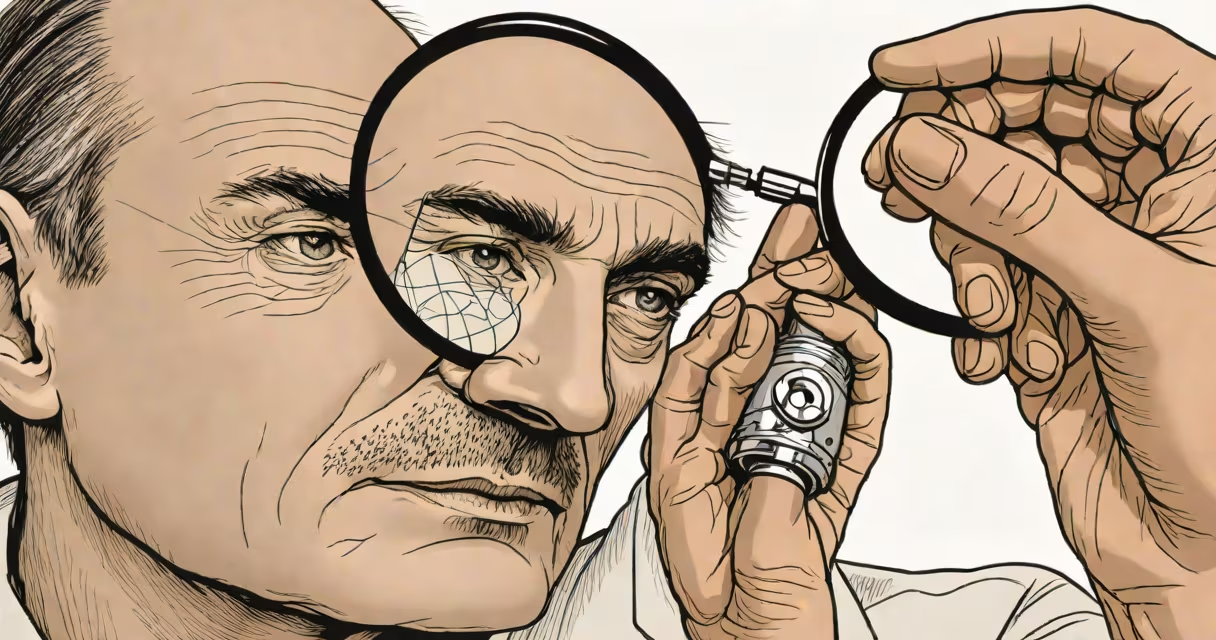
A dermatologist is the medical professional most qualified to diagnose and treat hair loss. They specialize in skin, hair, and nail conditions, making them the first-line expert for issues like thinning, balding, and patchy shedding.
Hair loss stems from genetics, hormones, stress, medications, or autoimmune conditions. A dermatologist evaluates the cause through physical exams, blood tests, and scalp biopsies. They prescribe treatments such as minoxidil, finasteride, or topical steroids based on diagnosis.
For complex cases, a dermatologist may refer patients to a trichologist-a specialist in hair and scalp health-or a board-certified plastic surgeon for hair transplant procedures. Not all doctors have the training to distinguish between androgenetic alopecia, telogen effluvium, or alopecia areata, which require precise treatment paths.
Dermatologists begin with a detailed history: timeline of hair loss, recent illnesses, medication changes, diet shifts, and family history. They examine the scalp under a dermatoscope-a handheld device with magnification-to assess hair density, follicle size, and signs of inflammation or scarring.
If the pattern suggests hormonal imbalance, they order blood work to check thyroid function, iron levels, vitamin D, and testosterone. Low ferritin (iron stores) below 30 ng/mL is linked to increased shedding, according to the American Academy of Dermatology Association (AAD).
For suspected autoimmune causes like alopecia areata, a scalp biopsy may confirm lymphocytic infiltration around follicles. This step differentiates it from other forms of hair loss and guides therapy, such as intralesional corticosteroid injections.
Not all healthcare providers manage hair loss equally. The correct specialist depends on the underlying condition.
| Type of Hair Loss | Primary Specialist | Treatment Focus |
|---|---|---|
| Androgenetic alopecia (male/female pattern baldness) | Dermatologist | Topical minoxidil, oral finasteride, low-level laser therapy |
| Stress-induced shedding (telogen effluvium) | Dermatologist or primary care physician | Address triggers like surgery, childbirth, or crash diets; regrowth typically occurs within 6-12 months |
| Alopecia areata (patchy, sudden hair loss) | Dermatologist | Intralesional steroids, topical immunotherapy, JAK inhibitors (e.g., ruxolitinib cream) |
| Medication-related thinning (e.g., buspirone, anticoagulants) | Dermatologist or prescribing physician | Review drug list; consider alternatives; monitor progression |
Some patients assume their primary care provider can manage hair loss. While PCPs can rule out systemic issues like hypothyroidism, they lack the tools to evaluate scalp health or interpret advanced imaging. A 2021 study in *JAMA Dermatology* found that 68% of patients with unexplained hair loss were initially misdiagnosed by non-specialists.
I once saw a patient who lost half her hair after starting buspirone for anxiety. Her PCP assumed it was stress-related. Only after a dermatologist reviewed her medication list and confirmed the known association between buspirone and telogen effluvium did she stop the drug and begin recovery. The hair began regrowing in four months.
Many people believe hair loss is purely genetic and irreversible. That's incorrect. While androgenetic alopecia progresses slowly, early intervention can slow or reverse thinning. Minoxidil applied twice daily shows visible improvement in 60% of users within six months, per a 2020 clinical trial published in *The Journal of Clinical and Aesthetic Dermatology*.
Another myth is that shampoos or supplements can replace prescription treatments. Products labeled "for hair growth" often contain biotin, caffeine, or saw palmetto-but evidence for their efficacy is weak. A 2022 review in *Dermatologic Therapy* concluded that only minoxidil and finasteride have consistent, peer-reviewed support for treating male-pattern hair loss.
Some patients avoid seeing a doctor due to fear of being told nothing can be done. But even in advanced cases, treatments exist. Platelet-rich plasma (PRP) therapy, though still under research, shows modest results in improving hair density in select patients.
See a dermatologist if you notice:
Early evaluation improves outcomes. Delaying care increases the risk of permanent follicle damage, especially in scarring alopecias like lichen planopilaris.