High blood pressure, or hypertension, is diagnosed when blood pressure readings consistently reach or exceed 130/80 mm Hg. This threshold is based on guidelines from the American Heart Association and the American College of Cardiology, which updated standards in 2017 to reflect stronger evidence linking elevated readings to cardiovascular risk.
Blood pressure measures force against artery walls during heartbeats (systolic) and between beats (diastolic). A reading of 130/80 mm Hg or higher indicates hypertension. For context, normal blood pressure is below 120/80 mm Hg. Readings between 120-129 systolic and less than 80 diastolic are classified as elevated, signaling early warning signs.
Consistently high readings increase strain on arteries and the heart, raising long-term risks for stroke, heart attack, kidney disease, and vision loss. Early detection through routine screening is critical-many people with hypertension have no symptoms until damage occurs.
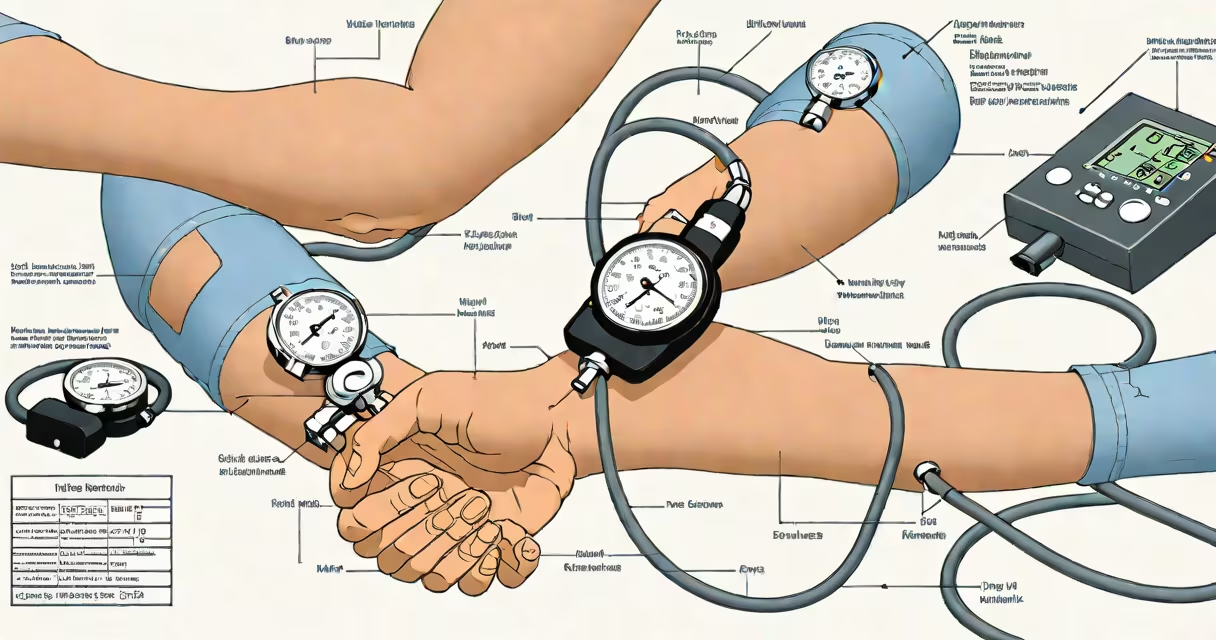
Healthcare providers measure blood pressure using a sphygmomanometer, typically in a clinical setting. Patients may also use home monitoring devices, which are recommended for tracking trends over time. Accurate measurement requires sitting quietly for five minutes, feet flat on the floor, and the arm supported at heart level.
The classification system divides readings into stages:
| Blood Pressure Category | Systolic (mm Hg) | Diastolic (mm Hg) |
|---|---|---|
| Normal | <120 | <80 |
| Elevated | 120-129 | <80 |
| Hypertension Stage 1 | 130-139 | 80-89 |
| Hypertension Stage 2 | ≥140 | ≥90 |
| Stage 3 Hypertensive Crisis | >180 | >120 |
Stage 2 hypertension (≥140/90 mm Hg) often requires medication alongside lifestyle changes. A hypertensive crisis (≥180/120 mm Hg) demands emergency care due to immediate risk of organ damage.
One common mistake is assuming that a single high reading confirms hypertension. Diagnosis requires multiple measurements over time. A single elevated reading may result from stress, caffeine, or improper technique. Confirmatory testing is standard practice.
Uncontrolled hypertension damages blood vessels over time. This increases the likelihood of atherosclerosis-the buildup of plaque in arteries-which raises the risk of heart attacks and strokes. The American Heart Association reports that nearly half of U.S. adults have hypertension, and many are unaware of their condition.
Chronic high pressure forces the heart to work harder, leading to left ventricular hypertrophy-a thickening of the heart muscle that reduces pumping efficiency. Over time, this can progress to heart failure. Kidneys also suffer, as damaged small blood vessels impair filtration function, potentially leading to chronic kidney disease.
A non-obvious fact: high blood pressure often coexists with insulin resistance, metabolic syndrome, and obesity. These conditions form a cluster that multiplies cardiovascular risk. Even mild elevations in systolic pressure above 120 mm Hg correlate with increased mortality over decades, according to longitudinal data from the Framingham Heart Study.
Many assume that high blood pressure causes obvious symptoms like headaches or dizziness. In reality, hypertension is often asymptomatic-earning it the nickname "silent killer." Symptoms, when they occur, are usually late-stage indicators of organ damage.
Another misconception is that only older adults develop hypertension. While prevalence rises with age, younger adults and even adolescents can have elevated readings due to poor diet, sedentary lifestyles, or genetic predisposition. The CDC notes that approximately 1 in 6 U.S. adults aged 18-39 have hypertension.
Some patients believe that if they feel fine, their blood pressure must be normal. This is false. The absence of symptoms does not equate to healthy blood pressure. Routine screening is essential-even for otherwise healthy individuals.
Consider a 52-year-old office worker who visits his primary care provider for a routine check-up. His initial reading is 142/90 mm Hg. He repeats the test the next day while fasting and relaxed-reading is 140/88 mm Hg. A third measurement a week later shows 138/86 mm Hg. All three readings exceed 130/80 mm Hg.
Based on these results, the provider diagnoses stage 1 hypertension. The patient is advised to reduce sodium intake, increase physical activity, and monitor blood pressure at home twice daily for two weeks. If readings remain above 130/80 mm Hg, medication such as an ACE inhibitor may be initiated.
This example illustrates that diagnosis relies on consistency, not a single spike. It also shows that early intervention can prevent progression to more severe stages.
High blood pressure is not a single event-it's a pattern. Monitoring, consistency, and timely medical guidance are essential for reducing long-term harm.