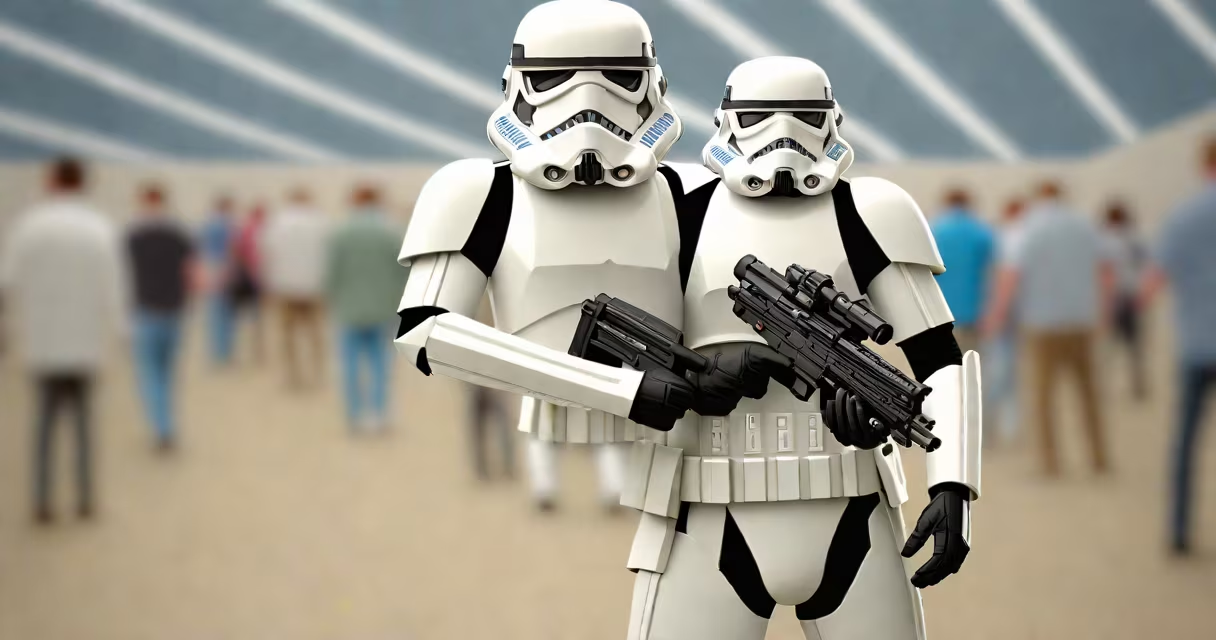
Cosplay is the practice of wearing a costume and adopting the mannerisms of a fictional character, typically from anime, manga, video games, or film. It combines fashion, performance, and fandom into a visible form of personal expression. Participants often spend weeks crafting or sourcing materials to replicate costumes with high accuracy.
The term itself is a blend of "costume play," coined in Japan during the 1980s. It emerged from science fiction and anime conventions, where fans began dressing as their favorite characters. Today, cosplay spans continents and includes thousands of events annually, from small local gatherings to massive international conventions like Comic-Con in San Diego.
While often associated with anime or video game characters, cosplay includes depictions of historical figures, superheroes, fantasy creatures, and even original creations. The core element remains transformation-adopting a persona through appearance, posture, and behavior. This act is not limited to visual representation; many cosplayers incorporate voice modulation, choreographed movements, or scripted interactions to deepen immersion.
Cosplayers begin by selecting a character they identify with or admire. They then research the character's design-color schemes, textures, accessories, and proportions-to ensure authenticity. This phase may involve studying official artwork, animation frames, or promotional stills.
Construction methods vary widely. Some use off-the-rack clothing modified with paint, patches, or foam pieces. Others build custom armor using EVA foam, plastic, or resin. A few rely on professional tailoring or 3D printing for precision parts. For example, a full-scale Iron Man suit requires over 60 individual components, including articulated joints and LED lighting systems.
At events, cosplayers often pose for photos, perform skits, or compete in categories like Best Craftsmanship or Most Creative. Judges assess attention to detail, material quality, and presentation. A 2023 study by the International Association of Fandom Studies found that 78% of participants cited emotional connection to the character as their primary motivation, not competition.
Not all cosplay is the same. The style chosen depends on intent, skill level, and event context. Here's a breakdown of common forms:
| Type | Description | Example |
|---|---|---|
| Realistic | High-fidelity recreation of a character's appearance, often using advanced materials and techniques. | A life-sized Groot figure built from foam and fabric, complete with animated eyes and sound effects. |
| Original | Self-created character designs not based on existing media. | A cyberpunk samurai with bioluminescent tattoos and a plasma katana, designed for a speculative universe. |
| Genderbend | Reimagining a character of one gender as another, often to explore identity or challenge norms. | A male version of Sailor Moon, featuring the iconic sailor fuku with a masculine silhouette and altered hair color. |
| Low-budget | Simple, DIY versions made from household materials or thrifted clothes. | A homemade Pikachu costume stitched from yellow fabric and cardboard ears. |
One lesser-known distinction is between "static" and "changing" cosplay. Static cosplayers remain motionless during photo ops, focusing on perfect alignment and lighting. Changing cosplayers move, gesture, and sometimes perform short scenes. A 2022 survey by the Costume Society of America revealed that changing performers received 40% more engagement on social media platforms compared to static ones.
Many assume cosplay is purely about imitation or fashion. But it's not simply dressing up-it's a form of storytelling. A cosplayer who portrays a villain from a dark fantasy series may adopt a deeper voice, avoid eye contact, and stand slightly apart from others to convey menace. This behavioral layer separates cosplay from casual Halloween costumes.
Another myth is that only skilled crafters participate. In reality, entry barriers are low. Many beginners start with a single prop, like a wand or shield, and gradually expand their projects. The community values participation over perfection. As noted in a 2021 report by the National Museum of Play, 62% of first-time cosplayers attended events just to observe, not perform.
There's also confusion between cosplay and role-playing games (RPGs). While both involve assuming identities, RPGs emphasize narrative and improvisation within a structured system. Cosplay focuses on visual fidelity and public display. One participant at New York Comic Con told me, "I've played D&D for years, but I only started cosplaying after seeing someone recreate a Final Fantasy character exactly as drawn in the game manual."
Cosplay serves as a tool for identity exploration, especially among youth and marginalized groups. A 2020 study published in *Journal of Youth Culture* found that LGBTQ+ teens were twice as likely to report increased self-confidence after participating in cosplay events. The act of embodying a character who defies traditional gender roles or societal expectations offers psychological release and validation.
It also fosters cross-cultural exchange. Fans from Japan, Brazil, and Nigeria often collaborate online to create accurate representations of global characters. For instance, a group of cosplayers in Lagos, Nigeria, spent six months researching and building a Nigerian-inspired version of the Marvel character Shuri, incorporating Yoruba beadwork and Adire textile patterns.
Finally, cosplay contributes to economic activity. According to the U.S. Bureau of Economic Analysis, the cosplay industry generated $210 million in revenue in 2022, supporting small businesses that sell wigs, props, and specialized fabrics. Events like Anime Expo draw over 100,000 attendees annually, generating millions in tourism income.
Understanding what cosplay means begins with recognizing it as more than costume play. It's a living tradition of fan-driven creativity, cultural commentary, and personal transformation. seeing a stranger in a handmade dragon mask, you're witnessing a practice that blends art, identity, and community.