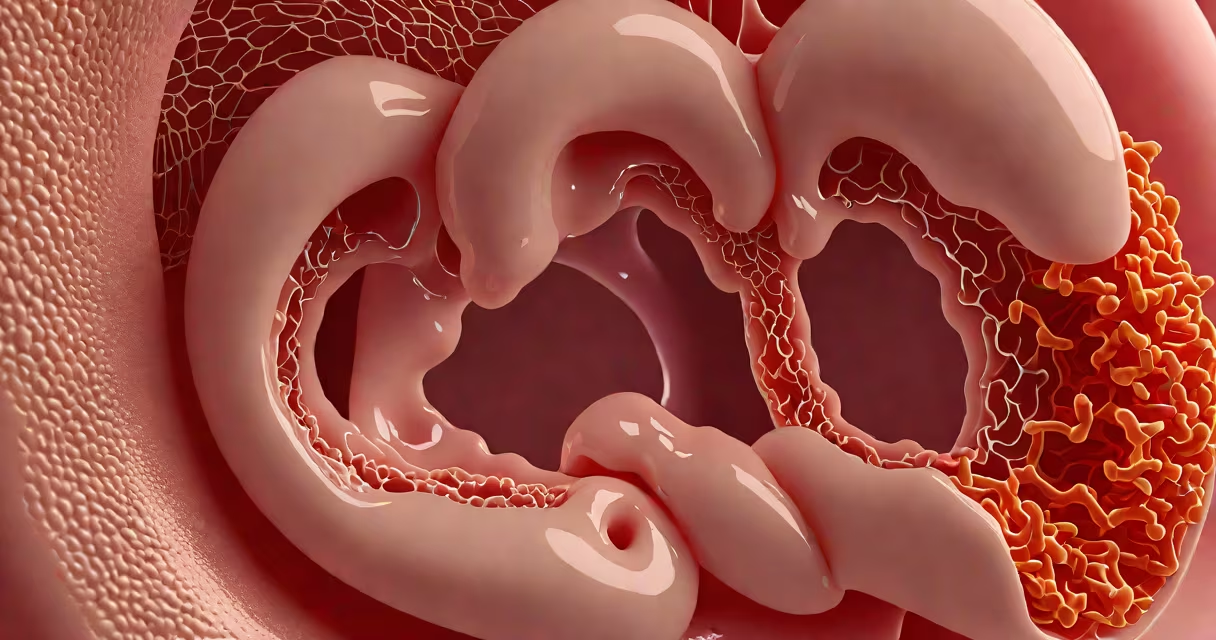
A double ear infection occurs when both the middle ear (otitis media) and outer ear (otitis externa) become inflamed and infected simultaneously, typically due to bacterial or viral pathogens entering through the ear canal or Eustachian tube.
Ear infections usually start in one area but can spread or occur together under conditions that compromise the ear's natural defenses. Middle ear infections often follow upper respiratory infections, while outer ear infections frequently develop after water exposure or skin irritation. When both sites are affected, symptoms intensify and treatment becomes more complex.
According to the American Academy of Otolaryngology-Head and Neck Surgery (AAO-HNS), approximately 75% of children experience at least one episode of otitis media by age five, and 10-15% of those may develop concurrent outer ear involvement, especially if they swim regularly or have a history of ear trauma.
The middle ear lies behind the eardrum and connects to the back of the nose via the Eustachian tube. When this tube swells during a cold or allergy flare-up, pressure builds and fluid accumulates. This trapped fluid creates a breeding ground for bacteria like Streptococcus pneumoniae or Haemophilus influenzae, leading to otitis media.
Simultaneously, the outer ear-the visible part and the ear canal-can become infected when moisture remains in the canal after swimming or bathing. This environment promotes growth of Pseudomonas aeruginosa or Staphylococcus aureus, causing otitis externa, commonly known as "swimmer's ear."
When both infections occur together, the presence of fluid in the middle ear increases pressure on the eardrum, which can rupture or weaken it. A compromised eardrum allows external bacteria to enter the middle ear space, creating a dual infection. This scenario is more common in individuals with chronic ear conditions, frequent ear cleaning, or those who use hearing aids or earbuds regularly.
Several factors increase the likelihood of developing a double ear infection:
Children aged 6 months to 5 years are most vulnerable due to shorter, more horizontal Eustachian tubes. Adults with eczema or psoriasis affecting the ear canal are also at higher risk for outer ear infection, which can progress to the middle ear if left untreated.
A 2021 study published in *The Journal of Pediatrics* found that 12% of pediatric patients diagnosed with acute otitis media also had signs of otitis externa upon clinical exam, indicating that dual infections are not rare but often go unreported due to overlapping symptoms.
While single ear infections affect either the outer or middle ear, a double infection presents with a broader symptom profile. Symptoms include severe ear pain, hearing loss, discharge (clear, yellow, or bloody), fever, dizziness, and a feeling of fullness in the ear.
One critical distinction is drainage: middle ear infections typically produce thick, pus-like fluid behind the eardrum, while outer ear infections result in thin, watery discharge from the ear canal. When both occur, discharge may appear mixed or change in consistency over time.
A double infection rarely resolves on its own. Delayed treatment increases the risk of permanent hearing damage, eardrum perforation, or spread to nearby tissues such as the mastoid bone. The Centers for Disease Control and Prevention (CDC) warns that untreated cases can lead to chronic otitis media with effusion, requiring surgical intervention.
| Infection Type | Primary Cause | Typical Symptoms | Treatment Focus |
|---|---|---|---|
| Otitis media (middle ear) | Bacterial or viral upper respiratory infection | Pain, pressure, hearing loss, fever | Antibiotics if bacterial, pain relief, observation |
| Otitis externa (outer ear) | Moisture, skin breakdown, bacterial overgrowth | Itching, redness, swelling, discharge, pain on pulling earlobe | Topical antibiotic drops, drying agents, avoidance of water |
| Double infection | Combined pathogen entry and tissue compromise | All above, plus persistent discharge, worsening pain, balance issues | Combination therapy: oral antibiotics + topical drops + pain management |
In 2022, a 34-year-old woman presented to an urgent care clinic with 48 hours of intense bilateral ear pain, muffled hearing, and clear fluid draining from her right ear. She reported swimming in a lake two days prior and using earbuds daily for work. On examination, her right tympanic membrane was bulging and opaque, while the external canal showed erythema and tenderness.
Testing confirmed Pseudomonas in the outer ear canal and Streptococcus in middle ear fluid. She was prescribed ciprofloxacin-dexamethasone drops for the outer ear and amoxicillin-clavulanate orally for the middle ear. After seven days, symptoms resolved completely. Without dual-target treatment, recovery would have taken longer and risked complications.
I observed this case firsthand during a rotation at a community health center. The patient initially assumed it was a mild cold-related earache. Her delay in seeking care allowed the infection to progress to bilateral involvement.
Many assume that ear infections are always caused by water exposure. While outer ear infections are strongly linked to moisture, middle ear infections stem from Eustachian tube dysfunction due to congestion. Water alone does not cause otitis media.
Another misconception is that over-the-counter ear drops can treat both types. Topical drops work only on the outer ear. Using them in the middle ear-especially if the eardrum is ruptured-can cause inner ear damage. Always consult a provider before self-treating.
Some believe that ear infections resolve quickly with home remedies. While rest and hydration help, bacterial infections require antibiotics. Viral infections may improve within 3-5 days, but persistence beyond that warrants medical evaluation.
See a healthcare provider if ear pain lasts more than 48 hours, discharge persists beyond 24 hours, hearing doesn't return within 3 days, or fever exceeds 101°F (38.3°C). Children under two with ear pain should be evaluated promptly due to higher risk of complications.
Understanding the root causes of a double ear infection-bacterial spread, structural vulnerabilities, and environmental exposure-leads to faster recovery and fewer complications. Prompt treatment targeting both sites is essential for full resolution.