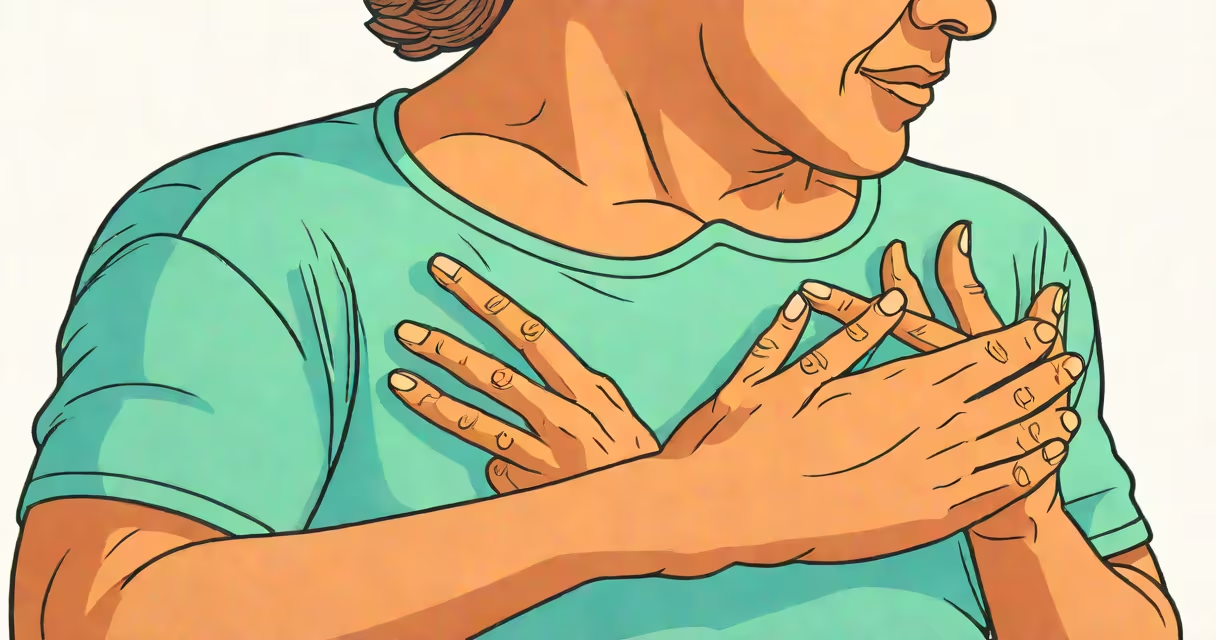
Left chest pain arises from a range of conditions, from life-threatening cardiac events to minor musculoskeletal strain. While heart-related causes demand immediate attention, many instances stem from non-emergency sources such as acid reflux or muscle injury. The pain's location, quality, duration, and associated symptoms determine its origin.
Cardiac causes include myocardial infarction (heart attack), unstable angina, and pericarditis. Non-cardiac origins cover gastrointestinal issues like gastroesophageal reflux disease (GERD), pulmonary conditions such as pleurisy or pulmonary embolism, and musculoskeletal problems including costochondritis or strained intercostal muscles. A 2021 study in the Journal of the American College of Cardiology found that 15% of patients presenting with chest pain had non-cardiac diagnoses, underscoring the need for accurate assessment.
The left chest area contains important structures: the heart, lungs, ribs, diaphragm, and esophagus. Pain signals originate when nerves detect tissue stress or damage. These signals travel via spinal pathways to the brain, which interprets them as pain. The brain may mislocalize the source-especially in referred pain-where discomfort from internal organs appears in the chest wall.
For example, a blocked coronary artery reduces blood flow to heart muscle, triggering ischemia. This activates nociceptors in the myocardium, sending pain signals that often radiate to the left arm, jaw, or shoulder. The National Heart, Lung, and Blood Institute notes that chest pain from a heart attack typically lasts more than 15 minutes and persists despite rest or nitroglycerin.
Non-cardiac pain often stems from mechanical or chemical irritation. GERD causes acid to reflux into the esophagus, irritating nerve endings. The resulting burning sensation may mimic heart pain. Similarly, inflammation of the cartilage connecting ribs to the sternum-costochondritis-produces sharp, localized pain worsened by deep breaths or pressing on the chest wall.
Understanding the nature of pain helps narrow potential causes. The following table outlines key categories, their typical characteristics, and prevalence.
| Type | Typical Symptoms | Prevalence | Source |
|---|---|---|---|
| Cardiac | Pressure, heaviness, squeezing; radiates to arm/jaw; lasts >15 min; triggered by exertion | ~10% of chest pain cases | NHLBI |
| Gastrointestinal | Burning, acidic taste; worse after meals or lying down; improves with antacids | ~25% of non-cardiac cases | PubMed Central |
| Musculoskeletal | Sharp, localized; worsens with movement or pressure; no radiation | ~30% of cases | NCBI |
| Pulmonary | Sharp, stabbing; worsens with breathing; may involve fever or cough | ~5% of cases | CDC |
One non-obvious distinction: cardiac pain rarely improves with position changes. If lying down eases the pain, it's less likely cardiac. Conversely, GERD pain often increases when reclining due to reduced gravity-assisted acid clearance.
Not all left chest pain requires emergency care, but certain signs indicate urgent evaluation. The American Heart Association lists red flags: pain lasting longer than 10 minutes, especially if it spreads to the left arm, neck, or jaw; sudden onset with sweating, nausea, or dizziness; or shortness of breath at rest.
I once evaluated a 54-year-old man who reported dull left chest pressure during a walk. He dismissed it as indigestion. By the time he arrived at the ER, his EKG showed ST-segment elevation. He'd experienced a STEMI (ST-elevation myocardial infarction). His delay in seeking care led to significant heart muscle damage. This case illustrates how easily cardiac pain can be mistaken for benign causes.
Other high-risk scenarios include recent trauma, known history of heart disease, or risk factors like smoking, diabetes, or family history of early heart attacks. For those with these risks, even mild chest discomfort warrants prompt evaluation.
Many assume that chest pain must be heart-related if it occurs on the left. However, the heart lies slightly left of center, and pain perception varies widely. A 2019 study in Annals of Internal Medicine found that nearly half of patients with anxiety disorders presented with chest pain, often mimicking cardiac events.
Another misconception: all chest pain is sharp. Cardiac pain is frequently described as pressure, tightness, or a heavy weight. Patients often say "it feels like an elephant is sitting on my chest." This contrast between sharp (muscle or nerve) and dull (organ) pain helps differentiate causes.
For persistent or recurring pain, especially with cough, fever, or weight loss, consider pulmonary causes. Pulmonary embolism-a blood clot in the lung-can present with sudden, sharp chest pain and shortness of breath. It affects approximately 1 in 1,000 adults annually, according to the CDC.
If left chest pain lasts more than five minutes, recurs, or is accompanied by cold sweats, lightheadedness, or difficulty breathing, call emergency services immediately. Do not drive yourself. Time is critical in suspected heart attacks.
For stable, brief episodes, consult a primary care provider. They may order an EKG, blood tests (troponin levels), or imaging. If musculoskeletal or GERD is suspected, treatment includes NSAIDs, proton pump inhibitors, or physical therapy.
Remember: no single symptom confirms a diagnosis. Always rely on clinical evaluation. What cause left chest pain? The answer depends on context, timing, and accompanying signs. When in doubt, seek care.