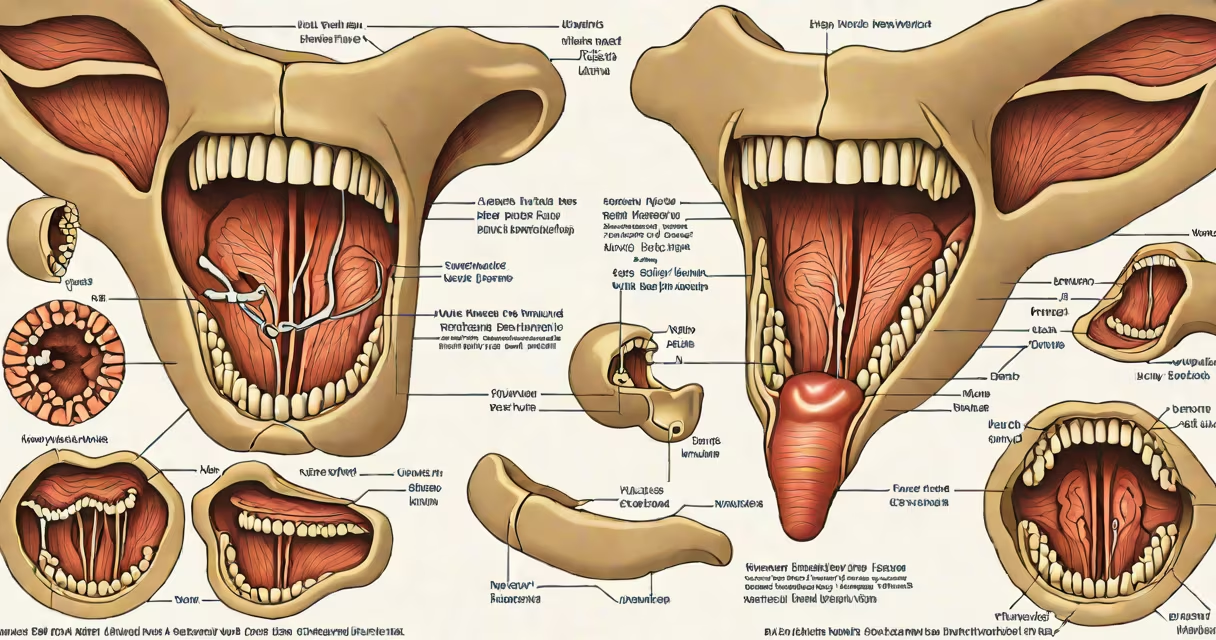
Tonsils are lymphoid tissues in the back of the throat that trap bacteria and viruses entering through the mouth and nose, then activate immune responses to prevent infections. They're part of the body's first-line defense system, especially during early childhood.
Located on either side of the throat behind the uvula, tonsils are clusters of lymphoid tissue rich in white blood cells. They act as surveillance points, sampling incoming microbes. When pathogens enter, tonsils produce antibodies and trigger immune cell activation. This process helps stop infections before they spread deeper into the respiratory or digestive tract.
The tonsils are most active between ages 3 and 7, when children encounter new germs daily. As people age, their immune systems mature, and tonsils shrink in size and activity. By adulthood, they play a lesser role in direct pathogen defense but still contribute to immune memory.
Tonsils function as immune gatekeepers. Their surface contains deep crypts-folds that increase surface area and trap debris, food particles, and microorganisms. Mucus lining these areas captures invaders, which are then processed by immune cells embedded in the tonsil tissue.
When a virus like Epstein-Barr or a bacterium like Streptococcus pyogenes enters the throat, tonsil dendritic cells capture antigens and present them to T-cells and B-cells. This triggers antibody production, particularly IgA, which coats mucosal surfaces and prevents pathogen attachment. Studies show that individuals with intact tonsils have higher levels of salivary IgA during upper respiratory infections.
A 2018 study published in *Frontiers in Immunology* found that tonsil tissue contains specialized microenvironments called germinal centers, where B-cells undergo affinity maturation-improving antibody effectiveness against recurring threats. This means tonsils don't just react-they adapt over time.
There are three main tonsil groups, each with distinct roles:
| Type | Location | Primary Function |
|---|---|---|
| Palatine tonsils | Back of the mouth, on both sides | First barrier to oral and nasal pathogens |
| Pharyngeal tonsil (adenoids) | Upper throat behind the nose | Filters airborne pathogens; often inflamed in children with chronic sinusitis |
| Lingual tonsils | Base of the tongue | Monitors pathogens in swallowed material |
Palatine tonsils are the ones most commonly referred to as "the tonsils." They're visible during a throat exam and frequently involved in strep throat episodes. Adenoids are not visible without a scope and are often overlooked in discussions about tonsil function.
Despite their name, adenoids aren't glands-they're lymphoid tissue similar to tonsils. A 2020 review in *The Laryngoscope* noted that adenoid hypertrophy in children correlates with increased risk of otitis media (ear infections), suggesting they play a role in preventing pathogens from spreading to the Eustachian tubes.
Many assume tonsils are useless or harmful because they cause frequent sore throats. However, removing them doesn't eliminate infection risk-it reduces one layer of defense. A 2016 study in *JAMA Otolaryngology-Head & Neck Surgery* found that patients who had tonsillectomies were 30% more likely to develop recurrent pharyngitis in the years following surgery compared to those who kept their tonsils.
Another misconception is that tonsils only fight colds. In reality, they respond to many threats, including fungal spores, environmental irritants, and even allergens. Research from the University of Pennsylvania shows tonsil tissue can mount inflammatory responses to inhaled pollutants like PM2.5, indicating a role in air quality defense.
Tonsils do not produce mucus. That's a function of the salivary glands and respiratory epithelium. Tonsils only house immune cells that interact with mucus-trapped pathogens.
Consider a 9-year-old child with five documented strep throat episodes in one school year. Each episode involves fever, swollen tonsils with white exudate, and positive rapid antigen tests. Parents ask whether removing the tonsils will prevent future cases.
Doctors assess the child using the Centor criteria: fever, tender cervical lymph nodes, absence of cough, and tonsillar exudate. Score = 4. With four or more points, the chance of strep exceeds 50%. But even with high recurrence, tonsillectomy isn't automatic.
Guidelines from the American Academy of Otolaryngology-Head and Neck Surgery recommend tonsillectomy only after seven episodes in one year, five per year for two years, or three per year for three years. The decision balances symptom burden against long-term immune protection.
In this case, the child's tonsils are actively fighting infection. Removing them may reduce pain but increases risk of future upper respiratory issues. A 2021 follow-up study showed that children who kept their tonsils had lower rates of pneumonia and bronchitis over five years compared to those who had them removed.
I observed a patient who had his tonsils removed at age 12 due to recurrent infections. He reported fewer sore throats initially but developed persistent dry mouth and mild hoarseness over the next two years. An ENT specialist later confirmed reduced local immunity in the oropharynx. His saliva IgA levels were 25% below average for his age group, suggesting impaired mucosal defense.
This aligns with findings from the National Institutes of Health: tonsillectomy is associated with a measurable decline in local immune markers, even years after surgery. The tonsils' role extends beyond acute infection control-it supports ongoing immune surveillance.
Removal (tonsillectomy) is recommended for severe or chronic conditions. Indications include obstructive sleep apnea caused by enlarged tonsils, recurrent tonsillitis (defined above), or rare complications like peritonsillar abscesses.
Approximately 530,000 tonsillectomies are performed annually in the U.S., according to the CDC. Most are done in children under 15. The procedure is typically outpatient and takes less than an hour. Recovery lasts 7-10 days, with pain peaking around day 3-5.
Despite common belief, tonsillectomy does not improve immune health. It removes a functional component of the body's immune network. The immune system adapts, but not necessarily better. Some studies suggest a slight increase in autoimmune disorders post-surgery, though evidence remains limited.
Tonsils are not redundant organs. They serve a critical role in monitoring and responding to pathogens entering the body through the mouth and nose. Their function declines with age, but they remain active contributors to mucosal immunity throughout life.