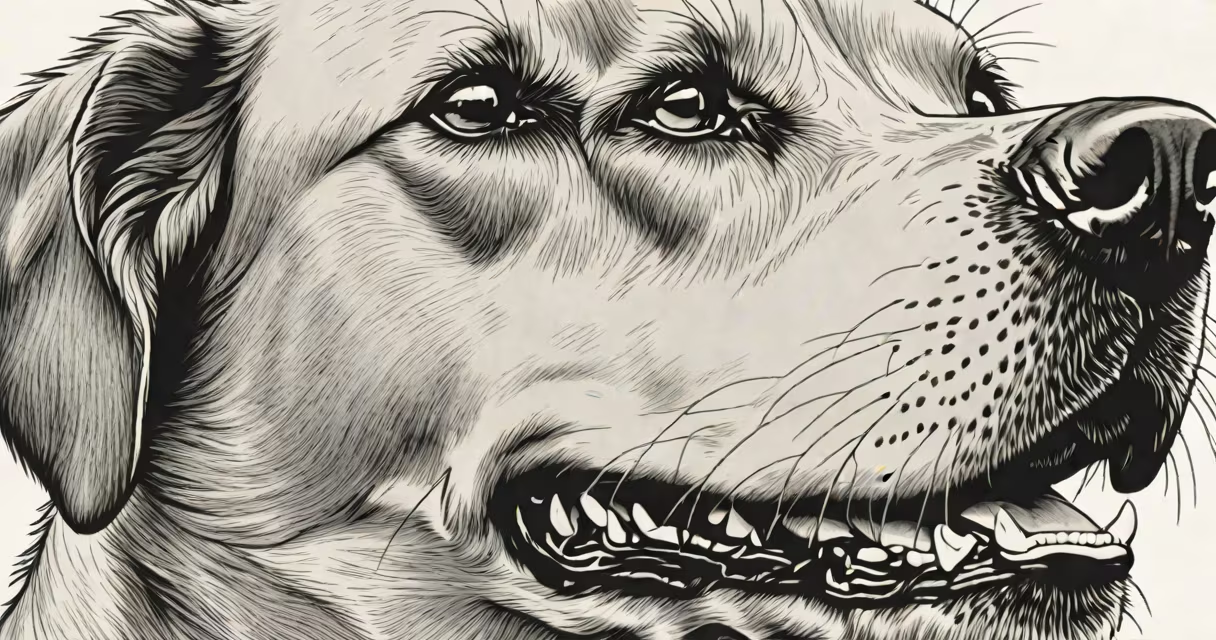
Dog lower jaw quivering refers to involuntary shaking or twitching in the lower jaw, often visible as rapid, small movements near the chin or mouth. This movement may occur during emotional states, physical discomfort, or neurological events. It is not a single condition but a symptom with multiple potential origins.
The motion typically involves the muscles around the mandible-the bone forming the lower jaw-and can appear as a subtle flutter or a more pronounced tremor. It is not the same as chewing or yawning. Observing whether the quivering occurs in isolation or alongside other behaviors-like ear flicking, lip licking, or changes in posture-is critical to interpretation.
While occasional jaw quivering in dogs is normal, especially during moments of high arousal, persistent or unexplained shaking may indicate underlying medical or behavioral concerns. Understanding context and frequency helps determine urgency.
When a dog's lower jaw quivers, it results from rapid contractions of the masseter and digastric muscles-those responsible for jaw movement. These contractions can be triggered by nerve signals originating in the brainstem or spinal cord. The signal pathway begins in the motor cortex or limbic system, depending on whether the trigger is emotional or physical.
For example, during intense focus-such as when a dog waits for a treat-the brain may send signals that cause micro-tremors in the jaw muscles. These are brief, low-amplitude movements that don't impair function. They're similar to the slight hand tremor some people experience when holding a hand steady.
However, when the quivering is sustained, irregular, or accompanied by drooling, difficulty eating, or head tilting, it suggests a disruption in neuromuscular control. This could stem from conditions like idiopathic facial nerve paralysis, hypocalcemia (low calcium), or even early-stage neurological diseases such as degenerative myelopathy.
Not all jaw quivering is the same. The cause determines whether the behavior is benign or requires veterinary attention. Below are the most frequent categories:
| Category | Typical Triggers | Duration & Pattern | Associated Behaviors |
|---|---|---|---|
| Emotional/Excitement-Based | Anticipation, joy, fear | Short bursts, stops when stimulus ends | Panting, tail wagging, ears forward |
| Pain-Related | Toothache, jaw injury, dental disease | Constant or worsening; may avoid chewing | Licking lips, pawing at mouth, reduced appetite |
| Neurological | Facial nerve damage, seizures, brain lesions | Unilateral (one side), progressive, may affect eyes or ears | Head tilt, drooping eyelid, facial asymmetry |
| Metabolic | Hypocalcemia, hypoglycemia | May coincide with weakness, confusion | Seizures, muscle stiffness, lethargy |
A key distinction often missed: jaw quivering due to anxiety or excitement rarely affects both sides equally. It usually starts on one side and may fade quickly. In contrast, neurological cases often show consistent unilateral involvement and do not resolve with calmness.
One non-obvious fact: jaw tremors in older dogs may precede full-blown symptoms of cognitive dysfunction syndrome (CDS). A 2021 study published in Journal of Veterinary Internal Medicine found that 34% of senior dogs showing repetitive jaw movements had early signs of CDS, even without memory loss or disorientation.
Any jaw quivering that lasts longer than 30 seconds without clear context-such as play, reward anticipation, or fear-should prompt a vet visit. Immediate concern arises if the quivering is accompanied by:
I once observed a 9-year-old terrier mix at a shelter who exhibited jaw quivering during quiet moments. The movement was subtle but consistent. After a full exam, we discovered mild hypocalcemia-low blood calcium levels-linked to early-stage kidney insufficiency. Correcting the imbalance resolved the tremors within days.
According to the American College of Veterinary Internal Medicine, jaw tremors in dogs are not diagnostic on their own. They require evaluation through blood work, imaging (like MRI or CT), and neurological exams to rule out serious conditions.
Dog lower jaw quivering is frequently mistaken for chewing, teeth chattering, or even seizure activity. Chewing involves deliberate, rhythmic jaw motion with full mouth closure. Teeth chattering-common in cold environments-occurs rapidly and often includes the upper jaw. Seizures involve full-body convulsions, loss of consciousness, and post-ictal drowsiness.
Another common error: assuming all jaw tremors are emotional. While excitement-induced quivering is normal, dismissing persistent tremors as "just being nervous" can delay diagnosis of conditions like inflammatory polyneuropathy or autoimmune disorders affecting peripheral nerves.
Even the term "trembling" is misleading. Tremors are continuous, rhythmic movements. Quivering is often erratic and brief. The difference matters in clinical assessment.
If you notice jaw quivering, consider recording a video-especially if it happens unpredictably. A vet can analyze timing, symmetry, and associated behaviors more accurately than verbal description.
Understanding dog lower jaw quivering starts with observation. Note frequency, duration, and context. If the behavior persists beyond brief episodes or interferes with eating, drinking, or comfort, consult a veterinarian promptly. Early intervention improves outcomes, especially when neurological or metabolic causes are involved.