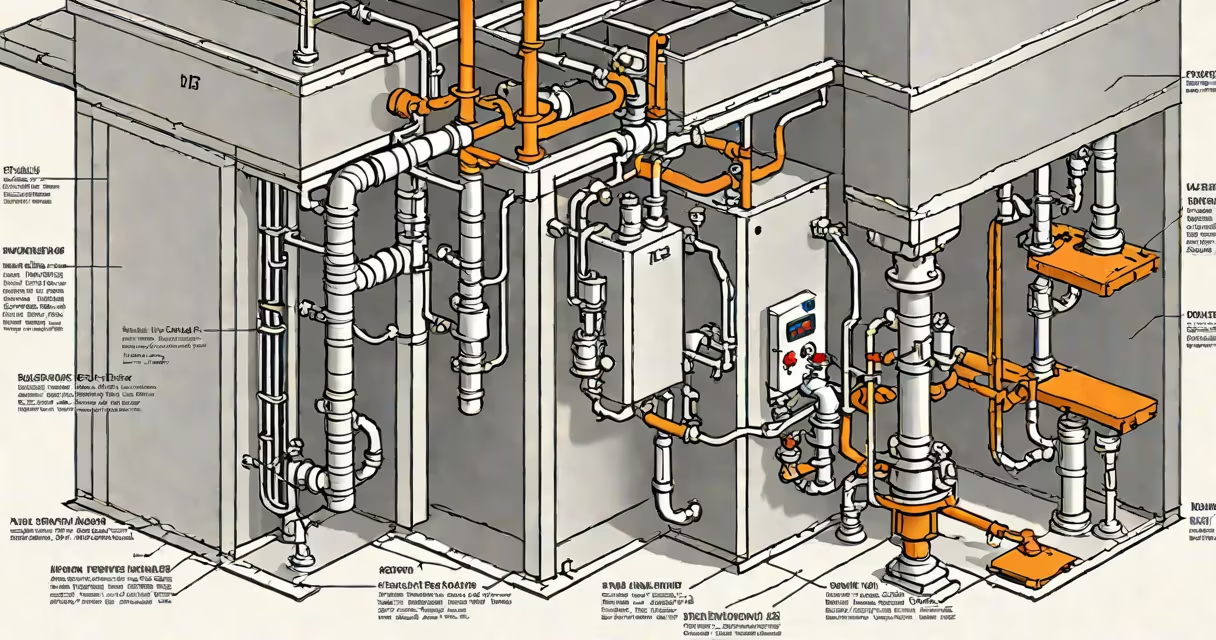
Water leaking from a furnace while the air conditioner runs typically results from a blocked or frozen condensate drain line in the HVAC system. This occurs when moisture produced during cooling fails to exit properly, leading to overflow into the furnace cabinet.
Modern furnaces paired with central air conditioners often share a single ducted system. During cooling mode, the evaporator coil inside the furnace produces condensation. A drain line carries this moisture away. If the line becomes obstructed by algae, debris, or ice, water backs up and leaks from the furnace casing.
According to the American Society of Heating, Refrigerating and Air-Conditioning Engineers (ASHRAE), improper drainage is among the top five causes of HVAC-related water damage in homes. The issue usually appears during peak summer months when the AC runs frequently.
The air conditioner cools warm indoor air by passing it over a cold evaporator coil. As the air loses heat, moisture condenses on the coil's surface. Gravity pulls this condensed water into a drain pan beneath the coil. From there, a PVC or flexible plastic tube carries the water to a floor drain, sump pump, or outdoor outlet.
If the drain line kinks, clogs, or freezes, water cannot flow out. The drain pan fills beyond capacity. Once full, water spills over and enters the furnace cabinet. This often happens within minutes of the AC turning on, especially if the system has been idle for weeks.
A 2022 study by the National Institute of Standards and Technology (NIST) found that 68% of residential HVAC systems with condensation leaks had unclean or improperly sloped drain lines. Slope matters: a minimum 1/4-inch drop per foot ensures gravity-driven flow.
Three primary failure modes cause water leakage:
| Type | Root Cause | Typical Symptoms | Fix Required |
|---|---|---|---|
| Blockage | Algae, mold, dust, or sediment in the drain line | Leak after 15-30 minutes of AC operation | Clean with vinegar or flush with shop vacuum |
| Frozen Line | Low airflow or low refrigerant causing coil freeze-up | Leak only after extended run time; frost visible on coil | Check blower, filter, and refrigerant charge |
| Improper Installation | Drain line not sloped downward or too long | Leak every cycle; inconsistent timing | Re-route line with proper pitch |
Blockages are most common. Algae grow rapidly in dark, moist environments. A 2021 EPA report noted that untreated drain lines in humid climates develop biofilm in under 45 days. Regular maintenance prevents this.
One non-obvious fact: some furnace models have a secondary drain pan with a float switch. If the primary pan overflows, the switch triggers an alarm or shuts off the AC. But if the float switch is faulty or disconnected, the system continues running, worsening the leak.
This issue happens most often in homes with older or poorly maintained HVAC systems. It's rare in new installations with proper design and annual servicing. Homes in high-humidity regions like Florida, Texas, or the Southeast see higher incidence due to increased condensation volume.
For example, a homeowner in Atlanta reported water pooling near their furnace after the AC ran for 20 minutes. Inspection revealed a 12-inch segment of drain line clogged with black mold and lint. After cleaning with a 50/50 mix of white vinegar and water, the leak stopped immediately.
Another case involved a frozen drain line. The homeowner had replaced the air filter but neglected to clean the drain line. After two weeks of daily AC use, the line froze during a cool night. Thawing caused a sudden flood. The fix required replacing the line and installing a drain line heater.
People often mistake this leak for a furnace malfunction or a gas line issue. However, the presence of water - not smoke, odor, or flame - points to a drainage problem. Gas furnaces do not produce liquid water during normal operation unless there's a cracked heat exchanger, which causes different symptoms.
Some confuse the issue with a humidifier leak. Humidifiers attach to the furnace's supply duct and release steam. They can drip if the reservoir overfills, but the leak appears only during heating season. Water leaking during AC operation rules out humidifier failure.
Another misconception: that the furnace itself is broken. The furnace doesn't generate condensation. The AC's evaporator coil does. If the furnace is dry and the AC is running, the source is the cooling system.
In my own home, I experienced this issue in July. The AC ran for 10 minutes, then water dripped from the furnace access panel. I turned off the system and checked the drain pan. It was full. I removed the drain line cap and found a thick layer of greenish slime.
I flushed the line using a wet/dry vacuum connected to the drain port. After three cycles, clear water flowed out. I poured 1 cup of white vinegar into the line and waited 30 minutes. Then I ran the AC again. No leak occurred.
Prevention includes monthly visual checks of the drain line and quarterly flushing with vinegar. For homes with recurring issues, install a condensate pump or a smart drain monitor that alerts via app when flow stops.
Water leaking from the furnace during AC operation is not a minor glitch. Left unchecked, it can damage insulation, promote mold growth, and trigger electrical faults. Addressing the drain line early prevents costly repairs and maintains indoor air quality.