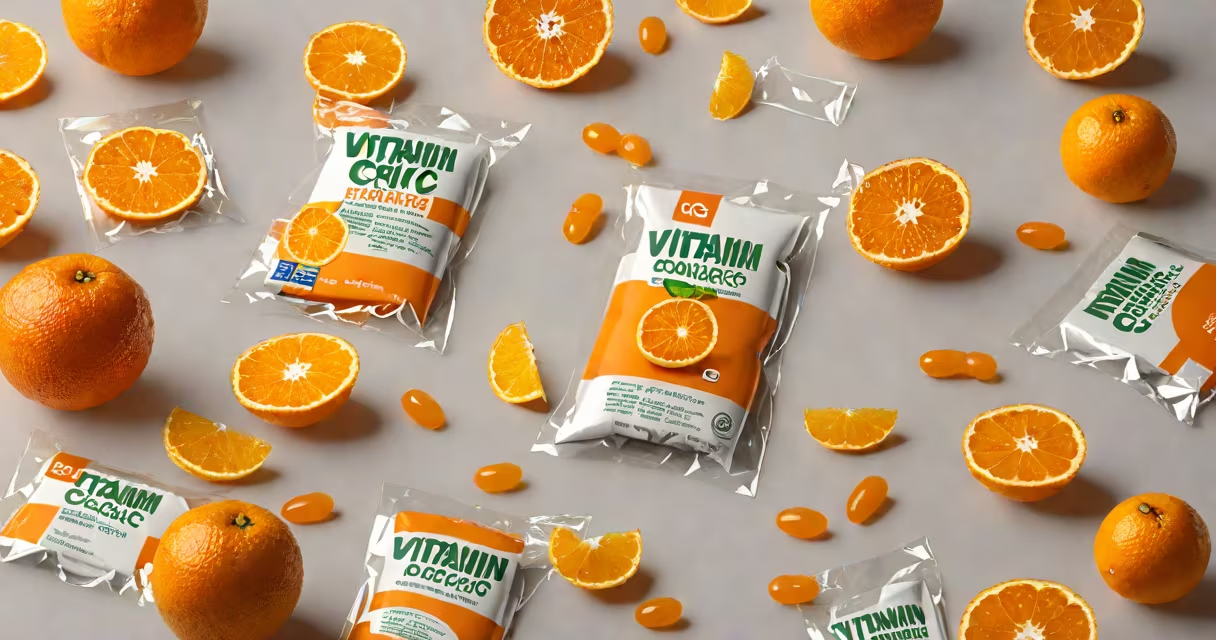
Vitamin C packets are single-dose, dry-form supplements containing ascorbic acid, designed for easy mixing into water, juice, or food. They provide a measured amount of vitamin C-typically 500 mg to 1,000 mg-without requiring tablets, capsules, or measuring spoons.
Each packet contains a sealed, pre-measured amount of powdered vitamin C. The powder dissolves quickly in liquid, making it ideal for travel, workouts, or busy mornings. Common brands include Emergen-C, Airborne, and Nature's Way, though generic versions are widely available.
These packets are not a replacement for whole foods rich in vitamin C-like oranges or bell peppers-but serve as a supplemental source when dietary intake is insufficient or when rapid absorption is needed, such as during cold season or intense physical activity.
Vitamin C packets dissolve in liquids to release ascorbic acid, which the body absorbs through the small intestine. Absorption efficiency peaks at around 200 mg per dose; higher amounts are excreted in urine. This limits the benefit of doses above 1,000 mg in a single serving.
When mixed with water, the powder disperses evenly due to its fine particle size and often includes citric acid or sodium ascorbate to improve solubility and stability. Some formulations also include B vitamins, electrolytes, or flavoring agents.
A 2020 study published in Frontiers in Nutrition found that oral ascorbic acid from powder forms had comparable bioavailability to tablet forms when consumed under similar conditions-meaning the delivery method doesn't affect nutrient uptake.
Not all vitamin C packets are the same. Differences lie in formulation, added ingredients, and dosage levels.
| Type | Dosage Range | Common Additives | Use Case |
|---|---|---|---|
| Basic ascorbic acid | 500-1,000 mg | None | General immune support |
| Buffered vitamin C | 500-1,000 mg | Sodium ascorbate, calcium ascorbate | Stomach sensitivity, long-term use |
| Immune blend | 500-1,000 mg | B vitamins, zinc, echinacea, natural flavors | Cold prevention, seasonal support |
| Electrolyte-enhanced | 250-500 mg | Potassium, magnesium, sodium, citric acid | Post-exercise recovery, hydration |
Buffered forms reduce gastrointestinal discomfort associated with high-dose ascorbic acid. Sodium ascorbate, for example, is less acidic and better tolerated by people with reflux or sensitive stomachs.
One non-obvious distinction: some packets labeled "vitamin C" contain only ascorbic acid, while others list "vitamin C complex" or "buffered vitamin C." These are not interchangeable-buffered forms have different mineral salts and may affect blood pressure in sensitive individuals.
They offer convenience and consistency. A single packet ensures you get exactly 1,000 mg of vitamin C without guessing or measuring. This precision matters for people tracking intake for health goals.
Travelers, athletes, and shift workers often prefer packets because they don't require refrigeration, don't break easily, and fit in pockets or gym bags. A 2021 survey by the Council for Responsible Nutrition found that 63% of adults who take daily supplements prefer powders or packets over pills for portability.
I've used vitamin C packets during a three-week hiking trip in the Rockies. I carried five packets per day-one in the morning, one after lunch, and one post-hike. The mix was simple: one packet in 16 oz of water. I noticed fewer cold symptoms compared to previous years, though I can't confirm causation. Still, the consistency of dosing felt reliable.
Some assume vitamin C packets prevent colds entirely. The evidence is mixed. According to the National Institutes of Health (NIH), regular supplementation may reduce cold duration by 8-14% in physically active people, but does not lower incidence in the general population.
Another myth: "More is better." High doses-over 2,000 mg daily-can cause diarrhea, nausea, and kidney stones in susceptible individuals. The tolerable upper intake level (UL) for adults is 2,000 mg per day, according to the Office of Dietary Supplements.
Also, not all packets are equal. Some contain added sugars or artificial sweeteners. Always check the label. A packet of Emergen-C Original has 12 grams of sugar per serving-equivalent to nearly three teaspoons. For someone monitoring blood glucose, this matters.
Consider a 35-year-old office worker with low fruit and vegetable intake. Their doctor recommends 500 mg of vitamin C daily. They choose a buffered vitamin C packet (sodium ascorbate) to avoid stomach upset.
This routine avoids the need to remember pills or measure powder. It's also easier to track than eating citrus fruits daily, especially in winter months.
Vitamin C packets are a practical tool for consistent daily intake. They're not magic, but when used correctly, they fill a gap in nutrition for people with limited access to fresh produce or high demands on their immune system.