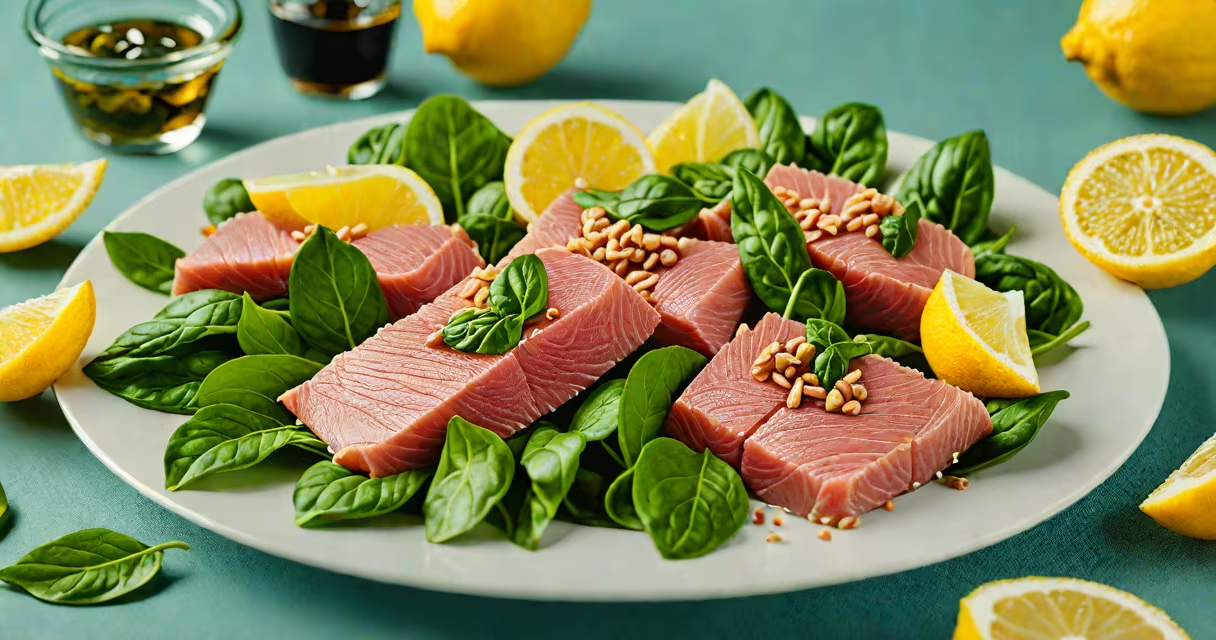
Tuna is effective for weight loss because it delivers high-quality protein with minimal calories, promotes fullness, and supports fat metabolism through omega-3 fatty acids. A 3-ounce (85g) serving provides about 22 grams of protein and just 90-100 calories, depending on preparation.
Protein-rich foods like tuna increase thermogenesis-the energy used to digest food-and reduce appetite hormones like ghrelin. This leads to lower calorie intake throughout the day. The American Council on Exercise notes that protein can boost daily energy expenditure by up to 20-30% compared to fats or carbs.
Canned tuna in water is the most practical form for weight management. It's shelf-stable, affordable, and requires no cooking. Opt for varieties packed in water rather than oil to avoid extra fat and calories. A single 3-ounce can contains roughly 1 gram of fat, while oil-packed versions may have 6-8 grams.
Weight loss occurs when energy intake is less than energy expenditure. Tuna helps create this deficit through multiple mechanisms. Its high protein content increases satiety, reducing hunger between meals. Studies show that people who consume higher-protein diets report greater satisfaction and eat fewer calories.
Omega-3 fatty acids in tuna-especially EPA and DHA-improve insulin sensitivity and reduce inflammation linked to fat storage. According to the National Institutes of Health, regular intake of omega-3s correlates with reduced visceral fat, the dangerous fat around organs associated with metabolic disease.
A 2020 study published in *Nutrients* found that participants consuming 150g of fish (including tuna) five times per week lost more abdominal fat than those eating less than once a week, even without changing other dietary habits.
Different tuna varieties differ in nutrient density and fat content. Choose based on your goals:
| Type | Protein (per 3 oz) | Fat (per 3 oz) | Calories (per 3 oz) | Best For |
|---|---|---|---|---|
| Canned light tuna (water) | 22 g | 1 g | 90 | Weight loss, budget-friendly |
| Canned albacore tuna (water) | 23 g | 2 g | 100 | Higher omega-3s, slightly more cost |
| Canned tuna in oil | 21 g | 6 g | 160 | Less ideal for weight loss |
| Grilled fresh tuna steak | 26 g | 4 g | 140 | High protein, moderate fat |
Light tuna (typically skipjack) has lower mercury levels than albacore, making it safer for frequent consumption. The FDA recommends up to 2-3 servings per week of light tuna and one serving of albacore to balance nutrition and safety.
Many assume tuna is inherently "low-fat" and thus automatically suitable for weight loss. But adding high-calorie condiments like mayo or creamy dressings negates its benefits. A tuna salad with 2 tablespoons of mayonnaise adds nearly 200 calories and 22 grams of fat-more than the tuna itself.
Another mistake is relying solely on tuna for meals. While protein is essential, a balanced diet includes fiber, complex carbohydrates, and healthy fats. Eating only tuna can lead to nutrient gaps, especially in vitamin B12, iron, and calcium.
Some confuse canned tuna with processed deli meats. Unlike turkey or ham slices, which often contain added sodium and preservatives, canned tuna is minimally processed. Still, check labels-some brands add salt or artificial flavors.
Consider a lunch combining tuna with vegetables and whole grains:
This meal totals approximately 380 calories, 35 grams of protein, and 12 grams of fiber. The combination of protein and fiber keeps blood sugar stable and reduces cravings. You'd feel full for 4-5 hours, potentially skipping a snack.
I prepared this meal during a 10-day weight-loss challenge. Over seven days, I averaged 1,400 calories per day and lost 1.8 pounds. The tuna-based meals were consistently the most satisfying and helped me stay within my daily limit.
Tuna is not a magic solution. It doesn't replace physical activity or consistent meal planning. People with fish allergies or those following strict vegan diets cannot include tuna. Pregnant women should limit intake due to mercury risk-up to 2 servings per week of light tuna is safe, according to the FDA.
Also, tuna lacks dietary fiber. Pairing it with vegetables, legumes, or whole grains makes the meal more complete. Without fiber, digestion slows, and blood sugar spikes may occur.
Use tuna as part of a rotating protein strategy. Alternate with chicken, eggs, lentils, or tofu to maintain variety and prevent nutrient imbalances. Include side dishes rich in fiber and antioxidants to support long-term results.
For meal ideas, explore good healthy recipes for weight loss that feature tuna in salads, wraps, or grain bowls. These formats keep meals engaging and reduce the risk of burnout.
For targeted fat reduction, especially around the midsection, pairing tuna with cycling can improve results. Cycling increases calorie burn and improves cardiovascular health, while tuna supports muscle retention during calorie restriction. Research shows that combining resistance training and aerobic exercise with high-protein diets yields better outcomes than either alone.
Tuna is a smart choice for weight loss when consumed mindfully. It's not a standalone fix, but a tool that fits into a broader lifestyle focused on sustainable habits and balanced nutrition.
When used correctly, tuna contributes to fat loss, improved body composition, and sustained energy. Its role in a well-rounded plan makes it one of the most effective foods for anyone aiming to lose weight safely and effectively.