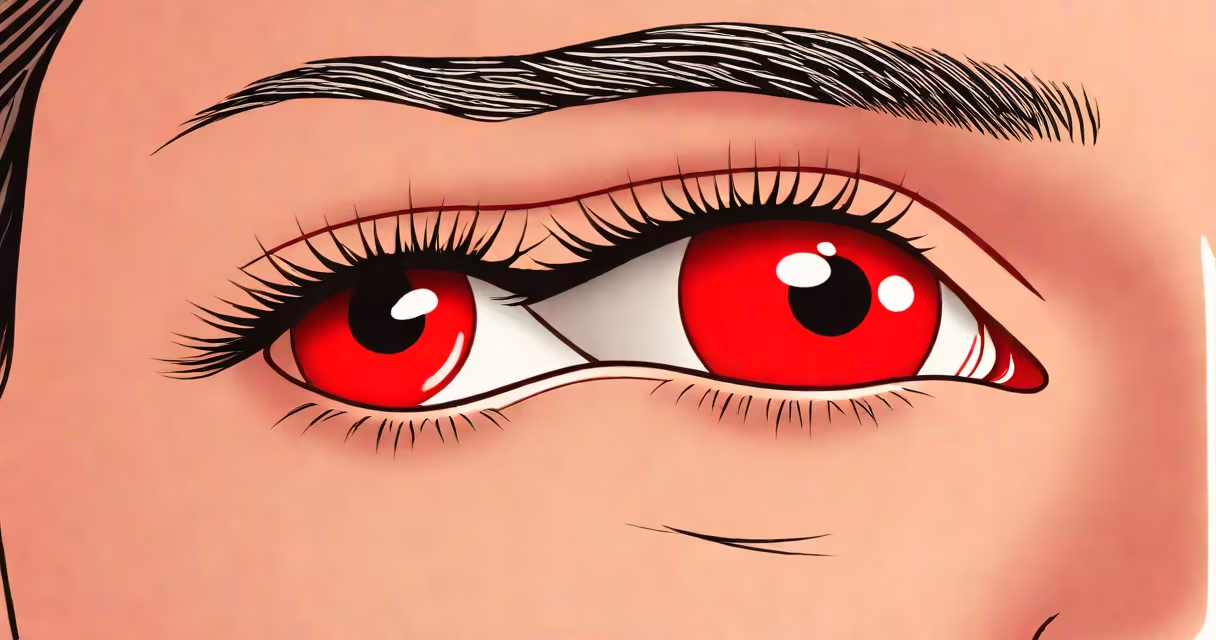
treatment for itchy swollen eyelids focuses on reducing inflammation, relieving discomfort, and addressing the underlying cause-commonly allergies, infection, or irritation. Immediate relief often comes from cold compresses and avoiding known irritants, while medical treatment may include antihistamine or steroid eye drops depending on diagnosis.
Swelling and itching around the eyes typically stem from immune reactions or bacterial imbalances. Allergic conjunctivitis causes both symptoms due to histamine release from mast cells in response to pollen, dust mites, or pet dander. Blepharitis, an inflammation of the eyelid margins, results from blocked oil glands and bacterial overgrowth, leading to crusting, redness, and persistent itchiness. Contact dermatitis from cosmetics or skincare products can also trigger acute swelling and burning.
For mild cases, non-medicated relief methods provide immediate comfort. Applying a clean, cool compress for 10-15 minutes several times daily reduces puffiness and calms nerve irritation. Over-the-counter artificial tears help flush out allergens and soothe dryness. Avoiding rubbing prevents further trauma to delicate skin and reduces risk of secondary infection. A 2021 study in *Ophthalmology* found that cold therapy reduced ocular surface temperature by 1.8°C within five minutes, lowering perceived itch intensity.
Identifying the root cause guides effective treatment. Allergic reactions often affect both eyes symmetrically, accompanied by watery discharge and sneezing. In contrast, infectious causes like styes (hordeolum) usually affect one lid, presenting with a painful, pus-filled lump near the lash line. Blepharitis tends to recur, especially in people with rosacea or seborrheic dermatitis, and features flaky skin at the base of the eyelashes.
Non-allergic causes include dry eye syndrome, which leads to irritation and reflex tearing that worsens swelling. Environmental factors like smoke, wind, or low humidity can exacerbate symptoms. A 2022 review in *The Journal of Clinical and Aesthetic Dermatology* noted that 68% of patients with chronic eyelid itch had concurrent dry eye disease, underscoring the need for combined management.
| Condition | Key Symptoms | Typical Treatment |
|---|---|---|
| Allergic conjunctivitis | Bilateral swelling, clear discharge, intense itch | Antihistamine eye drops, cold compresses |
| Blepharitis | Crusting, greasy flakes, chronic redness | Warm compresses, lid scrubs, topical antibiotics |
| Contact dermatitis | Localized swelling, burning, blistering | Discontinue offending product, steroid ointment |
A common mistake is assuming all eyelid itchiness stems from allergies. While antihistamines work well for allergic flare-ups, they do nothing for bacterial or fungal conditions. Misuse can delay proper care and worsen outcomes. For example, applying steroid drops to a fungal infection increases risk of corneal ulceration.
Topical corticosteroids like prednisolone acetate 1% are prescribed for severe inflammation but only under ophthalmologist supervision due to risks of elevated intraocular pressure and cataract formation. Short-term use (3-5 days) is standard for acute allergic episodes. Antihistamine drops such as olopatadine 0.1% reduce itching and prevent mast cell degranulation.
For blepharitis, warm compresses applied for 5 minutes twice daily soften crusts and improve meibomian gland function. Daily lid hygiene using diluted baby shampoo or commercial lid wipes removes debris and reduces bacterial load. A 2019 clinical trial showed 72% of participants improved after four weeks of consistent lid scrubs.
Oral antihistamines like cetirizine 10 mg daily may help if systemic allergy contributes to ocular symptoms. However, sedating versions like diphenhydramine should be avoided in older adults due to fall risk. Non-sedating options are preferred for daytime use.
Seek evaluation if swelling persists beyond 48 hours, spreads to surrounding facial areas, or is accompanied by vision changes, pain, or fever. These signs suggest possible orbital cellulitis-a serious infection requiring antibiotics and imaging. A 2020 report in *JAMA Ophthalmology* documented that delayed treatment in orbital cellulitis led to vision loss in 14% of cases.
Redness and swelling that worsen after starting treatment may indicate steroid-induced glaucoma or medication intolerance. Discontinuing the drug and consulting a specialist is essential. Chronic cases unresponsive to basic care often require allergy testing or referral to a dermatologist or oculoplastic surgeon.
During a visit, doctors may perform slit-lamp exams to assess the cornea and conjunctiva, swab lesions for culture, or order blood tests if systemic illness is suspected. A biopsy is rare but may be needed if skin cancer is a concern.
I once treated a patient with recurring itchy swollen eyelids who attributed symptoms to seasonal allergies. After two weeks of antihistamines with no improvement, we discovered she was using a new facial cleanser containing sodium lauryl sulfate. Removing the product resolved symptoms within 72 hours. This case highlights that irritants aren't always environmental-they can be personal care products.
For someone experiencing sudden bilateral eyelid swelling after eating shellfish, epinephrine auto-injectors should be available. Anaphylaxis involving the face requires emergency care. Always carry a medical alert card if you have known food or medication sensitivities.
Prevention includes using fragrance-free skincare, washing hands before touching eyes, and replacing makeup every three months. People with eczema or psoriasis should avoid eye-area products with alcohol or preservatives.
Effective treatment for itchy swollen eyelids begins with recognizing the pattern-timing, symmetry, and associated symptoms. Early intervention prevents complications and restores comfort quickly.