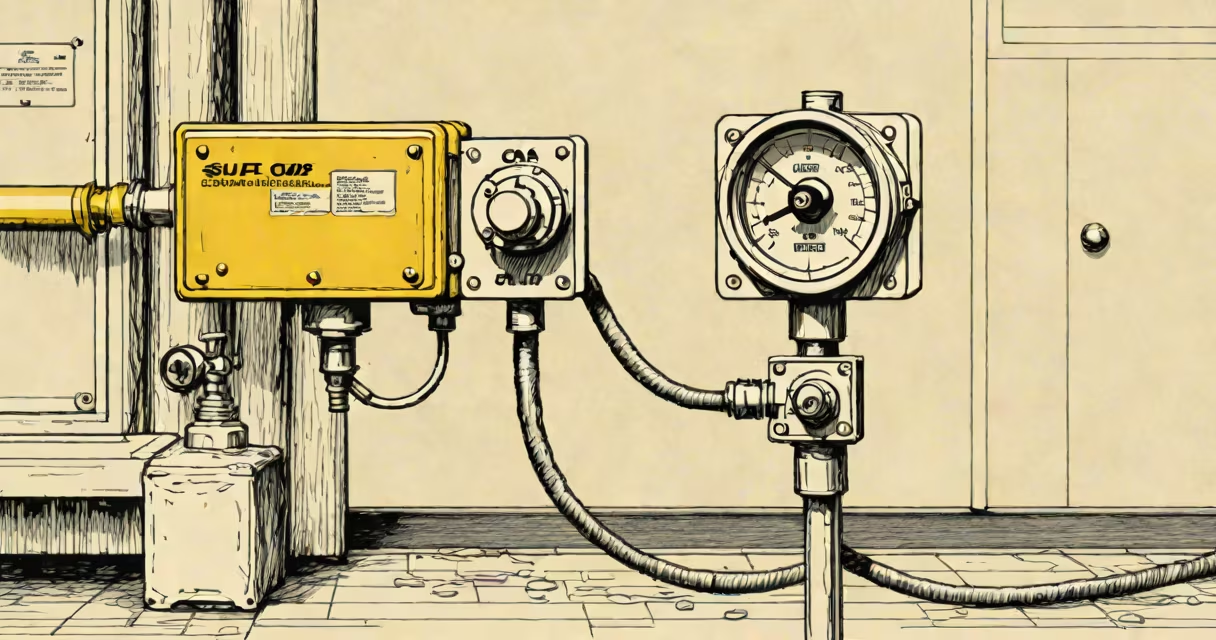
Sulfur smelling gas is typically caused by hydrogen sulfide (H₂S), a colorless, flammable gas produced when sulfate-reducing bacteria break down organic matter in oxygen-free environments such as water heaters, sewers, or septic tanks. Exposure to high levels can be dangerous, requiring immediate ventilation and professional inspection.
Hydrogen sulfide forms when sulfate - a compound found in groundwater - is metabolized by anaerobic bacteria. These microbes thrive in warm, stagnant water, especially in water heaters set above 120°F (49°C). The result? A distinct rotten egg smell that may appear intermittently or persistently from taps, drains, or vents.
The Environmental Protection Agency (EPA) notes that while low levels of H₂S are generally not harmful to health, concentrations above 10 parts per million (ppm) can cause nausea, eye irritation, and respiratory discomfort. Levels exceeding 100 ppm pose acute toxicity risks, particularly in enclosed spaces.
Water heaters are the most frequent source of sulfur-smelling gas in homes. When water sits too long in the tank, especially with a magnesium anode rod, bacterial activity increases. Anode rods corrode over time, releasing electrons that feed sulfate-reducing bacteria. This process produces H₂S gas that rises into the hot water supply.
Plumbing systems also contribute. Sewer gases escape through dry P-traps in infrequently used drains. When sinks, showers, or toilets aren't used regularly, the water seal evaporates, allowing sewer gases - including hydrogen sulfide - to enter living areas. This explains why the smell often worsens after days without use.
Septic systems located near wells or drainage lines can leach H₂S into groundwater. The U.S. Geological Survey reports that rural homes relying on private wells are at higher risk. In one study, 18% of sampled private wells in New England showed detectable H₂S levels, with 3% exceeding 1 ppm.
| Source | Typical H₂S Level (ppm) | Common Indicators |
|---|---|---|
| Water heater | 0.1 - 5.0 | Smell only in hot water; disappears when cold tap is used |
| Dry drain trap | 0.5 - 10.0 | Odor appears after infrequent use; strongest near floor drains |
| Private well | 0.1 - 15.0 | Consistent smell in both hot and cold water; may affect multiple fixtures |
| Septic system | 1.0 - 20.0+ | Smell near basement drains or yard access points; worsens during rain |
Many people assume sulfur-smelling gas is natural or harmless. But H₂S is not the same as methane or carbon monoxide - though all three can be present in household gas systems. Unlike methane, which is odorless and requires added mercaptan for detection, H₂S has a strong, recognizable smell at very low concentrations (as low as 0.5 ppm).
However, the human nose becomes desensitized to H₂S after prolonged exposure. A 2018 study published in *Environmental Health Perspectives* found that participants exposed to 1 ppm H₂S for 30 minutes lost sensitivity to the odor within 10 minutes. This creates a false sense of safety - the gas remains present even when the smell vanishes.
Another common mistake is attributing the smell solely to the water heater. While heating water increases H₂S release, the root cause may lie in the plumbing system or well water. Testing only the hot water line misses the underlying issue in cold water or drains.
In 2021, a family in northern Michigan reported a persistent rotten egg smell in their kitchen sink and bathroom. The odor appeared only after using the shower and lasted for 15 minutes. They called a plumber who checked the water heater and found no leaks. The smell returned after the plumber left.
A follow-up test revealed that the P-trap under the bathroom sink had dried out due to infrequent use. The homeowner had not used the bathroom for three weeks while away on vacation. Once the trap was refilled with water, the odor disappeared. The initial assumption that the water heater was responsible led to unnecessary repair costs.
This case illustrates how misdiagnosis leads to wasted effort. The EPA warns that confusing H₂S with other gases can delay proper mitigation. Always test both hot and cold water, inspect traps, and consider well water quality if the smell persists across all fixtures.
If you detect sulfur-smelling gas, turn off all gas appliances and open windows immediately. Avoid using flames, switches, or electronics that could spark. High concentrations of H₂S can ignite or displace oxygen, creating a fire or suffocation hazard.
For recurring issues, contact a licensed plumber or water treatment specialist. If the smell comes from a well, testing the water for sulfate and iron content is essential. Treatment options include chlorination, activated carbon filters, or replacing the anode rod in the water heater with an aluminum or zinc alternative.
Some homeowners attempt DIY fixes like flushing the water heater with vinegar. While this removes scale, it doesn't eliminate bacterial growth. Vinegar can even increase acidity, accelerating corrosion and worsening H₂S production. The CDC advises against untrained interventions that alter water chemistry without testing.
Remember: hydrogen sulfide is not just unpleasant - it's a warning sign. Ignoring it risks health, property damage, and potential fire. Addressing the source promptly prevents escalation.